

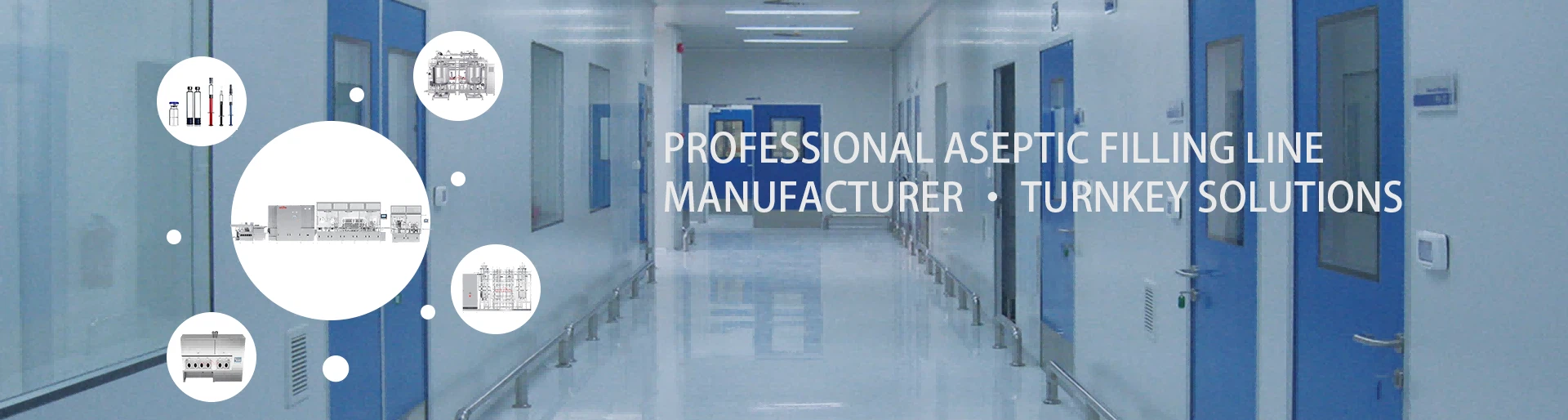
Clean Room Equipment
Shanghai Marya Pharmaceutical Engineering and Project Co., Ltd. founded in 2014 in Shanghai, China, is a total solution provider specializing in engineering design, clean room engineering, pharmaceutical engineering, pharmaceutical equipment, project management and verification, and other technical services.
About Marya
Engineering design team with more than 20 years of experience
Engineering Design
Our experienced engineering team with more than 20 years experience in cleanroom design and construction can ensure that process and materials for your plant is designed and manufactured in the most cost-effective manner with reliablequality to fulfil GMP/FDA/ISO/SGS requirement.
01
Procurement
Maryas’ 3 manufacturing plants for cleanroom projects are all under strict quality management systems certified to ISO9001 with a focus on continuous quality improvement.
02
Construction
Experienced, professional, high-efficiency and strictly stick to the schedule, our installation engineers and workers team have successfully installed more than 300 projects in 51 countries with high customer satisfaction.
03
Service
The R&D and design personnel are composed of experienced senior engineers and technicians Using advanced production and testing equipment with high accuracy.
04
Quality Control
Adhere to the philosophy of “customer-centric”, Marya creates the ultimate service experience with the heart of the craftsman! We are always on the way to create more value for customers.
05
-
![HEPA Filter]() HEPA FilterThe high efficiency particulate air (HEPA) filter is mainly used to capture dust particles and various suspended matters above 0.5μm. The air purifier is mainly composed of a filter element and a...read more
HEPA FilterThe high efficiency particulate air (HEPA) filter is mainly used to capture dust particles and various suspended matters above 0.5μm. The air purifier is mainly composed of a filter element and a...read more -
![Clean Room Air Shower]() Clean Room Air ShowerAn air shower is designed to function as a sort of gateway controller between your cleanroom and the rest of the world.read more
Clean Room Air ShowerAn air shower is designed to function as a sort of gateway controller between your cleanroom and the rest of the world.read more -
![Clean Bench]() Clean BenchA clean bench is an enclosed laboratory bench that is designed to prevent pollution and contamination by controlling and keeping the air cleanliness level at a certain point. It is a type of...read more
Clean BenchA clean bench is an enclosed laboratory bench that is designed to prevent pollution and contamination by controlling and keeping the air cleanliness level at a certain point. It is a type of...read more -
![Cleanroom Biosafety Cabinet]() Cleanroom Biosafety CabinetThe biological safety cabinet is one type of biocontainment equipment used to provide safety protection for operators through the formation of directional airflows (inflow and downward airflow)....read more
Cleanroom Biosafety CabinetThe biological safety cabinet is one type of biocontainment equipment used to provide safety protection for operators through the formation of directional airflows (inflow and downward airflow)....read more -
![Glove Leak Detector]() Glove Leak DetectorThe glove leak detector is a specialized instrument used to test the integrity of oversleeve or gloves of isolator or RABS system or one-piece gloves. The test plate and frame are made of...read more
Glove Leak DetectorThe glove leak detector is a specialized instrument used to test the integrity of oversleeve or gloves of isolator or RABS system or one-piece gloves. The test plate and frame are made of...read more -
![VHP Passbox]() VHP PassboxVHP Pass box is used for automatic sterilization during transfer, with energy saving and high efficiency as its core. It integrates microbe control and cross-contamination prevention throughout...read more
VHP PassboxVHP Pass box is used for automatic sterilization during transfer, with energy saving and high efficiency as its core. It integrates microbe control and cross-contamination prevention throughout...read more -
![Biosafety Cabinet]() Biosafety CabinetThe biological safety cabinet is a negative pressure filter exhaust cabinet designed to provide protection for the operator, laboratory environment, and experimental materials (such as primary...read more
Biosafety CabinetThe biological safety cabinet is a negative pressure filter exhaust cabinet designed to provide protection for the operator, laboratory environment, and experimental materials (such as primary...read more -
![Clean Bench]() Clean BenchThe clean bench is a box-type air purification facility that can not only provide a local dust-free clean、operating environment with a cleanliness class of 100 (ISO Class 5) [1], but also enable...read more
Clean BenchThe clean bench is a box-type air purification facility that can not only provide a local dust-free clean、operating environment with a cleanliness class of 100 (ISO Class 5) [1], but also enable...read more -
![Clean Room Washing Sink]() Clean Room Washing SinkThe stainless steel clean room washing sink is widely used in operating rooms, aseptic rooms, laboratories and other places with high sanitary requirements.read more
Clean Room Washing SinkThe stainless steel clean room washing sink is widely used in operating rooms, aseptic rooms, laboratories and other places with high sanitary requirements.read more -
![Clean Room Pass Box]() Clean Room Pass BoxAs an auxiliary equipment of clean room, the clean room pass box is mainly used for the transfer of small items between clean area and clean area, non-clean area and clean arearead more
Clean Room Pass BoxAs an auxiliary equipment of clean room, the clean room pass box is mainly used for the transfer of small items between clean area and clean area, non-clean area and clean arearead more -
![VHP Pass Box]() VHP Pass BoxVHP pass box is mainly used for biological decontamination of the outer surface of the material to avoid the material from the no-level area or low-level area into the high-level area to bring in...read more
VHP Pass BoxVHP pass box is mainly used for biological decontamination of the outer surface of the material to avoid the material from the no-level area or low-level area into the high-level area to bring in...read more -
![Clean Room Air Shower]() Clean Room Air ShowerDefinition of clean room air shower: It is a kind of local purification equipment with strong versatility in which people or goods enter the clean area by the fan through the air shower nozzle...read more
Clean Room Air ShowerDefinition of clean room air shower: It is a kind of local purification equipment with strong versatility in which people or goods enter the clean area by the fan through the air shower nozzle...read more


The effectiveness of a cleanroom is dependent on the types of equipment used to complete assemblies, testing, and research. As with all of the materials used in a cleanroom, clean room equipment must meet the rigorous standards for cleanrooms to maintain its ISO classification. Cleanrooms require the highest degree of sanitization; these high standards apply to every item that enters the room, from a pad of paper to large, hooded air circulation systems. Much like any work environment, cleanrooms have necessary work materials. The uniqueness of clean room equipment is its extraordinary cleanliness.
Advantages of Clean Room Equipment You Want to Know
Using the right cleanroom equipment is essential for any cleanroom operation. Not only does it help maintain a sterile environment, but it also provides many other benefits. These include
Increased Productivity
Using cleanroom equipment allows personnel to work more efficiently and effectively, resulting in increased productivity.
Improved Quality
Using the right cleanroom equipment helps to improve product quality, as it reduces the risk of contamination and ensures that processes are performed correctly.
Cost Savings
Using cleanroom equipment can help save money in the long run, reducing the need for costly repairs and replacements due to contamination or other issues.
Compliance
Using the right cleanroom equipment helps to ensure compliance with industry standards and regulations, which is essential for any cleanroom operation.
Types of Clean Room Equipment
A cleanroom air shower serves as a gateway control between the outside environment and the uncontaminated cleanroom enclosure. It is installed as part of the entryway as a means of reducing the introduction of contaminant matter. Though all cleanroom personnel are required to wear proper apparel, there is still the potential of the introduction of lint, small fragments, or debris into the cleanroom. The air shower removes such potentially hazardous elements. The cleanroom air shower is a self-contained chamber that has high velocity air flow and low pressure. When a person enters through one of the dual locking doors, a high velocity fan blows air over them. The air entering the chamber is HEPA filtered and air washes the occupant of particulate matter that moves to the low pressure side of the chamber.
Laboratory ovens have a uniform construction consisting of an enclosed insulated space with a heating element. There are a wide variety of designs with specialized types for thermal processing and types for curing and testing. Laboratory ovens are divided according to their heating method. The types of lab ovens include forced air, gravity convection, and mechanical. Of the three types, mechanical ovens are most commonly used. Forced air ovens use mounted blowers that circulate high velocity air. The blowers protect batches and enhance heat transmission. Gravity ovens do not have circulation fans or blowers. They pass heat through convection. Mechanical ovens have blowers or fans and have better temperature uniformity.
Cleanroom door swings can be single or double and are designed to maintain the particle free sterile environment. They provide exceptional security, provide protection against contamination, and are the first line of defense for the cleanroom's integrity. As every other component of a cleanroom, door swings are required to meet a set of cleanliness specifications. More and more cleanrooms are beginning to use automatic door swings that allow for greater control of the door, such as the speed at which the door opens and closes as well as obstruction sensing devices. Depending on the ISO classification of the cleanroom, it may have a double swing door entry with a pass thru.
Specialty filters used in lab or cleanroom environments ro remove particles or fumes. Filter types include: prefilters, HEPA, ULPA, acid gas, activated charcoal, ammonia gas, formaldehyde, mercury and radioactive iodine.
A nitrogen generator performs a process called pressure swing adsorption and membrane technology, which is the extraction of nitrogen from the air followed by its compression. It provides a pure flow of nitrogen without the need for canisters. Nitrogen generators provide 99% pure nitrogen at medical grade levels to desiccator cabinets, gloveboxes, and vacuum chambers, to name a few applications.
A desiccator is a laboratory instrument. It is a round closed container made of exceptionally durable glass used for storage of items that require a moisture free environment. At the bottom of the desiccator is a perforated plate that is located above the drying agent, which can be anhydrous calcium chloride, calcium sulphate, or silica. The four types of desiccators are standard, vacuum, automatic, and gas purge. Standard models are used as desiccator cartridges and are economical. Vacuum types use a pump to remove moisture. Automatic models operate continuously using a fan and heater. Gas purge models use nitrogen and argon as atmospheric drying agents.
The purpose of a vacuum chamber is to create a pressure and air free environment for the purpose of testing components. It is a rigid and well controlled environment that comes in several different configurations to meet the needs for testing specific materials. Vacuum chambers can be used for batch testing and processing applications that necessitate a sustained and precision regulated level of vacuum. Depending on the testing needs, vacuum chambers can be made of acrylic, aluminum, or stainless steel. The materials of the chamber determine the level of testing it can perform.
Another specialized fume hood form is a biosafety cabinet, which is a specially designed enclosure for the handling of contaminated materials or pathogens that necessitate observation in a defined biologically safe space. Biosafety cabinets use vertical laminar air flow in order to form a barrier against contaminants. There are three classes of biosafety cabinets, Classes I,II, and III, with class three being the most stringent and capable of handling highly contagious microbiological agents.
A specialized type of fume hood is a laminar flow hood that separates the air flow into layers to cleanse it of contaminants. Much like other fume hoods, a laminar flow hood is an enclosed work space with the added feature of protecting samples from airborne contaminants to create a dust free environment to minimize contaminants. A laminar flow hood has a filter pad, fan, and HEPA filter. The fan pulls the ambient air into the HEPA filtration system from which it is passed to the work space. The two types of laminar flow hoods are horizontal and vertical air flow systems with the horizontal flow system having a back to front flow and the vertical system having a downward flow.
Vertical air flow laminar hoods direct the flow downward and reinforces the effects of gravity by sweeping particles down and out of the enclosure. They are used when floor space is at a premium and eliminate contaminants from floating around inside the enclosure.
With a horizontal laminar flow hood, air flows through a HEPA filter and is forced across the work surface from back to front. They have a deeper style to make room for the rear mounted filter and fan unit and require additional clearance.
Fume hoods, known as fume chambers and cupboards, are venting systems that capture and contain toxic fumes, particulate matter, and vapors. There are several types of fume hoods, including PVC ducted, carbon filter recirculating, laminar air flow, biosafety cabinets, clean benches, and snorkel exhausts. The primary functions of fume hoods are to protect the user, the product, and the environment. The use of cleanroom fume hoods is essential in cleanroom environments where noxious chemicals and hazardous materials are tested and researched.
Tips for Choosing the Right Clean Room Equipment
When choosing the right cleanroom equipment, there are a few things to keep in mind. Here are some tips for selecting the right cleanroom equipment for your needs
Research
Do your research and find out what types of cleanroom equipment are available and which ones are best suited for your particular cleanroom.
Quality
Make sure to choose cleanroom equipment that is of high quality and designed to meet the requirements of your cleanroom.
Certification
Look for cleanroom equipment certified by an independent organization, as this will ensure that it meets industry standards and regulations.
Budget
Make sure to factor in your budget when choosing cleanroom equipment, as many different price points are available.
Clean Room Equipment Maintenance
Clean room equipment plays a crucial role in maintaining controlled environments for various industries such as semiconductor manufacturing, pharmaceuticals, and healthcare. Proper maintenance is essential to ensure the equipment functions effectively and complies with the required cleanliness standards. Here are key steps for maintaining clean room equipment
Regular Inspections
Conduct routine visual inspections to identify any signs of wear, damage, or contamination. Check for loose or damaged components and ensure proper alignment.
Cleaning Procedures
Follow manufacturer guidelines for cleaning procedures. Use recommended cleaning agents and methods to avoid introducing contaminants. Establish a regular cleaning schedule to prevent particle build-up.
Calibration
Schedule regular calibration of sensors and monitoring devices. Ensure that instruments measuring temperature, humidity, and particle counts are accurate. Keep calibration records for auditing purposes.
Filter Replacement
Regularly replace filters according to the specified schedule. Verify that replacement filters meet the required cleanliness standards. Document filter replacement dates for reference.
HVAC System Maintenance
Maintain the heating, ventilation, and air conditioning (HVAC) systems to ensure proper air circulation. Clean ducts, coils, and vents regularly to prevent the spread of contaminants. Monitor and adjust airflow as needed.
Seal Integrity
Inspect seals and gaskets regularly to ensure a tight seal on doors and access points. Replace damaged seals promptly to prevent air leaks and contamination.
Certifications
Shanghai Marya has received the CE, HTT, Quality Management System, and SGS certificates.


Our Factory
We have three manufacturing bases, covering a total area of about 30000 square meters, including the production of main cleanroom materials and pharmaceutical equipment.


Video Display
Ultimate FAQ Guide to Clean Room Equipment
Q: How to care for clean room equipment?
Q: What is a fume hood in the context of clean rooms?
Q: What are ISO standards for clean rooms?
Q: How are clean room equipment and supplies stored?
Q: What is a clean room airlock?
Q: How do clean rooms control humidity?
Q: How do clean rooms handle waste disposal?
Q: What is the role of clean room monitoring systems?
Q: How do clean rooms work?
Q: What is a HEPA filter?
Q: What is a laminar flow hood?
Q: What is an air shower?
Q: How are clean rooms classified?
Q: How do clean room gloves differ from regular gloves?
Q: What is a pass-through chamber?
Q: How are clean room equipment and tools sterilized?
Q: What is a clean bench?
Q: How often should clean room equipment be inspected and maintained?
Q: What are the types of cleanroom filters?
Q: What are the types of laminar flow clean bench?
We're well-known as one of the leading clean room equipment manufacturers and suppliers in China. Please feel free to buy high quality clean room equipment made in China here from our factory. For more information, contact us now.
VHP Generator, Cleanroom System, Stability Test Chamber