

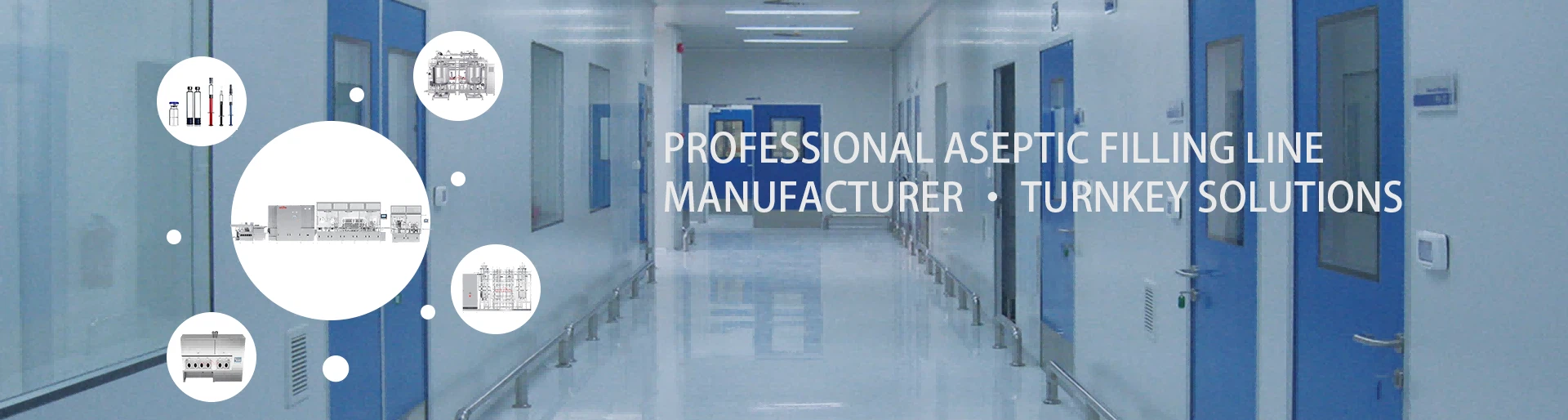
Clean Room Project
A clean room is a room in which airborne particulates, contaminants, and pollutants are kept within strict limits. For example, in the electronics industry, clean rooms are used in the manufacturing of printed circuit boards, integrated circuits and PC hard drives. The purpose of the cleanroom is to control an environment by limiting the presence of micron and submicron particles and controlling environmental conditions such as temperature and humidity. The level to which the environment/particle count/air changes per hour is controlled and thus determines the cleanroom classification.
Advantages of Clean Room
Rapid Construction and Installation
A modular cleanroom is pre-engineered and designed for quick assembly. Unlike traditional cleanrooms, which can take months to build, these cleanrooms can be up and running in a fraction of the time. This speedy setup can lead to significant cost savings, as it minimizes downtime and allows for faster project completion.
Cost-Effective
Modular cleanrooms are often more cost-effective than constructing traditional cleanrooms from scratch. Their standardized design and efficient manufacturing processes result in reduced material and labor costs. Additionally, they can be easily reconfigured or expanded, providing long-term flexibility and cost savings.
Flexibility & Scalability
Modular cleanrooms are highly adaptable to changing needs. Whether you need to expand your cleanroom space or reconfigure it to accommodate new equipment or processes, modular cleanrooms can be adjusted accordingly. This scalability ensures that your facility can evolve with your business.
Reduced Environmental Impact
Modular cleanrooms are eco-friendly options. Their prefabricated nature results in less material waste during construction. Additionally, they can be dismantled and relocated, reducing the environmental impact associated with traditional construction and demolition.
-
![Cleanroom Project]() Cleanroom ProjectThe main function of a cleanroom is to control the cleanliness, temperature and humidity of the atmosphere to which the products are exposed, so that the products can be produced and manufactured...read more
Cleanroom ProjectThe main function of a cleanroom is to control the cleanliness, temperature and humidity of the atmosphere to which the products are exposed, so that the products can be produced and manufactured...read more -
![Pharma Cleanroom]() Pharma CleanroomMarya is a leading manufacturer and supplier of cleanroom systems, offering comprehensive services such as consulting, design, and construction of cleanrooms. The company specializes in the R&D,...read more
Pharma CleanroomMarya is a leading manufacturer and supplier of cleanroom systems, offering comprehensive services such as consulting, design, and construction of cleanrooms. The company specializes in the R&D,...read more -
![Microelectronics Cleanroom]() Microelectronics CleanroomMicroelectronics cleanroom is a special production environment to ensure product quality and efficiency in microelectronics industry. For this project there are many factors considered such as air...read more
Microelectronics CleanroomMicroelectronics cleanroom is a special production environment to ensure product quality and efficiency in microelectronics industry. For this project there are many factors considered such as air...read more -
![The Pharmaceutical Cleanroom]() The Pharmaceutical CleanroomThe pharmaceutical cleanroom project is a professional design and construction process that provides a clean production environment for pharmaceutical companies. These workshops are often used for...read more
The Pharmaceutical CleanroomThe pharmaceutical cleanroom project is a professional design and construction process that provides a clean production environment for pharmaceutical companies. These workshops are often used for...read more -
![HVAC Cleanroom]() HVAC Cleanroomwho is Marya Shanghai Marya is a pharmaceutical engineering solution provider specializing in pharmaceutical machinery, engineering design, cleanroom projects, project management, and validation....read more
HVAC Cleanroomwho is Marya Shanghai Marya is a pharmaceutical engineering solution provider specializing in pharmaceutical machinery, engineering design, cleanroom projects, project management, and validation....read more -
![Clean Operating Room]() Clean Operating RoomIn recent years, with the rapid development of medical diagnosis and treatment technology, medical institutions' hardware and software environment has been greatly improved. The clean operating...read more
Clean Operating RoomIn recent years, with the rapid development of medical diagnosis and treatment technology, medical institutions' hardware and software environment has been greatly improved. The clean operating...read more -
![Food Processing Cleanroom]() Food Processing CleanroomIn recent years, more and more food factories have begun to consider building clean workshops in areas such as inner packaging. Building clean workshops can effectively reduce microbial...read more
Food Processing CleanroomIn recent years, more and more food factories have begun to consider building clean workshops in areas such as inner packaging. Building clean workshops can effectively reduce microbial...read more -
![Cosmetic Cleanroom]() Cosmetic CleanroomA cleanroom in the cosmetics industry is one of the necessary measures to ensure the hygiene, safety and quality of the cosmetics production process. The cosmetics industry includes skin care,...read more
Cosmetic CleanroomA cleanroom in the cosmetics industry is one of the necessary measures to ensure the hygiene, safety and quality of the cosmetics production process. The cosmetics industry includes skin care,...read more


Production Equipment
We have strong technical force and excellent production equipment, including laser cutting machine, numerical control punching machine, numerical control bending machine, plate shearing machine, numerical control milling machine, automatic leveling machine, bending production line, automatic hollow glass window production line, automatic door plate strip sealing machine, automatic spraying production line and other processing equipment, as well as various precision testing instruments and equipments.
Product Market
Marya scope of business covers more than 60 countries and regions around the world, such as the United States, Russia, Bulgaria, Britain, Portugal, Poland, Switzerland, ltaly, New Zealand, Malta, Moldova, Malaysia, Uzbekistan, lran, Egypt, Saudi Arabia, UAE, Ecuador, Dominica, Panama, Uruguay, Argentina, Tanzania, Zimbabwe, Ethiopia, Indonesia, Bangladesh, and others, and we gained good reputation.
Rich Experience
Our experienced engineering team with more than 20 years experience in cleanroom design and construction can ensure that process and materials for your plant is designed and manufactured in the most cost-effective manner with reliablequality to fulfil GMP/FDA/ISO/SGS requirement
Our Service
Continuous technical and service support:No matter what products and services you buy from our company, no matter when your project is completed, we will continue to provide you with operation, maintenance, spare parts supply and factory upgrading consulting services. If necessary, our technicians can provide technical support and services to all Marya customers directly or remotely.
What Are the Different Types of Cleanrooms

Modular Cleanroom
A modular cleanroom is a cleanroom built using prefabricated modular components then assembled on-site. Modular cleanrooms can be manufactured and installed 50% faster than stick built conventional construction cleanrooms. Unlike conventional construction cleanrooms, modular cleanrooms are easily modified, expanded, or relocated.

Stick Built Cleanrooms
Stick built cleanrooms are built from scratch on site. All the different trades and materials result in a more time-consuming and dirty installation process.

Softwall Cleanrooms
Softwall cleanroom is a cleanroom created by hanging clear vinyl curtains on an aluminum frame to create walls. It can be mounted on casters to be easily relocated. Softwall cleanrooms can only be one pass.
7 Key Components of a Modular Cleanroom
Modular cleanroom wall panels: When it comes to quality cleanroom construction, your cleanroom is only as good as the environment you build. While cleanrooms rely on fan filter units and other heavy-duty filtration systems to keep them clean, your required level of cleanliness can only be achieved if your building is working to keep contaminants out. And that's where wall panels and modular wall systems come in.
Wall panels are the fundamental building blocks of modular cleanroom construction. As part of the larger modular wall system, wall panels combine with structural posts and a ceiling system to form the foundation for your cleanroom. Modular wall panels come in a variety of sizes and finishes and are designed to suit your cleanroom requirements exactly.
Post & panel cleanroom construction: Post & panel cleanroom construction relies on a series of wall panels, which are connected by heavy-duty, structural posts. These posts have a hollow interior and a removable cover where trades can install the necessary equipment and systems like wiring, communication, or even plumbing. This not only makes your installation process fast, but it helps to reduce inspection time and future maintenance needs. Professionals need only remove post covers to access internal components, saving hours of maintenance time and speeding along the inspection process.
Cleanroom filtration systems: Another essential component of cleanroom construction is the filtration system your cleanroom will require. Your industry and iso requirement will dictate a certain level of cleanliness, and for most cleanrooms, that means some combination of HEPA and ULPA filters, as well as a series of fan filter units to direct airflow throughout your modular cleanroom.
If your modular cleanroom's wall system creates a tight building envelope, then your filtration system is what keeps everything within that envelope clean.
Cleanroom windows: Windows are essential to the visibility and observability of work in any cleanroom, regardless of application. But, because of the strict cleanliness requirements of a cleanroom, traditional windows are insufficient. Cleanroom windows are instead manufactured to provide as much light and visibility as possible, while restricting the potential for air, particulate, or contaminants to either enter or escape the cleanroom. This means smooth lines, reduced surface areas for dust and particles to collect, and no ability to open windows.
Planning where your cleanroom windows go is just as important as ensuring you choose cleanroom-specific windows for your new facility. Again, work with your cleanroom design expert to develop a cleanroom construction plan that helps you get the most out of your new cleanroom space.
Cleanroom doors: Your cleanroom's doors are paramount to its ability to maintain a clean environment. Doors are one of the most common fail points for any cleanroom. Because they present ample opportunity to disrupt your carefully planned airflow pattern and allow contaminants in and out of your cleanroom.
While cleanroom doors can be made from a variety of materials, it's best to choose modular cleanroom door options that are easy to clean and wipe down, and that can be opened and closed in a way that minimizes disruption. For this reason, sliding doors are often preferable, though traditional and automatic doors are also very common.
Cleanroom ceiling: A cleanroom ceiling differs quite a bit from a traditional building. Not only does a cleanroom ceiling need to frame up your workspace, but it also has to support the heavy filtration units that make your cleanroom clean. What's more, many cleanrooms are built within existing facilities. This means a strong, stable, and freestanding ceiling grid is required to ensure you get exactly the space you need for your application.
Cleanroom accessories: While your walls and air filtration system form the foundation of your cleanroom, there are many more components that go into making it functional. From airlocks to air showers, gowning rooms, pass-through chambers, and more, all of these accessories add functionality to your modular cleanroom. Each also presents new potential fail-points to your cleanroom, which is why it's so important to work with a cleanroom expert when building your modular cleanroom.
Choosing the Right Materials for Cleanroom Construction
Material Selection
The materials used in cleanroom construction must exhibit properties such as low particle generation, resistance to chemicals, and ease of cleaning. Common choices include stainless steel, which is durable and easy to sanitize, and epoxy-coated materials, which provide a seamless, non-porous surface. A cleanroom builder and cleanroom installer must ensure that the materials are non-reactive to various cleaning agents and disinfectants commonly used in cleanroom environments. Considering the long-term maintenance and cost-effectiveness of these materials is crucial for sustainable cleanroom operation.
Wall and Ceiling Panels
For walls and ceilings, non-shedding materials that resist microbial growth are essential. Modular cleanroom panels made from materials like coated aluminum or high-pressure laminates are popular. They offer smooth surfaces that are easy to clean and maintain, preventing microbial contamination. Additionally, these panels are designed for quick installation and modification, which is beneficial for expanding or upgrading cleanroom facilities. A cleanroom engineer often recommends insulated metal panels for thermal control, contributing to maintaining a stable internal environment.
Flooring
Flooring must withstand rigorous cleaning and chemical exposure. Vinyl and epoxy flooring are preferred due to their durability and ability to form seamless surfaces, reducing the risk of particle accumulation. These materials are also resistant to impact and wear, ensuring longevity even under heavy traffic conditions. Anti-static properties in flooring materials can also be important in preventing electrostatic discharge, which is critical in electronics manufacturing cleanrooms.
HVAC and Filtration Systems
Materials for HVAC ducts and filtration systems should be corrosion-resistant and able to withstand regular sterilization. Stainless steel and coated metals are ideal for maintaining air purity and preventing contamination. The design of HVAC systems should include HEPA or ULPA filters to capture airborne particles effectively. A cleanroom installer must also consider the placement and accessibility of these systems for maintenance purposes, ensuring they remain functional and efficient in maintaining the cleanroom's air quality. Electrical engineering plays a crucial role in the proper installation and functioning of these systems.
Doors and Windows
Specialized cleanroom doors and windows should feature airtight seals and be constructed from materials that do not outgas or release particles. Tempered glass and stainless steel frames are commonly used. Automatic doors can help maintain the cleanroom environment by reducing manual contact, thus minimizing the risk of contamination.
Selecting the right materials for cleanroom construction involves careful consideration of durability, cleanability, and compatibility with regulatory standards. By prioritizing these factors and working closely with a cleanroom builder, cleanroom installer, and cleanroom engineer, you can ensure the longevity and efficacy of your cleanroom. Proper cleanroom design and the integration of electrical engineering solutions are essential in safeguarding your sensitive operations from contamination.
Modular cleanrooms are very flexible. The modular customer can choose from a broad selection of modular panel wall surfaces including vinyl, melamine, FRP, painted aluminum, and stainless steel. Modular wall core options include honeycomb, aluminum honeycomb, polystyrene core with gypsum sandwich, and polyiso-urethane foam. Key considerations for customer choice include cost, chemical resistance, static dissipative characteristics, fire resistance, sound insulating, heat-insulating, and moisture resistance. Floor-to-ceiling windows are also an option with modular cleanrooms.
The standard construction cleanroom wall is often epoxy-painted gypsum board on steel studs. Other standard construction options include lining the gypsum board walls with FRP or aluminum sheets.
The modular wall system uses anodized aluminum base channel, connecting posts, cap channel, and corner posts. These components form the structural backbone of the modular cleanroom. The connecting post typically includes internal electrical raceways for electrical wiring and mounting of electrical switches, convenience outlets, and data ports. The anodized aluminum provides good chemical resistance for weekly or daily cleanroom wipe-downs.
Modular cleanrooms utilize a negative pressure plenum to circulate air to the HEPA fan filter units which remove contamination from the cleanroom. The roof deck, which forms the top of the plenum, is a structural element to hang the cleanroom ceiling grid, cleanroom lights, and HEPA fan filter units. In many cases, the AC system is placed on the roof deck (top of the cleanroom).
Standard-built cleanrooms most commonly use ducted HEPA fan filter units instead of a negative pressure plenum. This approach requires periodic balancing and grows very expensive if the cleanroom has a large number of HEPA fan filter units.
Modular cleanroom installation is quick and clean as all components are precut to size at the factory. There is no cutting or painting on the jobsite. This is important as often the modular cleanroom is going into an active factory environment and customers want to minimize the disruption of on going production.
Other benefits of modular cleanrooms are future expansion or modification are easier as the cleanroom modular walls can be quickly disassembled and re-installed in different or larger configuration. Also, in the United States modular cleanrooms are often classified as equipment enclosures to qualify for better tax treatment.
Adoption of modular cleanrooms has gradually ramped up at a slow but steady pace. The pace was limited by several factors. Most architects do not receive significant education on modular construction and do not utilize it on a regular basis, so architect driven designs tended to be standard construction.
Standard construction cleanrooms are still quite common. Especially for lower class cleanrooms where cost is the primary driver or when speed of installation is not a critical driver.
Areas of Application of Clean Rooms
Today clean rooms are an integral part of the complex of medical premises of various specializations. The use of clean rooms with high quality air purification from microorganisms guarantees the prevention of nosocomial infections and postoperative complications, ensures the quality of the analyzes carried out in laboratories of various profiles. Operating and intensive care units, intensive care units, specialized hospital wards (allergology, hematology oncology), childbirth units, pcr laboratories, cell therapy laboratories, diploid cells, stem cells are currently being designed and built as complexes of clean rooms.
In the production of medicines, a number of major polluting factors should be excluded: Biological microorganisms, aerosol particles, chemical pollution. The pharmaceutical industry uses clean room systems that include rooms of different cleanliness classes for different stages of the manufacturing process. Multilevel cleanroom control systems for pharmaceutical purposes must consistently maintain and control such critical air parameters as cleanliness, temperature, pressure, exchange rates, airflow rates at critical points, and effectively manage these parameters at all stages of the production cycle.
Microelectronics requires the creation of clean rooms of the highest cleanliness classes. The cleanliness requirements in this industry are very stringent. The use of clean rooms in microelectronics has its own characteristics: The requirements for the cleanliness of the air in terms of aerosol particles come to the fore. The specificity of clean rooms for the needs of microelectronics is the device of perforated raised floors to improve the unidirectional air flow. Increased requirements are also imposed on the cleanroom grounding system, especially in terms of ensuring the absence of static electricity.
At enterprises engaged in the production of optical and laser technology, the requirements for the condition of production facilities are especially stringent. The production of lasers implies an absolutely clean room with ideally prepared air. Otherwise, the beam will burn dust and debris particles leaving traces. As a result, the risk of microscopic cracks and subsequent product failure increases. When the laser beam passes through, the air environment must be free from any micro-contamination, since obstacles change the energy characteristics, which directly affects the accuracy of the equipment. Companies in the optical fiber industry use ultra-pure silicon materials. Dust, dirt, tiny particles falling on the surface of raw materials can lead to the failure of the entire batch of goods. In clean rooms, parameters are monitored at each stage of manufacturing fiber optic products.
Ensuring cleanliness in food production is becoming an increasingly important link in this technological chain to eliminate the risk of microbiological contamination. The main method of penetration of microbes into food is aerobic, therefore creating a clean air environment is the most important function of a cleanroom during their production. Clean rooms with a properly constructed filtration system and sterile air supply allow ensuring the safety of the technology for the production of certain food products - cold processing of meat and fish, baked goods, production of cheeses, various fermented milk products, as well as their packaging and canning. This ensures the safety and long shelf life of products and guarantees their quality.
Nowadays, more and more companies producing body care products, decorative and medical cosmetics are introducing "clean" technologies and using "clean" rooms for the production of cosmetics. When used, cosmetics and perfumes are in direct contact with the human body. Their contamination with various contaminants can cause diseases and allergic reactions. When developing clean rooms for the needs of the production of perfumery and cosmetics, the peculiarities of the technological process must be taken into account and the required level of cleanliness must be ensured. The use of premises with certified cleanliness standards ensures the possibility of bringing products to a wide international market.
FAQ
We're well-known as one of the leading clean room project manufacturers and suppliers in China. Please feel free to buy high quality clean room project made in China here from our factory. For more information, contact us now.
cleanroom performance optimization kit, cleanroom head cover, cleanroom turnkey solution