

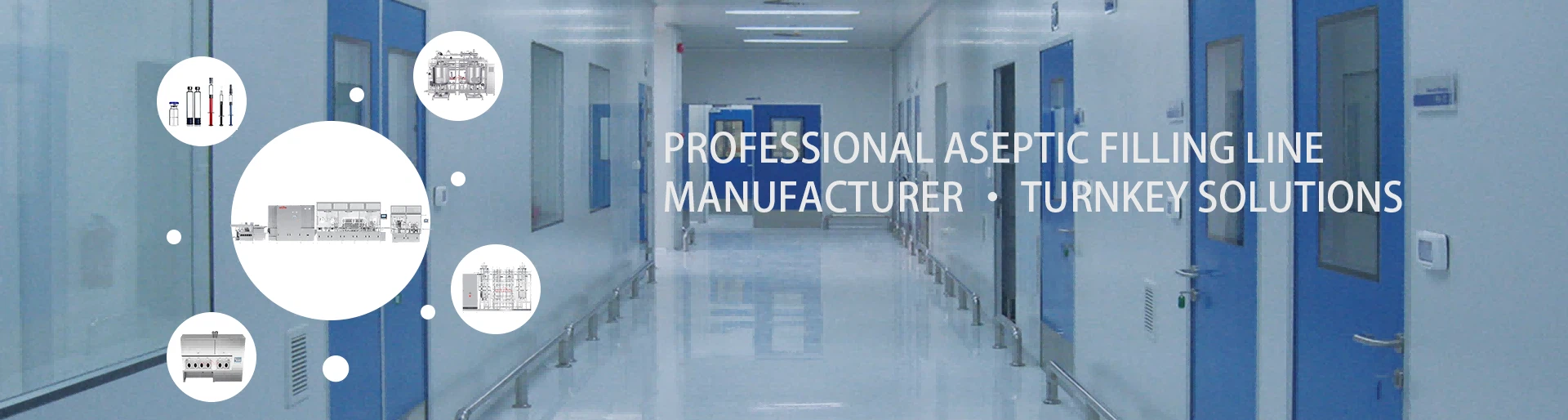


The pharmaceutical cleanroom project is a professional design and construction process that provides a clean production environment for pharmaceutical companies. These workshops are often used for the production of pharmaceuticals, medical devices and other related products and require strict control of air quality, temperature and humidity, and the quantity of dust particles and microbe to ensure product quality and safety.

Pharmaceutical cleanroom application industry:
1. Pharmaceutical production
- The production of sterile preparations, such as injections, eye drops, etc., requires the prevention of microbial contamination in the environment with high cleanliness.
- The production of oral solid preparations, such as tablets and capsules, to control dust and impurities and ensure drug quality.
2. Biologics manufacturing
- The production of vaccines and blood product requires extremely high cleanliness and sterility to ensure the safety and effectiveness of products.
3. APIs production
-- The production of some highly active and sensitizing APIs needs to be performed in cleanrooms to avoid cross contamination and personnel exposure risks.
4. Laboratory research and development
- Experimental operations in drug development, such as cell culture and microbial experiments, require a clean environment to ensure the accuracy and reliability of experimental results.
5. Medical device manufacturing
- Such as implantable and sterile medical devices manufacturing, to ensure that the product is sterile and pyrogen-free.
In conclusion, pharmaceutical cleanrooms play a vital role in ensuring the quality, safety and effectiveness of drugs and medical devices.
Common equipment in pharmaceutical cleanroom projects:
1.Air filters: including primary, medium and high efficiency filters. HEPA filters effectively remove tiny particles and microorganisms from the air.
2. Laminar flow hood: provide local highly clean environment, so that the air in the work area reaches a higher level of cleanliness.
3. Clean bench: provide a partially sterile, dust-free working environment for operations.
4. Air shower room: used to remove dust and other pollutants attached to the surface of clothing when personnel enter the cleanroom.
5. Pass box: used to transfer items between areas of different cleanliness to prevent cross-contamination.
6. Cleaning device: can purify the local space.
7.Air conditioning unit: by regulating the temperature, humidity and cleanliness of the air, to provide air that meets the requirements for the whole cleanroom.
These devices play an important role in ensuring the air quality and cleanliness of pharmaceutical cleanrooms.
Key steps in designing a pharmaceutical cleanroom include:
1. Demand analysis
- Clarify the production process and flow of drugs.
- Determine the production scale and capacity requirements.
- Know the relevant regulations and standards such as GMP.
2. Layout planning
- Divide the areas of different clean levels, such as general areas, controlled areas and clean areas.
- Reasonably arrange the location of production equipment, operation room and auxiliary room to ensure smooth process flow and reduce the risk of cross contamination.
3. Design of air conditioning system
- Calculate the required air supply and exhaust volumes, and fresh air volume.
- Select suitable air treatment equipment, such as filters, humidifiers, dehumidifiers, etc.
- Design reasonable air flow distribution, such as laminar flow or turbulent flow.
4. Cleanroom structure design
- Choose clean building materials, such as surface materials that are not easy to accumulate dust and easy to clean.
- Ensure tightness and flatness of walls, ceilings and floors.
5.Water supply and drainage and electrical design
- Design sanitary water supply and drainage systems, including purified water, water for injection, etc. supply and wastewater discharge.
- Plan reasonable electrical system to meet lighting and equipment power demand, and ensure safety and stability.
6. Design of pollution control
- Design effective ventilation and exhaust systems to control dust and exhaust emissions.
- Plan cleaning and disinfection facilities and procedures.
7. Verification and risk assessment
- Design verification is performed to ensure that the design meets expected requirements.
-Conduct risk assessment to identify potential contamination and quality risks and develop appropriate control measures.
8. Preparation of detailed design documents
- Including the plan, sectional drawing, system drawing, equipment list, construction description, etc., to provide basis for construction and acceptance.
Each step needs to be carefully designed and strictly controlled to ensure high quality and compliance in the pharmaceutical cleanroom.
The acceptance steps for a pharmaceutical cleanroom project include:
1. Cleanroom environmental testing
- The number of suspended particles in the air and the particle concentrations of different sizes are measured to assess whether the air cleanliness meets the design requirements.
- Measure the temperature and humidity to ensure they are within specified limits.
- Test the differential pressure, and that between areas of different cleanliness should meet the standard to prevent backflow and cross contamination.
- Measure the microbe quantity, including the number of airborne viable particles and settling bacteria.
2. Equipment performance acceptance
- Check the operation status of the air conditioning system, including whether the parameters such as air volume, air speed and ventilation frequency comply with the design requirements.
- Check and accept the lighting system to ensure that the uniform illumination and brightness meet work requirements.
- Test the water supply and drainage system, check the water quality, water pressure and drainage.
3. Project quality acceptance
- Check whether the building structure of cleanroom, such as the flatness, tightness and materials of walls, ceilings and floors, meets the requirements.
- check and accept the electrical system, including wiring, socket installation, grounding resistance, etc.
- Check the installation quality and tightness of pipes and valves.
4. Document review
- Review whether the design documents, construction plans, test reports, equipment specifications and other related documents is complete and accurate.
- Check quality control records and inspection reports during construction.
5. Acceptance of personnel training and operating specifications
- Verify that operators are trained and familiar with cleanroom operating specifications and maintenance requirements.
The acceptance work shall be carried out by personnel with professional qualifications and experience, and detailed reports shall be formed on acceptance results. If problems are found during acceptance, the Contractor shall be required to rectify until relevant standards and requirements are met.
Hot Tags: the pharmaceutical cleanroom, China the pharmaceutical cleanroom suppliers, manufacturers, factory, , Tablet Coating Machine


