

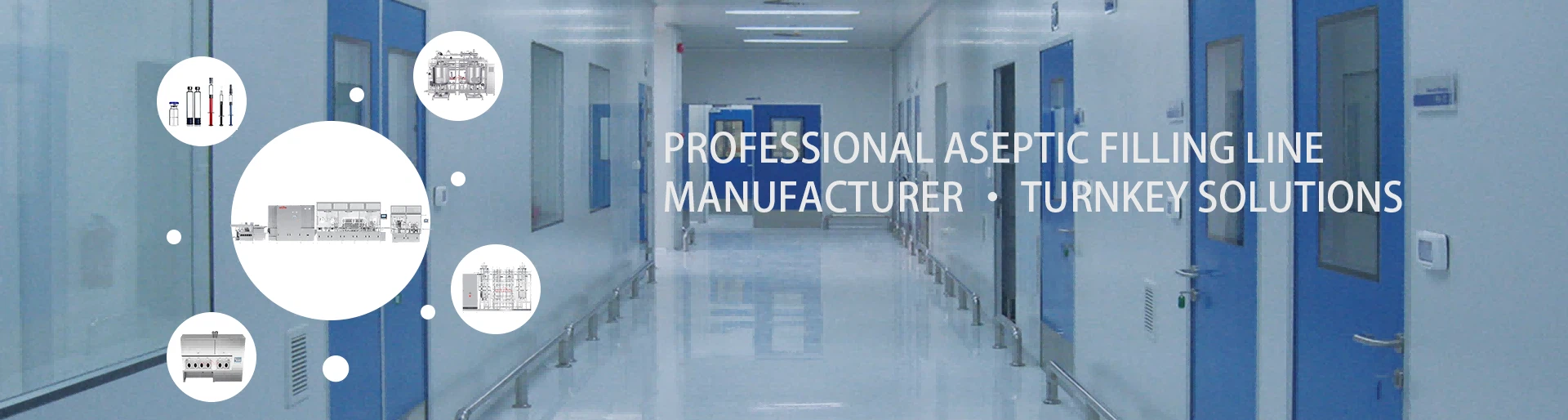
What materials can be used in a cleanroom?
A cleanroom is a controlled environment that is designed to minimize the presence of airborne particles and other contaminants. This is particularly important in industries such as pharmaceuticals, electronics, and manufacturing, where even the smallest particles can have a significant impact on the quality of products being produced. In order to maintain the cleanliness of a cleanroom, certain materials need to be used. These materials are carefully selected to minimize the generation of particles and to be easily cleanable. Let''s take a closer look at the materials commonly used in cleanrooms.
Walls:
Cleanroom walls are typically made of non-porous materials that are easy to clean and maintain. Commonly used materials include stainless steel, aluminum, fiberglass-reinforced plastic (FRP), and coated or painted surfaces. These materials are not only resistant to particles and contaminants but also can be wiped down easily to remove any dust or residue. The walls are often designed and sealed to prevent any leakage or cross-contamination.
Ceiling and Flooring:
Similar to the walls, ceiling and flooring materials in cleanrooms should be non-porous and easily cleaned. Suspended grid systems made of stainless steel or aluminum are often used for the ceiling, allowing for easy access to services such as lighting and air conditioning. Flooring materials may vary depending on the cleanliness requirements of the cleanroom. Common options include epoxy, vinyl, or resin flooring, which are resistant to chemicals, easy to clean, and offer electrostatic discharge (ESD) protection.
Doors and Windows:
Cleanroom doors and windows are designed to provide an airtight seal, preventing the entry of contaminants from outside. Doors are typically made of non-shedding materials such as stainless steel or coated aluminum. They often feature gaskets and interlocking systems to ensure a tight seal. Windows, if required, are usually made of safety glass or tempered glass, which is resistant to shattering and easy to clean.
Filters and Filtration Systems:
Cleanrooms rely heavily on filters and filtration systems to maintain the desired level of cleanliness. High-efficiency particulate air (HEPA) filters are commonly used to remove particles as small as 0.3 micrometers from the air. These filters ensure that the air inside the cleanroom remains clean by trapping particles and preventing their re-circulation. Filters may be installed in the air handling units, fans, vents, or as standalone units to create a clean airflow throughout the cleanroom.
Furniture and Equipment:
Furniture and equipment used in cleanrooms need to be selected carefully to minimize particle generation and facilitate easy cleaning. Stainless steel is often preferred due to its durability, resistance to particles, and ease of cleaning. Workbenches, storage cabinets, and chairs made of stainless steel are common in cleanroom environments. Other materials, such as powder-coated or laminated surfaces, can also be used for furniture and equipment, provided they meet the cleanliness requirements of the cleanroom.
Gloves and Garments:
Personnel working in cleanrooms are required to wear specialized gloves and garments to minimize contamination from their bodies. These gloves and garments are often made of low-linting and non-shedding materials, such as nitrile or latex gloves, and cleanroom-specific apparel made of synthetic fibers. These materials help to prevent the generation of particles from the personnel and keep the cleanroom environment clean and controlled.
Sealants and Adhesives:
Sealants and adhesives used in cleanrooms must meet specific requirements to maintain cleanliness and minimize the off-gassing of contaminants. Sealants used for joining cleanroom components are typically low-VOC (volatile organic compound) and designed to prevent the growth of bacteria or mold. Similarly, adhesives used for bonding cleanroom materials are selected to have low particle generation and minimal impact on the cleanliness of the environment.
Conclusion:
In conclusion, a wide range of materials is used in cleanrooms to ensure the maintenance of a clean and controlled environment. From non-porous walls, ceilings, and floors to specialized furniture, filters, and garments, every material is carefully selected to minimize particle generation and facilitate easy cleaning. By using these materials and implementing proper maintenance and cleaning protocols, cleanrooms can meet the stringent cleanliness requirements of various industries and provide a controlled environment for the production of high-quality products.