

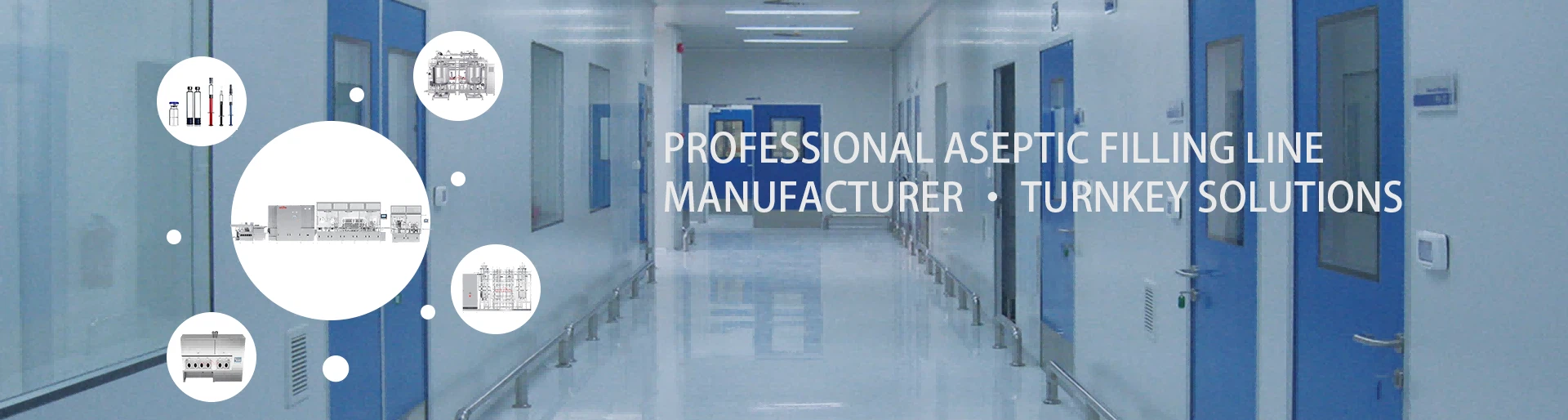
What equipment is used in a clean room?
Clean rooms play a crucial role in various industries where contamination control is of utmost importance. These controlled environments are designed to minimize the presence of airborne particles, pollutants, and other contaminants. To achieve this, clean rooms require specialized equipment that helps maintain cleanliness and purity. In this article, we will explore the essential equipment used in a clean room and understand their functions.
Air Filtration System
One of the most vital components of a clean room is the air filtration system. The air inside a clean room needs to be constantly purified to ensure a clean and contaminant-free environment. This system typically consists of High-Efficiency Particulate Air (HEPA) filters or Ultra-Low Particulate Air (ULPA) filters. These filters are capable of removing particles as small as 0.3 micrometers with an efficiency of 99.97% or higher. The air filtration system is responsible for maintaining the required air cleanliness level in the clean room.
HVAC System
The Heating, Ventilation, and Air Conditioning (HVAC) system is crucial for maintaining the desired temperature, humidity, and pressure levels within a clean room. The HVAC system also aids in the recirculation and filtration of air. It works in tandem with the air filtration system to provide a controlled environment by regulating the flow of air, controlling temperature, and maintaining the required differential pressure. The HVAC system ensures that the clean room remains isolated from external contaminants and maintains optimal conditions for the processes conducted inside.
Air Shower
An air shower is a device used at the entrance of a clean room to remove particles and contaminants from personnel or equipment that enter. It creates a high-velocity shower of filtered air that blows away any loose particles present on the surfaces. This helps prevent the introduction of contaminants into the clean room. Air showers are equipped with powerful air jets and are essential for maintaining cleanliness standards and reducing the risk of contamination.
Gowning Room
Before entering a clean room, personnel must change into specialized garments to minimize the introduction of contaminants. The gowning room is the area where individuals put on these attire, including coveralls, gloves, face masks, shoe covers, and headcovers. The gowning room is designed to minimize particle generation and contamination. It often has air showers or antechambers to remove any loose particles from clothing before entering the clean room.
Cleanroom Furniture
Cleanroom furniture is specially designed to meet the strict cleanliness requirements of a clean room. These furniture pieces are made of materials that minimize particle generation and are easy to clean. Stainless steel is a commonly used material due to its durability and resistance to contamination. Cleanroom furniture includes tables, chairs, storage cabinets, and workstations. All these furniture items are designed to prevent particulate release, facilitate easy cleaning, and maintain a contamination-free environment.
Pass-Through Chambers
Pass-through chambers are used to transfer materials, equipment, or samples into and out of the clean room without compromising the cleanliness of the environment. These chambers have interlocking doors on both sides, allowing only one door to be open at a time. Materials or equipment can be placed inside the chamber from one side, and then the door can be closed before opening the door on the clean room side. This helps maintain the integrity of the controlled environment by preventing direct airflow between the clean room and its surroundings.
Cleanroom Gloves
Cleanroom gloves are an essential part of personal protective equipment (PPE) used in clean rooms. These gloves are made of materials that minimize particle shedding and are sterilized to maintain cleanliness. Cleanroom gloves are often made of nitrile or latex and are powder-free to prevent contamination of the environment. They provide a barrier between the wearer and the sensitive products or processes being conducted inside the clean room.
Air Monitoring System
To ensure the integrity of a clean room, continuous monitoring of air quality is essential. An air monitoring system consists of sensors and instruments that measure parameters such as airborne particle counts, temperature, humidity, and pressure differentials. These systems provide real-time data on the cleanliness levels and enable prompt action in case of any deviations from the required standards. Air monitoring systems help maintain the desired environment inside the clean room and provide critical information for process control and validation.
Particle Counters
Particle counters are devices used to measure the concentration of airborne particles in a clean room. These instruments provide accurate data on the number and size distribution of particles present in the air. Particle counters are calibrated to count particles based on their sizes, typically ranging from 0.3 to 5 micrometers. They are used to validate the clean room''s cleanliness level and ensure that it complies with the specified standards.
Static Control Equipment
Static electricity can be a significant concern in clean rooms as it attracts airborne particles and can interfere with sensitive processes. To mitigate static discharge and prevent contamination, various static control equipment is used. This includes ionizers, grounding systems, dissipative flooring, and antistatic workstations. These measures help maintain a static-free environment and minimize the risk of damage or contamination in electronic manufacturing or assembly processes.
Conclusion
Clean rooms require specialized equipment to maintain cleanliness, purity, and controlled environments. The equipment discussed in this article, including air filtration systems, HVAC systems, air showers, gowning rooms, cleanroom furniture, pass-through chambers, cleanroom gloves, air monitoring systems, particle counters, and static control equipment, all contribute to the integrity and effectiveness of clean room operations. By employing these essential pieces of equipment, industries such as pharmaceuticals, electronics, biotechnology, and healthcare can ensure contamination-free environments for their critical processes.