

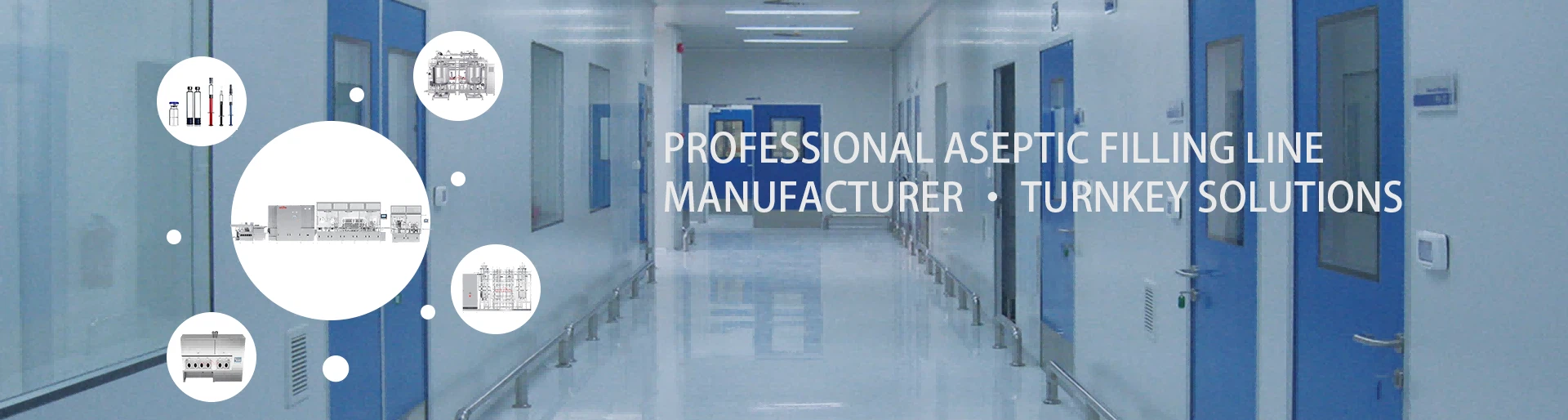
What is needed for a clean room?
A clean room is a critical environment that is designed to minimize the concentration of airborne particles and contaminants, such as dust, bacteria, viruses, and other microorganisms, to ensure the production of consistent and high-quality products. Clean rooms are essential in various industries, including semiconductor manufacturing, pharmaceuticals, nanotechnology, medical device manufacturing, and aerospace manufacturing. In this article, we will discuss what is needed for a clean room.
Basic Components of a Clean Room
A cleanroom consists of several essential components that work together to control the level of cleanliness. These components include:
1. Cleanroom walls, floors, and ceilings
Cleanroom walls, floors, and ceilings are made of smooth, non-porous materials that are easy to clean, such as vinyl, stainless steel, epoxy, or fiberglass-reinforced plastic. The walls, floors, and ceilings should be free from cracks, crevices, and other imperfections that can trap particles and contaminants.
2. Positive pressure HVAC system
Clean rooms rely on a positive pressure HVAC (Heating, Ventilation, and Air Conditioning) system to circulate the air and remove contaminants. The HVAC system filters the air, removes particles and contaminants, and then circulates the clean air back into the room.
3. Air filtration system
The air filtration system is a critical component of a clean room. It uses high-efficiency particulate air (HEPA) filters to remove particles as small as 0.3 microns. The air filtration system must be properly maintained and validated to ensure that it is functioning correctly.
4. Lighting system
Clean rooms require special lighting systems that emit a minimal amount of heat and minimize the number of particles generated. Lighting should be non-shedding and easily cleaned.
5. Entrance and exit system
A clean room must have an entrance and exit system that prevents the entry of contaminants. Clean room personnel should wear cleanroom garments, such as gowns, gloves, and masks, and enter through a designated airlock area.
Clean Room Classifications
Clean rooms are classified based on the level of cleanliness they provide. The classification system is based on the number of particles, such as dust and bacteria, that are present in a specific volume of air. The classifications are defined by the International Organization for Standardization (ISO).
1. ISO Class 1 Clean Room
An ISO Class 1 clean room is the cleanest environment possible. It must not exceed more than 10 particles of 0.1 microns or larger per cubic meter of air.
2. ISO Class 2 Clean Room
An ISO Class 2 clean room allows a maximum of 100 particles of 0.1 microns or larger per cubic meter of air.
3. ISO Class 3 Clean Room
An ISO Class 3 clean room permits up to 1,000 particles of 0.1 microns or larger per cubic meter of air.
4. ISO Class 4 Clean Room
An ISO Class 4 clean room allows up to 10,000 particles of 0.1 microns or larger per cubic meter of air.
Clean Room Equipment
Clean rooms require specialized equipment to ensure that the products produced in them are free from contaminants. The following are examples of equipment commonly used in clean rooms:
1. Fume hoods
Fume hoods are used to contain hazardous or noxious gases, vapors, or fumes. They help to maintain a clean and safe work environment.
2. Biosafety cabinets
Biosafety cabinets provide a work area for handling hazardous materials. They can be used to protect the operator and the environment from hazardous materials.
3. Gloveboxes
Gloveboxes are used to handle materials that are sensitive to air, moisture, or other contaminants. They provide a controlled environment where the operator can manipulate the materials without exposing them to air or contaminants.
4. Chemical showers
Chemical showers are used to decontaminate objects or personnel that have been exposed to hazardous materials. They are commonly used in pharmaceutical and semiconductor manufacturing facilities.
5. Cleanroom airlocks
Cleanroom airlocks are used to maintain the cleanliness of the cleanroom. They prevent the entry of contaminants by controlling the flow of personnel and equipment in and out of the cleanroom.
Cleanroom Garments
Cleanroom garments are required to maintain the cleanliness of the cleanroom environment. The following are examples of cleanroom garments commonly used:
1. Cleanroom gowns
Cleanroom gowns are used to cover the entire body to prevent personnel from introducing particles and contaminants into the cleanroom.
2. Cleanroom gloves
Cleanroom gloves are used to prevent personnel from introducing particles and contaminants into the cleanroom. They protect the operator and the environment from contamination.
3. Cleanroom face masks
Cleanroom face masks are used to prevent the operator from introducing particles and contaminants into the cleanroom. They protect the operator and the environment from contamination.
Clean Room Maintenance
Cleanroom maintenance is critical to ensure that the cleanroom remains clean and free from contaminants. The following are examples of cleanroom maintenance activities that should be performed regularly:
1. Cleanroom cleaning
Cleanroom cleaning should be performed regularly to remove particles and contaminants from surfaces. The cleaning process should be performed using appropriate cleaning agents and equipment to prevent damage to cleanroom surfaces.
2. Equipment maintenance
Cleanroom equipment should be maintained regularly to ensure that it is functioning correctly. This includes regular calibration, inspection, and testing of equipment.
3. Filter replacement
Cleanroom filters should be replaced regularly to ensure that they are functioning correctly. Filters should be replaced according to a predetermined schedule and tested after replacement.
4. Personnel training
Cleanroom personnel should receive regular training on cleanroom procedures, including proper garbing, gowning, and operating cleanroom equipment. They should also be trained on best practices for preventing contamination and maintaining cleanroom cleanliness.
Conclusion
A cleanroom is a critical environment that is designed to minimize the concentration of airborne particles and contaminants, such as dust, bacteria, viruses, and other microorganisms, to ensure the production of consistent and high-quality products. The components, classifications, equipment, garments, and maintenance requirements of cleanrooms must be properly understood to ensure their continued operation and effectiveness.