

What are the different types of pharmaceutical manufacturing?
Pharmaceutical manufacturing is a complex and crucial process that involves the production, development, and distribution of drugs and medicines. With the advancements in technology and the growing demands for healthcare products, the world of pharmaceutical manufacturing has expanded to include various types of manufacturing processes. In this article, we will explore these different types and gain an understanding of how they contribute to the production of safe and effective pharmaceutical products.
1. Active Pharmaceutical Ingredient (API) Manufacturing:
The first step in pharmaceutical manufacturing is the production of active pharmaceutical ingredients (APIs). APIs are the chemical components responsible for the therapeutic effects of a drug. This type of manufacturing involves the synthesis or extraction of APIs from various sources, such as plants, animals, or chemical reactions. API manufacturing requires strict quality control measures to ensure the purity and potency of the final product.
2. Formulation Development and Manufacturing:
After obtaining the API, the next step is to develop a suitable formulation for the drug. This involves combining the API with other inactive ingredients to create a dosage form, such as tablets, capsules, or liquid solutions. Formulation development requires expertise in selecting the appropriate excipients, optimizing the drug''s delivery system, and ensuring stability and bioavailability. Once the formulation is developed, it undergoes manufacturing processes like blending, granulation, compression, or encapsulation.
3. Packaging and Labeling:
Packaging and labeling are critical aspects of pharmaceutical manufacturing. The primary purpose of packaging is to protect the drug product from external factors such as moisture, light, and contamination. It also provides convenience, ease of use, and storage stability. Packaging materials must be compatible with the drug formulation and meet regulatory requirements. Additionally, labeling plays a vital role in providing essential information about the drug, including dosage instructions, warnings, and precautions.
4. Sterile Manufacturing:
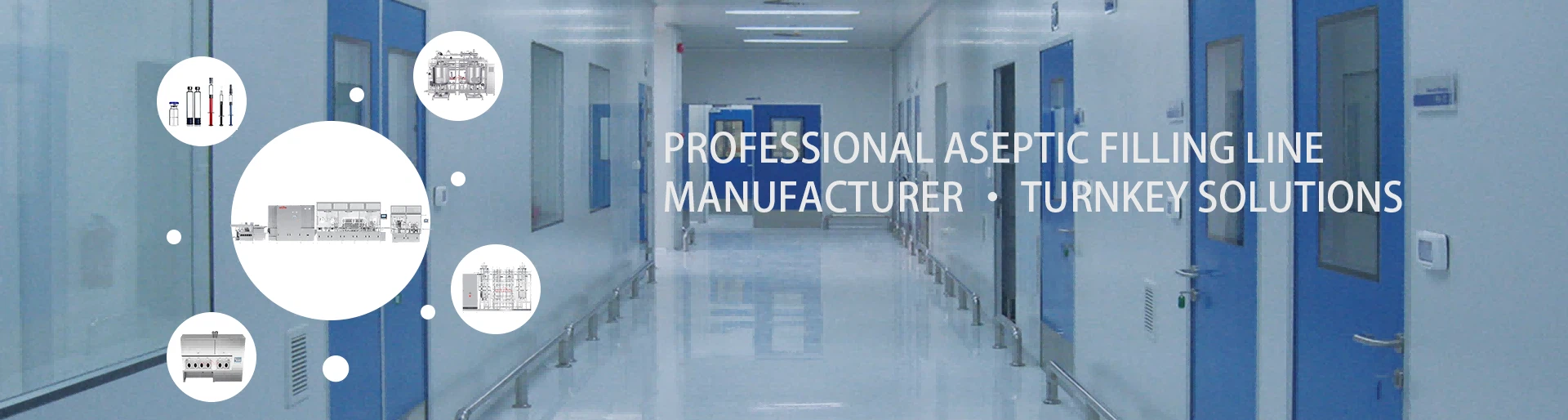
Sterile manufacturing is employed in the production of drugs that need to be free from any microorganisms or contaminants. This type of manufacturing requires a controlled environment, such as a cleanroom, where air quality, temperature, and humidity are strictly regulated. Sterile drugs are often administered through injections, intravenous infusions, or ophthalmic solutions. The manufacturing process involves sterilization techniques like filtration, heat, radiation, or aseptic processing to ensure product safety.
5. Biopharmaceutical Manufacturing:
Biopharmaceutical manufacturing involves the production of drugs derived from living organisms or biological processes. Unlike traditional chemical synthesis, biopharmaceuticals are typically large, complex molecules, such as proteins, peptides, antibodies, or nucleic acids. The manufacturing process includes cell culture, fermentation, purification, and formulation of biologics. Due to the intricate nature of biopharmaceuticals, stringent quality control measures are necessary to ensure product efficacy and safety.
6. Over-the-Counter (OTC) Manufacturing:
OTC manufacturing focuses on the production of drugs that are available without a prescription. These products are generally used for self-medication to treat minor ailments, such as headaches, allergies, or common cold symptoms. OTC manufacturing involves formulating and packaging drugs in various dosage forms, including tablets, creams, ointments, or nasal sprays. The manufacturing process must adhere to strict regulatory guidelines and ensure the proper labeling of OTC drugs for consumer safety.
7. Generic Drug Manufacturing:
Generic drug manufacturing involves the production of drugs that are identical or bioequivalent to branded drugs, but at a lower cost. Generic drugs can enter the market once the patent protection on the branded drug expires. The manufacturing process for generic drugs follows the same principles as the branded equivalents, including API synthesis, formulation development, and quality control. Generic drug manufacturers must meet rigorous standards set by regulatory authorities to ensure safety, efficacy, and quality.
8. Contract Manufacturing:
Contract manufacturing, also known as outsourcing, occurs when a pharmaceutical company hires another company to manufacture its drugs. This is a common practice to optimize resources, reduce costs, and leverage specialized expertise. Contract manufacturers are responsible for various stages of drug manufacturing, including API synthesis, formulation, packaging, and quality control. It requires a strong collaboration between both companies to ensure seamless integration and adherence to regulatory requirements.
9. Continuous Manufacturing:
Continuous manufacturing is an innovative approach that aims to streamline the pharmaceutical manufacturing process by eliminating batch processing. This method involves a continuous flow of raw materials, real-time monitoring, and quality control to produce drugs in a continuous and automated manner. Continuous manufacturing offers several advantages, such as increased efficiency, reduced production time, and improved product consistency. It is considered the future of pharmaceutical manufacturing due to its potential for cost-effectiveness and flexibility.
Conclusion:
The different types of pharmaceutical manufacturing play a significant role in ensuring the production of safe, effective, and high-quality drugs. Each type encompasses unique processes, requirements, and regulatory considerations. Whether it is API manufacturing, formulation development, sterile manufacturing, or continuous manufacturing, pharmaceutical companies strive to meet stringent standards to provide patients with the medications they need. By understanding these different types, we can appreciate the complexity and innovation behind the pharmaceutical manufacturing industry.