

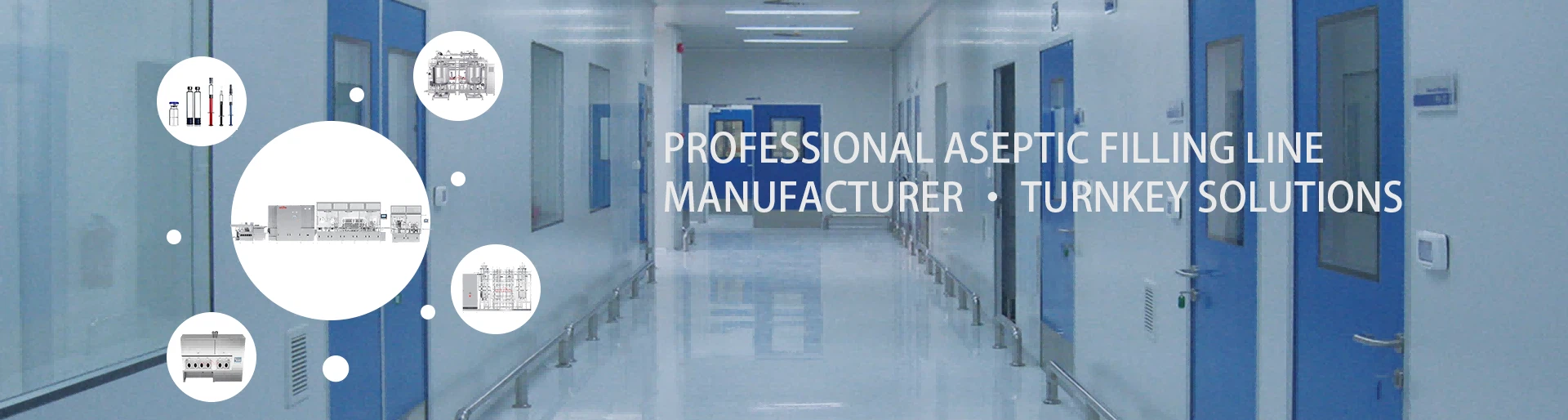
As Africa continues to invest in its pharmaceutical, biotechnology, and healthcare infrastructure, the demand for high-quality cleanroom environments is on the rise. However, for many organizations embarking on their first cleanroom project, the process may seem complex and daunting. In this article, we break down what a turnkey cleanroom project involves and what clients in Africa can expect from initial design to final validation.
1. What Is a Turnkey Cleanroom Project?
A turnkey cleanroom project means the entire process is managed by a single provider-from concept to completion. This includes cleanroom design, material sourcing, construction, HVAC integration, furniture, equipment, commissioning, and final validation. The client receives a fully functional, compliant cleanroom ready for use.
This model is especially beneficial in regions like Africa where technical expertise, equipment sourcing, and regulatory alignment can be challenging to coordinate independently.
2. Phase 1: Planning and Design
The process begins with understanding the client's specific needs:
- Type of production (pharma, vaccine, medical devices, etc.)
- Required ISO or GMP cleanroom classification
- Facility layout and available space
- Utilities and climate conditions
Using this information, engineering teams create custom cleanroom designs tailored for both operational efficiency and regulatory compliance. Design documents include layout drawings, airflow patterns, pressure zoning, and utility schematics.
3. Phase 2: Construction and Installation
With design approved, the construction phase begins. This includes:
- Delivery and installation of cleanroom panels, doors, windows
- HVAC system installation with HEPA filtration
- Integration of pass boxes, laminar flow units, cleanroom lighting, and interlocks
- Installation of cleanroom furniture and equipment
Experienced project managers ensure timelines are met and standards maintained, often with both remote and onsite supervision.
4. Phase 3: Commissioning and Validation
After installation, the cleanroom undergoes thorough testing and validation, including:
- Airflow and differential pressure testing
- Particle count analysis
- Temperature and humidity checks
- Cleanroom certification per ISO 14644 or GMP standards
Detailed validation documentation is provided to support regulatory audits and internal quality assurance.
5. Post-Completion Support
Leading turnkey providers offer training for cleanroom operation and maintenance, as well as ongoing technical support. In Africa, where cleanroom knowledge may still be growing, this support is key to long-term success.
Conclusion
A turnkey cleanroom project simplifies the path from vision to reality. For African pharmaceutical, biotech, and medical clients, it ensures they meet international standards while reducing project risk and complexity. Partnering with a reliable cleanroom provider means gaining not just a facility, but a foundation for growth, quality, and innovation.