

Hey there! As a supplier of Clean Room Pass Boxes, I'm super stoked to share with you how these nifty devices work. Clean room pass boxes are an essential part of maintaining a clean and controlled environment in various industries, like pharmaceuticals, electronics, and food processing. So, let's dive right in and explore the ins and outs of how a Clean Room Pass Box operates.
The Basics of a Clean Room Pass Box
First off, what exactly is a Clean Room Pass Box? Well, it's a small enclosure that acts as a buffer zone between two different cleanroom environments or between a cleanroom and a non - cleanroom area. Its main job is to transfer materials, tools, or small equipment between these areas without introducing contaminants.
Think of it like a little gateway. When you need to move something from a less clean area into a cleanroom, you can't just open the door and shove it in. That would let in all sorts of dust, bacteria, and other unwanted stuff. The pass box solves this problem by providing a sealed space where the items can be "cleaned" or at least have the contaminants removed before entering the cleanroom.
Construction and Components
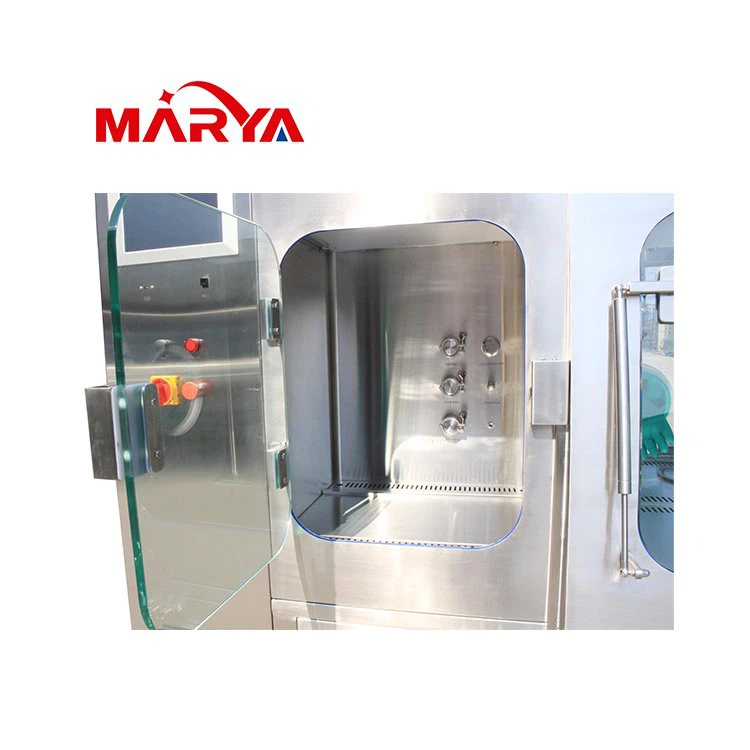
Clean Room Pass Boxes are typically made of high - quality stainless steel. This material is not only durable but also easy to clean and disinfect, which is crucial in a cleanroom setting. The box has two doors, one on each side, and these doors are interlocked. That means you can't open both doors at the same time. This interlocking mechanism is a key safety feature that prevents cross - contamination between the two areas.
Inside the pass box, there are usually some important components. One of the most common is a HEPA (High - Efficiency Particulate Air) filter. This filter is designed to trap particles as small as 0.3 microns with an efficiency of at least 99.97%. It works by forcing the air through a fine mesh, and the particles get stuck in the mesh while the clean air passes through.
There's also a fan system. The fan blows air through the HEPA filter and into the pass box, creating a positive pressure inside. This positive pressure helps to push any contaminants out of the box and prevents outside air from sneaking in. And to make sure everything is working as it should, there are often sensors and controls. These can monitor things like air pressure, filter status, and door open/close status.
The Working Process
Let's walk through the step - by - step process of how a Clean Room Pass Box works.
-
Loading the Pass Box
The first step is to place the items you want to transfer into the pass box. You open the door on the "dirty" side (the non - cleanroom or less clean area) and put the items inside. Once you've loaded everything, you close the door. The interlocking mechanism will lock this door, preventing it from being opened again until the other door is closed. -
Air Purification
As soon as the door is closed, the fan system kicks in. The fan draws in air from the pass box, passes it through the HEPA filter, and then blows the clean air back into the box. This process of air circulation helps to remove any contaminants that were on the items or in the air inside the box. The air keeps circulating for a set period of time, which is usually determined by the level of cleanliness required in the cleanroom. -
Transfer to the Clean Area
After the air purification cycle is complete, you can open the door on the "clean" side (the cleanroom area). The positive pressure inside the pass box helps to prevent any dirty air from the outside from entering the cleanroom when the door is opened. You take the items out of the pass box and close the door. Once this door is closed, the interlocking mechanism unlocks the other door, allowing it to be opened again for the next transfer.
Importance in Different Industries
In the pharmaceutical industry, Clean Room Pass Boxes are crucial for maintaining the sterility of drugs and medical devices. Any contamination during the manufacturing process can lead to serious health risks for patients. By using pass boxes, pharmaceutical companies can ensure that only clean materials enter the production areas.
In the electronics industry, even the tiniest particle can cause a short - circuit or damage to sensitive electronic components. Clean Room Pass Boxes help to keep the manufacturing environment free from dust and other contaminants, which is essential for producing high - quality electronic products.
The food processing industry also benefits from Clean Room Pass Boxes. They help to prevent the introduction of bacteria, mold, and other pathogens into the food production areas, ensuring the safety and quality of the food products.
Related Clean Room Equipment
If you're in the market for Clean Room Pass Boxes, you might also be interested in other clean room equipment. For example, a Clean Room Air Shower is another important device. It's used to remove contaminants from personnel before they enter a cleanroom. When a person steps into the air shower, high - velocity jets of filtered air blow off any dust or particles on their clothing and body.
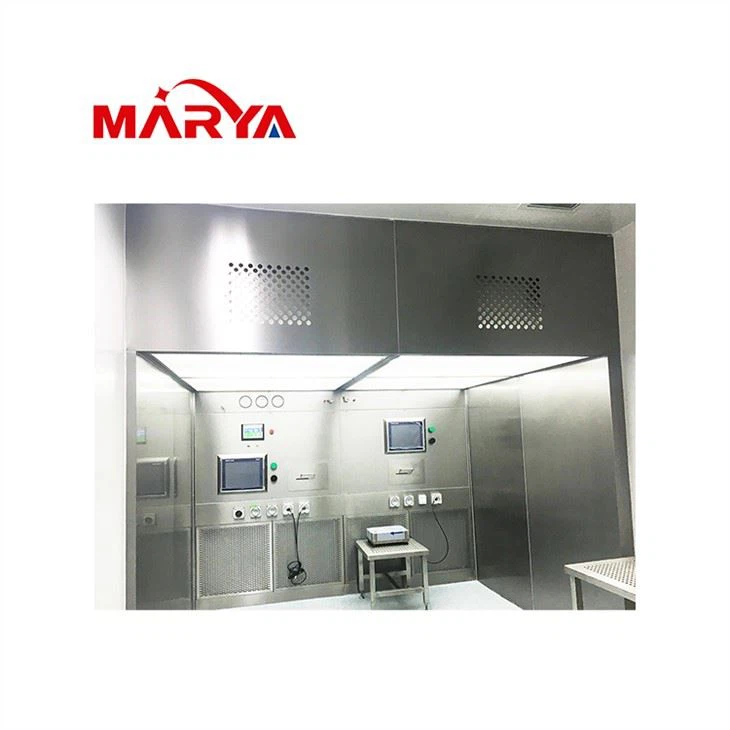
A Sampling Booth is useful for taking samples of products in a clean and controlled environment. It provides a small, isolated space where samples can be collected without being contaminated.
And a Weighing Booth is designed for accurately weighing materials in a cleanroom. It helps to prevent the dispersion of powders and other fine particles during the weighing process.
Contact for Purchase
If you're interested in learning more about Clean Room Pass Boxes or any of our other clean room equipment, don't hesitate to reach out. We're here to answer all your questions and help you find the right solutions for your cleanroom needs. Whether you're a small startup or a large corporation, we've got the expertise and products to meet your requirements.
References
- "Cleanroom Technology Handbook" by Peter A. Hughes
- "Fundamentals of Cleanroom Technology" by William D. Davis