

As a supplier of cleanroom trolleys, I often get asked about the surface finish of these essential pieces of equipment. A cleanroom trolley's surface finish isn't just about looks; it plays a crucial role in maintaining the high - standards of a cleanroom environment. So, let's dig into what the surface finish of a cleanroom trolley really means.
Why Surface Finish Matters in a Cleanroom
First off, cleanrooms are super - strict environments where even the tiniest particle can mess up sensitive processes, like in semiconductor manufacturing or pharmaceutical production. The surface finish of a cleanroom trolley affects how well it can prevent the generation, retention, and release of particles.
A poor surface finish can have microscopic nooks and crannies where dust, dirt, and contaminants can hide. When the trolley moves around the cleanroom, these trapped particles can be shaken loose and contaminate the surrounding area. This is a huge no - no in cleanroom operations, as it can lead to product defects, lower yields, and even safety risks in some cases.
Common Surface Finishes for Cleanroom Trolleys
Stainless Steel with Electropolishing
Stainless steel is a popular choice for cleanroom trolleys because it's durable, corrosion - resistant, and relatively easy to clean. When it comes to surface finish, electropolishing takes stainless steel to the next level.
Electropolishing is a process where the stainless - steel surface is immersed in an electrolyte solution and an electric current is applied. This removes a thin layer of the metal, leveling out the surface at a microscopic level. The result is a smooth, mirror - like finish that's extremely resistant to particle adhesion.
The smooth surface also makes it easier to clean the trolley. You can simply wipe it down with a cleanroom - approved cleaning agent, and there are no rough spots for dirt to cling to. This type of finish is great for cleanrooms with high - level cleanliness requirements, such as those in the semiconductor industry.
Powder Coating
Powder coating is another option for cleanroom trolleys. In this process, a dry powder is electrostatically applied to the trolley's surface and then cured under heat. The powder melts and forms a hard, protective layer.
Powder coating offers several benefits. It comes in a wide range of colors, so you can choose a finish that matches your cleanroom's aesthetic or color - coding system. It also provides good chemical resistance, protecting the trolley from damage caused by exposure to various chemicals used in the cleanroom.
However, compared to electropolished stainless steel, powder coating may not be as smooth at a microscopic level. There could be some minor irregularities that might trap particles. But if the cleanroom's cleanliness requirements aren't as extreme, powder - coated trolleys can still be a cost - effective and practical choice.
Anodized Aluminum
Aluminum is a lightweight alternative to stainless steel, and anodizing is a common surface - finishing technique for aluminum cleanroom trolleys.
Anodizing is an electrochemical process that forms a thin, oxide layer on the aluminum surface. This layer is hard, wear - resistant, and provides some protection against corrosion. It also gives the trolley a nice, uniform appearance.
Similar to electropolished stainless steel, an anodized finish can be relatively smooth. However, it's important to note that anodized aluminum may not be as chemically resistant as stainless steel in some harsh chemical environments. But for cleanrooms in industries like electronics assembly, where lightweight equipment is preferred, anodized aluminum trolleys can be a good fit.
Impact of Surface Finish on Cleanroom Compatibility
The surface finish of a cleanroom trolley directly impacts its compatibility with different cleanroom classifications. Cleanrooms are classified based on the number of particles allowed per cubic meter of air at a specific size range.
For example, a Class 1 cleanroom, which is the cleanest, has extremely strict particle - count limits. Trolleys in these cleanrooms need to have a surface finish that minimizes particle generation and release. Electropolished stainless - steel trolleys are often the go - to choice here because of their ultra - smooth surfaces.
On the other hand, a Class 100,000 cleanroom has less stringent requirements. In this case, a powder - coated or anodized aluminum trolley might be sufficient. These finishes can still meet the cleanliness standards of a less - critical cleanroom while offering other advantages like cost - effectiveness or color options.
Maintenance and Long - Term Performance
The surface finish also affects how well the cleanroom trolley holds up over time. A good surface finish can extend the trolley's lifespan and reduce maintenance costs.
As I mentioned earlier, a smooth finish like electropolishing or anodizing makes the trolley easier to clean. Regular cleaning helps prevent the buildup of contaminants that could damage the surface or cause corrosion.
If you have a powder - coated trolley, you need to be a bit more careful during cleaning. Aggressive scrubbing could scratch the coating, which might expose the underlying metal to corrosion. So, it's important to use the right cleaning tools and techniques based on the surface finish of your trolley.
Related Cleanroom Equipment
When setting up a cleanroom, cleanroom trolleys are just one part of the equation. There are other important pieces of equipment that work together to maintain the cleanliness of the environment.
For example, Cargo Air Shower is used to remove particles from large items or equipment before they enter the cleanroom. It blows high - velocity, filtered air over the cargo, dislodging any loose particles.
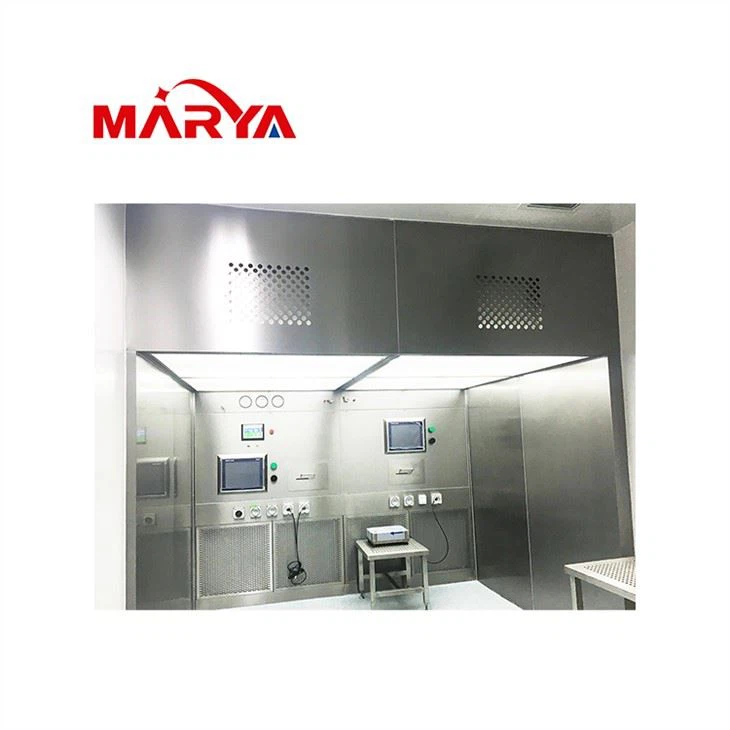
Weighing Booth provides a controlled environment for weighing materials. It helps prevent contamination during the weighing process, which is crucial in industries like pharmaceuticals where accurate measurements are essential.
Sampling Booth is designed for taking samples in a clean and controlled environment. It protects the samples from contamination and ensures accurate analysis.
Making the Right Choice for Your Cleanroom
When choosing the surface finish for your cleanroom trolley, you need to consider several factors. First, think about the cleanliness requirements of your cleanroom. If you're in a high - end semiconductor cleanroom, you'll probably want an electropolished stainless - steel trolley. But if you're in a less - critical cleanroom, a powder - coated or anodized aluminum trolley might be a better fit.
You also need to consider your budget. Electropolished stainless - steel trolleys tend to be more expensive than those with other finishes, but they offer long - term benefits in terms of cleanliness and durability.
Another factor is the type of materials and chemicals used in your cleanroom. Some finishes may be more resistant to certain chemicals than others. Make sure the surface finish you choose can withstand the substances it will come into contact with.
Contact Us for Your Cleanroom Trolley Needs
If you're in the market for a cleanroom trolley and need help choosing the right surface finish, we're here to assist you. Our team of experts has years of experience in the cleanroom equipment industry and can provide you with personalized advice based on your specific requirements.
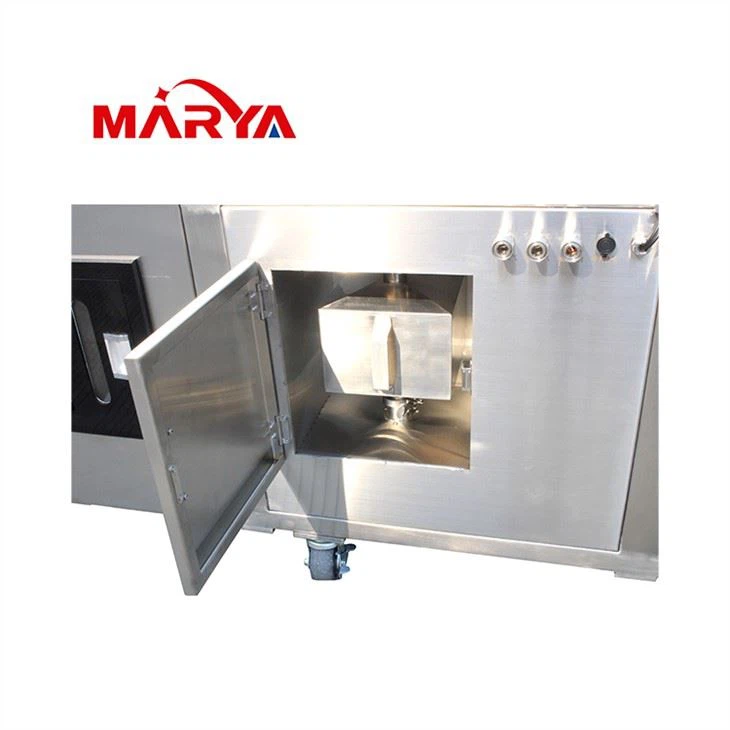
We offer a wide range of cleanroom trolleys with different surface finishes, so you're sure to find the perfect fit for your cleanroom. Whether you need a single trolley or a large quantity for a new cleanroom setup, we can accommodate your needs.
Don't hesitate to reach out to us to start a conversation about your cleanroom trolley project. We're committed to providing high - quality products and excellent customer service.
References
- "Cleanroom Technology Handbook" by William D. Hesketh
- "Stainless Steel in Cleanroom Applications" - Industry white paper
- "Surface Finishing Processes for Industrial Equipment" - Research publication