

Yo, what's up everyone! I'm a supplier of BIBO filters, and today I wanna have a chat about whether BIBO filters can be used in automotive electronics. It's a pretty hot topic, and I've got some insights to share based on my experience in the industry.
First off, let's quickly go over what BIBO filters are. BIBO stands for "Bounded - Input Bounded - Output." In simple terms, a BIBO filter is a system where if you put in a bounded input (an input signal that doesn't go off to infinity), you'll get a bounded output. These filters are great at getting rid of unwanted frequencies and noise in a signal, which makes them super useful in a bunch of different applications.
Now, let's dive into automotive electronics. The automotive industry has come a long way in recent years. Cars are no longer just mechanical beasts; they're filled with all sorts of high - tech electronics. From the engine control unit (ECU) to the infotainment system, sensors, and advanced driver - assistance systems (ADAS), electronics play a crucial role in modern vehicles.
One of the main challenges in automotive electronics is dealing with electromagnetic interference (EMI). There are so many electronic components in a car, all generating and receiving electrical signals. These signals can interfere with each other, causing malfunctions or reducing the performance of the systems. That's where BIBO filters come in handy.
BIBO filters can be used to clean up the electrical signals in automotive electronics. For example, in the ECU, which controls the engine's performance, accurate signal processing is essential. Any noise or interference in the signals coming from sensors like the oxygen sensor or the throttle position sensor can lead to incorrect engine control, which can result in poor fuel efficiency, rough idling, or even engine damage. A BIBO filter can be installed to filter out the unwanted frequencies and ensure that the ECU receives clean, reliable signals.
In the infotainment system, BIBO filters can improve the audio quality. The system is constantly receiving signals from various sources like the radio, Bluetooth devices, or USB drives. These signals can be affected by EMI from other components in the car. By using BIBO filters, we can reduce the noise and distortion in the audio signals, providing a better listening experience for the passengers.
Another area where BIBO filters are useful is in ADAS. These systems rely on sensors like radar, lidar, and cameras to detect obstacles, lane markings, and other vehicles. The signals from these sensors need to be processed accurately to make real - time decisions about things like automatic braking or lane - keeping assistance. BIBO filters can help in filtering out any interference in these signals, ensuring the reliability and safety of the ADAS.

Now, let's talk about some of the specific types of BIBO filters that can be used in automotive electronics. There are low - pass filters, high - pass filters, band - pass filters, and band - stop filters.
Low - pass filters allow low - frequency signals to pass through while blocking high - frequency signals. In automotive electronics, they can be used to filter out high - frequency noise from power supplies or from other components that generate high - frequency interference.
High - pass filters do the opposite. They allow high - frequency signals to pass through and block low - frequency signals. These can be useful in applications where we want to extract high - frequency information from a signal, like in some sensor applications.
Band - pass filters only allow a specific range of frequencies to pass through. They can be used to isolate a particular frequency band of interest, for example, in radio communication systems within the car.
Band - stop filters, on the other hand, block a specific range of frequencies while allowing other frequencies to pass. They can be used to eliminate a particular source of interference in a signal.
When it comes to the implementation of BIBO filters in automotive electronics, there are a few things to consider. First, the filters need to be designed to withstand the harsh automotive environment. Cars operate in a wide range of temperatures, from extremely cold to very hot, and they are also subject to vibrations and shocks. The filters need to be rugged and reliable to ensure long - term performance.
Second, the size of the filters is important. In modern cars, space is at a premium, especially in the engine compartment and other areas where the electronics are located. The filters need to be compact enough to fit into the available space without causing any additional packaging challenges.
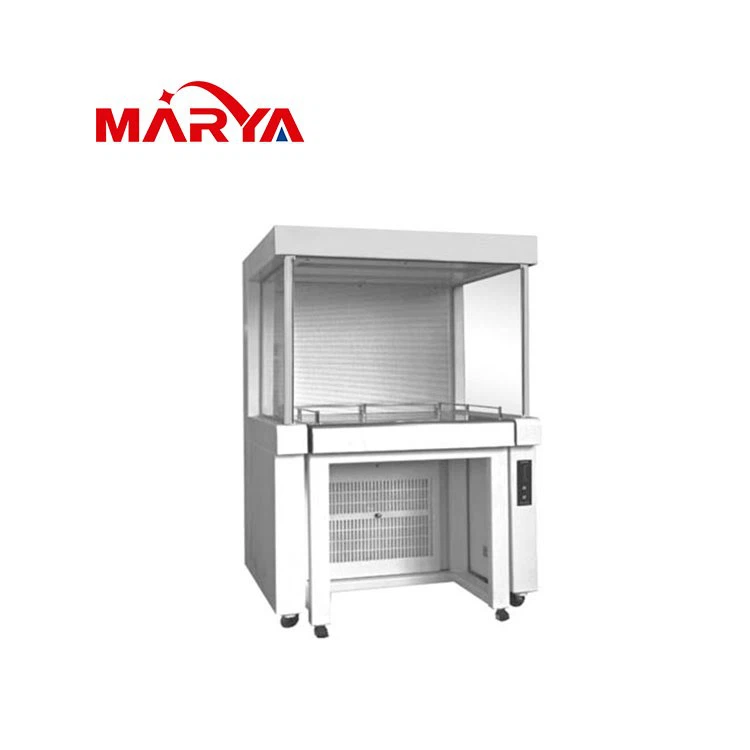
Now, I also wanna mention some related products that might be of interest. If you're into cleanroom systems for electronics manufacturing, you might want to check out HEPA Box, Sampling Booth, and Clean Bench. These products can help in maintaining a clean environment for the production of high - quality automotive electronics components.
In conclusion, BIBO filters definitely have a place in automotive electronics. They can help in improving the performance, reliability, and safety of the various electronic systems in a car. Whether it's filtering out EMI, improving signal quality, or ensuring accurate sensor data processing, BIBO filters are a valuable tool in the automotive industry.
If you're in the automotive electronics business and are looking for high - quality BIBO filters, I'd love to have a chat with you. We can discuss your specific requirements and see how our filters can fit into your applications. Don't hesitate to reach out and start a conversation about procurement. Let's work together to make automotive electronics even better!
References
- "Electromagnetic Compatibility in Automotive Electronics" by some industry experts
- "Filter Design for Signal Processing in Automotive Systems" from a technical journal