

Can a Cleanroom Floor be Used in a Cleanroom with Temperature - Sensitive Products?
As a cleanroom floor supplier, I've encountered numerous inquiries regarding the compatibility of cleanroom floors with cleanrooms housing temperature - sensitive products. This topic is of utmost importance as maintaining the right environment for temperature - sensitive items is crucial in various industries, such as pharmaceuticals, electronics, and biotechnology.
The Significance of Temperature Control in Cleanrooms
Cleanrooms are designed to control environmental factors like particle contamination, humidity, and temperature. When dealing with temperature - sensitive products, temperature control becomes a top priority. Even slight temperature fluctuations can have a detrimental impact on the quality, stability, and functionality of these products. For example, in the pharmaceutical industry, vaccines and certain medications need to be stored and processed within a very narrow temperature range to maintain their efficacy. In electronics manufacturing, temperature variations can cause components to expand or contract, leading to malfunctions or reduced product lifespan.

Characteristics of Cleanroom Floors
Cleanroom floors are engineered to meet specific requirements. They are typically made from materials that are resistant to chemicals, easy to clean, and have low particle generation. Common types of cleanroom floors include Cleanroom Epoxy Floor, which is known for its durability and smooth finish, and vinyl floors, which offer flexibility and good anti - static properties.
These floors are designed to contribute to the overall cleanliness of the cleanroom by preventing the accumulation of dust and contaminants. However, their ability to withstand temperature variations and their impact on the temperature regulation within the cleanroom are also important considerations.
Impact of Temperature on Cleanroom Floors
Different cleanroom floor materials respond differently to temperature changes. For instance, epoxy floors can be affected by extreme temperatures. At high temperatures, epoxy may become soft and lose its hardness, which can lead to surface damage and reduced resistance to wear and tear. On the other hand, at low temperatures, epoxy may become brittle and more prone to cracking.
Vinyl floors are generally more flexible than epoxy floors, but they can also be affected by temperature. High temperatures can cause vinyl to expand and potentially lift at the edges, while low temperatures can make it stiff and less forgiving to foot traffic.
Compatibility of Cleanroom Floors with Temperature - Sensitive Environments
When considering using a cleanroom floor in a cleanroom with temperature - sensitive products, several factors need to be evaluated:
- Thermal Conductivity: The thermal conductivity of the floor material determines how quickly it can transfer heat. A floor with high thermal conductivity can help in maintaining a more uniform temperature distribution within the cleanroom. However, if the floor conducts heat too quickly, it may also lead to rapid temperature changes when the external environment fluctuates.
- Thermal Expansion and Contraction: As mentioned earlier, different materials expand and contract at different rates with temperature changes. It is essential to choose a floor material that has a low coefficient of thermal expansion to minimize the risk of floor damage and ensure a stable surface.
- Insulation Properties: In some cases, a floor with good insulation properties may be beneficial. Insulated floors can help reduce heat transfer between the cleanroom and the underlying structure, which can contribute to better temperature control.
Role of HVAC Systems in Conjunction with Cleanroom Floors
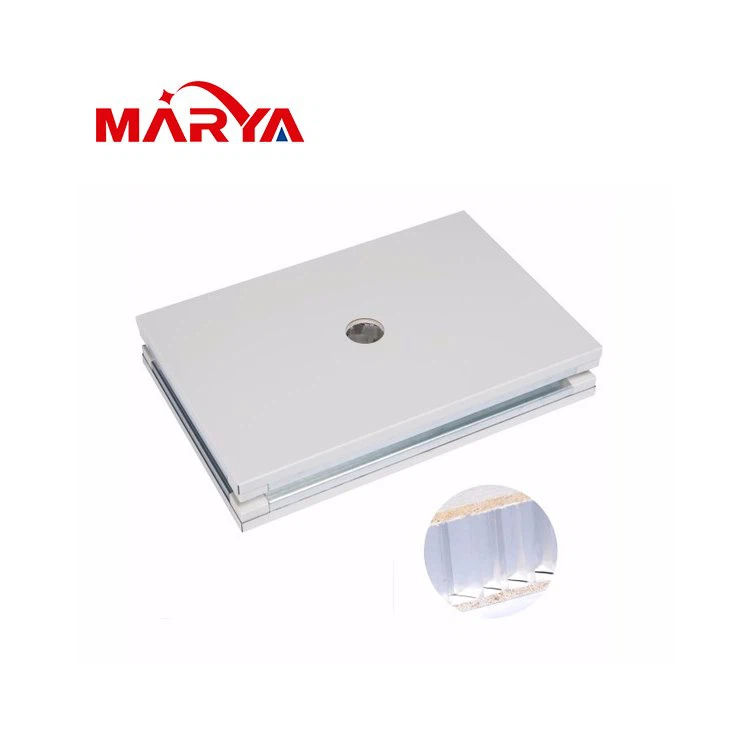
The Hvac Cleanrrom Sandwich Panel is an integral part of the cleanroom's temperature - control system. HVAC systems are responsible for regulating the temperature, humidity, and air circulation within the cleanroom. A well - designed HVAC system can work in tandem with the cleanroom floor to maintain a stable environment.
For example, if the floor has high thermal conductivity, the HVAC system can adjust the air temperature more effectively to counteract any heat transfer through the floor. Similarly, if the floor has good insulation properties, the HVAC system may require less energy to maintain the desired temperature.
Case Studies
Let's look at a few case studies to illustrate the importance of choosing the right cleanroom floor for temperature - sensitive cleanrooms.
Case Study 1: Pharmaceutical Manufacturing
A pharmaceutical company was experiencing issues with temperature variations in their cleanroom where they were producing temperature - sensitive vaccines. The original cleanroom floor was made of a material with high thermal conductivity, which was causing rapid heat transfer from the underlying concrete slab. As a result, the temperature in the cleanroom was difficult to control, and the quality of the vaccines was at risk.
After consulting with our team, the company decided to replace the floor with a Clean Room Sandwich Panel - based floor system. This new floor had better insulation properties, which reduced the heat transfer from the slab. In addition, the HVAC system was optimized to work with the new floor. As a result, the temperature in the cleanroom became more stable, and the quality of the vaccines improved significantly.
Case Study 2: Electronics Assembly
An electronics manufacturer was having problems with component failures due to temperature variations in their cleanroom. The vinyl floor in the cleanroom was expanding and contracting with temperature changes, causing uneven surfaces and potential damage to the delicate electronic components.
We recommended a custom - engineered epoxy floor with a low coefficient of thermal expansion. This floor was able to withstand the temperature variations without significant expansion or contraction. After the installation of the new floor, the temperature stability in the cleanroom improved, and the rate of component failures decreased.
Conclusion
In conclusion, a cleanroom floor can be used in a cleanroom with temperature - sensitive products, but careful consideration must be given to the floor material and its properties. The right floor material can contribute to better temperature control, which is essential for the quality and integrity of temperature - sensitive products.
As a cleanroom floor supplier, we understand the importance of providing solutions that meet the specific needs of our customers. Our team of experts can help you choose the most suitable cleanroom floor for your temperature - sensitive cleanroom, taking into account factors such as thermal conductivity, thermal expansion, and insulation properties.
If you are in the process of setting up or upgrading a cleanroom for temperature - sensitive products, we encourage you to reach out to us for a consultation. We are committed to providing high - quality cleanroom floors and comprehensive support to ensure the success of your cleanroom operations.
References
- ASTM International. (20XX). Standards related to cleanroom materials and temperature control.
- Cleanroom Technology Journal. (20XX). Articles on cleanroom floor performance in temperature - sensitive environments.
- Pharmaceutical Manufacturing Association. (20XX). Guidelines for temperature control in pharmaceutical cleanrooms.