

In the realm of clean room construction, the choice of materials for clean room doors is a critical decision that can significantly impact the overall functionality and efficiency of the facility. As a clean room door supplier, I've dived deep into understanding the various materials used in crafting these essential components. So, let's have a chat about what goes into making a top - notch clean room door.
Stainless Steel
One of the most popular materials for clean room doors is stainless steel. It's a real workhorse in the clean room industry, and it's not hard to see why. Stainless steel is incredibly durable. It can withstand the wear and tear of regular use in a clean room environment, where there's often a lot of foot traffic and equipment movement.
The corrosion - resistant properties of stainless steel are also a huge plus. Clean rooms are often subject to various cleaning agents and disinfectants, and stainless steel can handle these chemicals without getting damaged. This means that the door will maintain its integrity over time, reducing the need for frequent replacements.
Another benefit is its ease of cleaning. In a clean room, maintaining a high level of hygiene is crucial. Stainless steel surfaces are smooth and non - porous, which makes it easy to wipe down and remove any contaminants. This helps in keeping the clean room environment free from dust, bacteria, and other particles.
Aluminum
Aluminum is another material that's widely used in clean room doors. It has a great strength - to - weight ratio, which means it's lightweight yet still strong enough to provide proper structural support. This makes it easier to install and operate the doors, especially for larger or sliding doors.
Aluminum is also resistant to corrosion, similar to stainless steel. It forms a natural oxide layer on its surface that protects it from rust and other forms of degradation. This makes it suitable for clean rooms where moisture or humidity might be a concern.
In addition, aluminum is a good conductor of heat. In some clean room applications, temperature control is essential. The heat - conducting properties of aluminum can help in maintaining a stable temperature within the clean room by transferring heat more efficiently.
Glass
Glass is a material that offers both functionality and aesthetics in clean room doors. Clear glass doors allow for visibility into and out of the clean room, which can be beneficial for monitoring activities without having to enter or exit the room. This can help in maintaining the cleanliness of the environment by reducing unnecessary traffic.
Tempered glass is often used in clean room applications because it's stronger and safer than regular glass. In case of breakage, tempered glass will shatter into small, relatively harmless pieces rather than large, sharp shards. This reduces the risk of injury and makes it easier to clean up the broken glass without contaminating the clean room.
Plus, glass is easy to clean and disinfect, which is in line with the strict hygiene requirements of clean rooms. It can be wiped down with common cleaning agents to maintain a clear and contamination - free surface.
Composite Materials
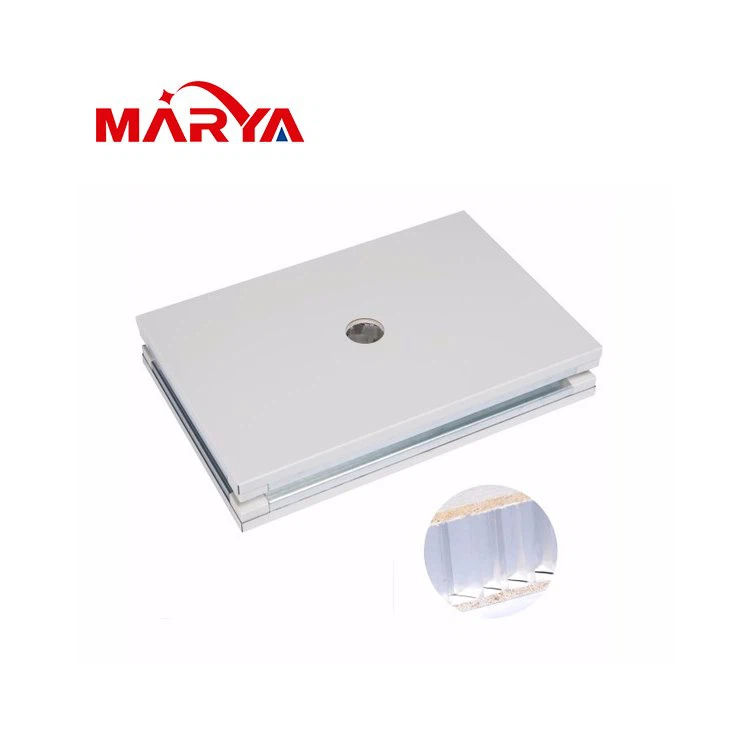
Composite materials, like the Clean Room Sandwich Panel, are becoming increasingly popular for clean room doors. These panels typically consist of two outer layers and a core material. The outer layers can be made of materials like stainless steel, aluminum, or plastic, while the core can be insulation, foam, or other lightweight materials.
The advantage of composite materials is that they can combine the best properties of different materials. For example, the outer layer can provide strength and durability, while the core can offer insulation and noise reduction. This makes the clean room doors more energy - efficient and quiet, which is beneficial for both the occupants and the operation of sensitive equipment in the clean room.
PVC Coated Materials
PVC (Polyvinyl Chloride) coated materials are also used in clean room doors. PVC provides a smooth, easy - to - clean surface that is resistant to chemicals and moisture. It can be applied to various base materials, such as metal or wood, to enhance their performance in a clean room environment.
The PVC coating also acts as a barrier against dust and dirt, preventing them from sticking to the door surface. This makes it ideal for clean rooms where maintaining a dust - free environment is of utmost importance.
Choosing the Right Materials for Your Needs
When it comes to selecting the materials for clean room doors, several factors need to be considered. The type of clean room, its intended use, and the level of cleanliness required are all important considerations.
For example, in a pharmaceutical clean room, where strict contamination control is necessary, stainless steel or glass doors might be the best choice due to their easy - to - clean and non - porous surfaces. In an electronics clean room, where electrostatic discharge (ESD) protection is crucial, special ESD - compliant materials might be required.
The design of the clean room door also plays a role in material selection. Sliding Door mechanisms, for instance, might require materials that are lightweight and easy to move, such as aluminum or composite materials.
The Importance of Flooring Compatibility
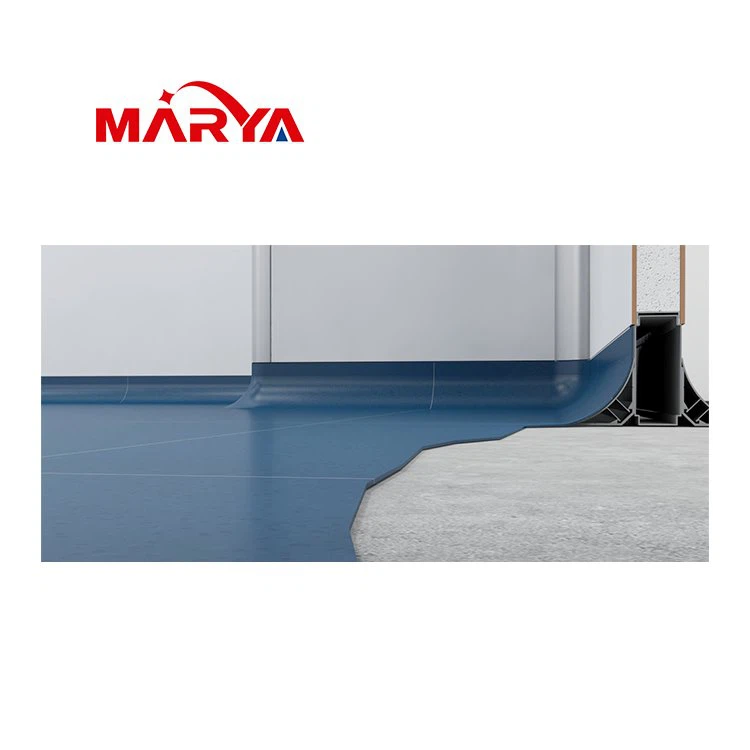
Don't forget about the flooring. The Cleanroom PVC Floor needs to be compatible with the materials used for the clean room doors. For example, if you have a PVC - coated door, a PVC floor can provide a seamless transition and a consistent look. Moreover, the flooring and doors should work together to prevent the ingress of dust and contaminants into the clean room.
Let's Talk
As a clean room door supplier, I've seen firsthand the impact that the right materials can have on the performance of a clean room. Whether you're building a new clean room or upgrading an existing one, choosing the appropriate materials for your doors is essential.
If you're in the market for high - quality clean room doors and want to discuss the best materials for your specific needs, I'm here to help. Reach out to me, and we can start a conversation about how to create the perfect clean room door solution for your facility.
References
- "Clean Room Design and Operation" by Clean Room Technology Institute
- "Materials for Clean Room Applications" in Journal of Advanced Clean Room Science