

As a seasoned supplier of cleanroom windows, I've witnessed firsthand the critical role that airtightness plays in the functionality and efficiency of cleanroom environments. Cleanrooms are specialized spaces designed to maintain extremely low levels of pollutants such as dust, airborne microbes, aerosol particles, and chemical vapors. The airtightness of cleanroom windows is a fundamental aspect that directly impacts the ability to achieve and sustain these stringent environmental conditions.
Understanding Airtightness in Cleanrooms
Airtightness refers to the degree to which a window prevents the leakage of air between the inside and outside of the cleanroom. In a cleanroom setting, even the slightest air leakage can introduce contaminants, disrupt the desired air pressure differentials, and compromise the overall cleanliness of the environment. Therefore, achieving a high level of airtightness is essential for the proper operation of cleanrooms across various industries, including pharmaceuticals, electronics, biotechnology, and healthcare.
The airtightness of cleanroom windows is typically measured in terms of air permeability, which is the rate of air leakage through a given area of the window under specific pressure differentials. This measurement is usually expressed in cubic meters per hour per square meter of window area (m³/h·m²) at a specified pressure difference, such as 10 Pa or 50 Pa. The lower the air permeability value, the better the airtightness of the window.
Factors Affecting the Airtightness of Cleanroom Windows
Several factors can influence the airtightness of cleanroom windows. One of the most critical factors is the quality of the window frame and glazing materials. High-quality frames made from materials such as aluminum or stainless steel, which are corrosion-resistant and have low thermal conductivity, can provide a stable and airtight seal. Additionally, the glazing materials, such as tempered glass or polycarbonate, should be properly installed and sealed to prevent air leakage.
The design and construction of the window also play a significant role in its airtightness. Windows with a tight-fitting sash and a well-designed gasket system can effectively prevent air leakage. The gasket material should be selected based on its compatibility with the cleanroom environment, including resistance to chemicals, temperature variations, and microbial growth.
Proper installation is another crucial factor in ensuring the airtightness of cleanroom windows. Even the highest-quality windows can have poor airtightness if they are not installed correctly. The installation process should follow strict guidelines and standards to ensure that the windows are properly aligned, sealed, and secured. Any gaps or voids around the window frame should be filled with appropriate sealants to prevent air leakage.
Importance of Airtightness in Cleanroom Applications
The airtightness of cleanroom windows is of utmost importance in maintaining the integrity and functionality of cleanroom environments. In pharmaceutical manufacturing, for example, a high level of airtightness is necessary to prevent the ingress of contaminants that could compromise the quality and safety of the products. Similarly, in electronics manufacturing, airtight windows help to protect sensitive electronic components from dust and other airborne particles that could cause malfunctions or failures.
In addition to preventing the ingress of contaminants, airtight windows also play a crucial role in maintaining the desired air pressure differentials within the cleanroom. Cleanrooms are typically designed to have a positive pressure relative to the surrounding areas to prevent the entry of unfiltered air. Airtight windows help to maintain this pressure differential by preventing air leakage, which is essential for the proper operation of the cleanroom ventilation system.
Furthermore, airtight windows can contribute to energy efficiency in cleanroom facilities. By reducing air leakage, they help to minimize the amount of conditioned air that is lost, which can result in significant energy savings over time. This is particularly important in cleanrooms that require continuous air conditioning and ventilation to maintain the desired environmental conditions.
Our Cleanroom Window Solutions
As a leading supplier of cleanroom windows, we understand the importance of airtightness in cleanroom applications. That's why we offer a wide range of high-quality cleanroom windows that are designed to meet the most stringent airtightness requirements. Our windows are made from the finest materials and are manufactured using advanced techniques to ensure a tight and durable seal.
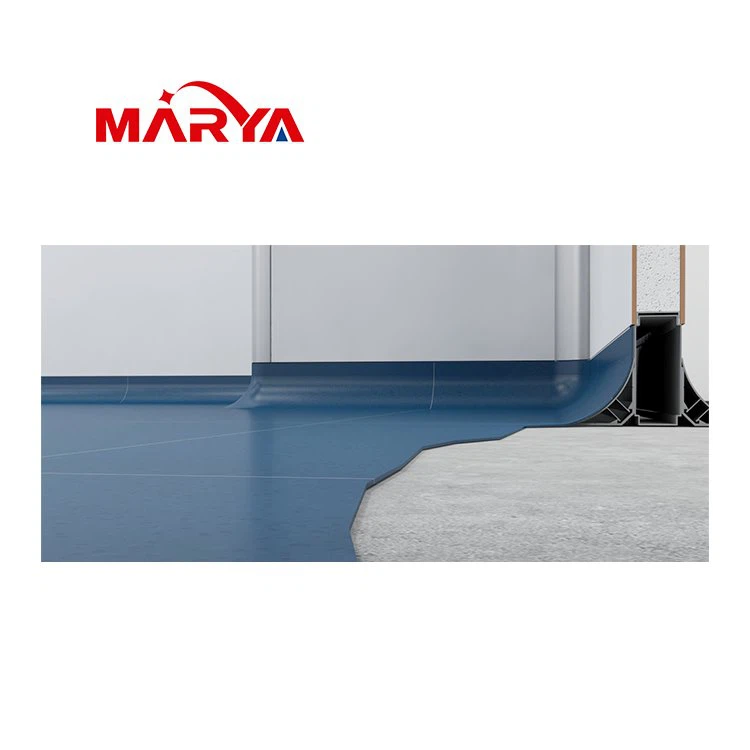

We offer a variety of window styles and configurations to suit different cleanroom requirements, including fixed windows, hinged windows, and sliding windows. All of our windows are available with a range of glazing options, including clear glass, tinted glass, and laminated glass, to provide the optimal level of visibility, protection, and energy efficiency.
In addition to our standard cleanroom windows, we also offer custom-designed solutions to meet the specific needs of our customers. Our team of experienced engineers and designers can work with you to develop a window solution that is tailored to your cleanroom environment, including the size, shape, and airtightness requirements.
Related Cleanroom Products
In addition to cleanroom windows, we also offer a range of other cleanroom products to help you create a complete and functional cleanroom environment. Our Cleanroom Floor solutions are designed to provide a smooth, durable, and easy-to-clean surface that is resistant to chemicals, abrasion, and microbial growth. We also offer Cleanroom PVC Floor options that are specifically designed for cleanroom applications, providing excellent anti-static properties and resistance to impact and wear.
For cleanroom access control, we offer a variety of Clean Room Door solutions that are designed to provide a tight seal and prevent the entry of contaminants. Our doors are available in a range of styles and configurations, including swing doors, sliding doors, and automatic doors, to suit different cleanroom requirements.
Contact Us for Cleanroom Window Solutions
If you are in need of high-quality cleanroom windows or other cleanroom products, we invite you to contact us for more information. Our team of experts is available to answer your questions, provide technical support, and help you select the right products for your cleanroom environment. We are committed to providing our customers with the highest level of service and quality, and we look forward to working with you to create a cleanroom that meets your specific needs.
References
- ISO 14644-1:2015, Cleanrooms and associated controlled environments - Part 1: Classification of air cleanliness.
- ASTM E283-17, Standard Test Method for Determining Rate of Air Leakage Through Exterior Windows, Curtain Walls, and Doors Under Specified Pressure Differences Across the Specimen.
- ASHRAE Handbook - HVAC Systems and Equipment, 2016.