

Hey there! I'm a supplier of VHP Generators, and today I want to chat about the air intake requirement of a VHP Generator.
First off, let's quickly understand what a VHP Generator is. A VHP (Vaporized Hydrogen Peroxide) Generator is a crucial piece of equipment in many industries, especially in cleanroom environments. It's used to generate vaporized hydrogen peroxide, which is an effective sterilant for killing a wide range of microorganisms like bacteria, viruses, and fungi. You can check out more about VHP Generators here.
Now, onto the air intake requirement. The air intake of a VHP Generator is super important because it plays a key role in the proper functioning of the generator. The air that's taken in serves several purposes.
One of the main functions of the air intake is to provide the necessary oxygen for the chemical reactions that take place inside the generator. When hydrogen peroxide is vaporized, oxygen is involved in the process. Without an adequate supply of oxygen through the air intake, the vaporization process might not work efficiently. This could lead to incomplete vaporization of the hydrogen peroxide, which means the sterilization effectiveness could be compromised.
The air intake also helps in carrying the vaporized hydrogen peroxide throughout the area that needs to be sterilized. Once the hydrogen peroxide is vaporized inside the generator, it needs to be dispersed evenly. The incoming air acts as a carrier for the vapor, ensuring that it reaches all the nooks and crannies of the cleanroom or the targeted space.
Another aspect related to the air intake is the quality of the air. The air that enters the VHP Generator should be clean and free from contaminants. If the air contains dust, particles, or other impurities, these can clog the internal components of the generator. This not only reduces the lifespan of the generator but can also affect the purity of the vaporized hydrogen peroxide. For example, if there are dust particles in the air intake, they might mix with the hydrogen peroxide vapor and deposit on the surfaces that are supposed to be sterilized. This defeats the purpose of using a VHP Generator in the first place.
So, what are the specific requirements for the air intake?
Airflow Rate
The airflow rate is a critical parameter. It needs to be carefully calibrated according to the size of the VHP Generator and the volume of the area to be sterilized. A too - low airflow rate won't be able to carry the vaporized hydrogen peroxide effectively throughout the space. On the other hand, an overly high airflow rate can cause the vapor to be dispersed too quickly, leading to uneven distribution.
Most VHP Generators come with a recommended airflow rate in their user manuals. As a supplier, I always make sure to provide clear guidelines to my customers about the appropriate airflow rate for their specific applications. This usually involves considering factors like the cubic footage of the cleanroom, the layout of the space, and the type of equipment present inside.
Air Temperature and Humidity
The temperature and humidity of the incoming air also matter. Generally, VHP Generators work best within a certain temperature and humidity range. If the air is too cold, the vaporization process might be slower. And if it's too hot, the hydrogen peroxide might decompose prematurely.
Similarly, humidity can have a significant impact. High humidity levels can cause the hydrogen peroxide vapor to condense, which is not desirable as it can lead to wet surfaces and uneven sterilization. Low humidity levels, on the other hand, might affect the stability of the vapor. So, it's important to control the air temperature and humidity before it enters the VHP Generator. In cleanroom environments, there are often dedicated HVAC (Heating, Ventilation, and Air Conditioning) systems to maintain the optimal temperature and humidity levels.
Air Filtration
As I mentioned earlier, the air needs to be clean. That's where air filtration comes in. A good VHP Generator should have an effective air filtration system at the air intake. This filtration system can remove dust, pollen, and other particulate matter from the incoming air.
There are different types of air filters available, such as HEPA (High - Efficiency Particulate Air) filters. HEPA filters are very efficient at removing particles as small as 0.3 microns. By using a HEPA filter at the air intake of a VHP Generator, you can ensure that the air entering the generator is of high quality. This not only protects the internal components of the generator but also ensures that the vaporized hydrogen peroxide is pure and can perform its sterilization job effectively.
Now, let's talk about how all these air intake requirements tie in with other cleanroom equipment.
In a cleanroom, a VHP Generator often works in conjunction with other equipment like Clean Room Washing Sinks and Clean Benches. The air intake requirements of the VHP Generator need to be coordinated with the overall air circulation and quality management in the cleanroom.
For example, the air that's circulated in the cleanroom by the HVAC system should take into account the air intake needs of the VHP Generator. If the cleanroom has a Clean Room Washing Sink, the water used in the sink can also affect the humidity levels in the room. This, in turn, can impact the air intake requirements of the VHP Generator.
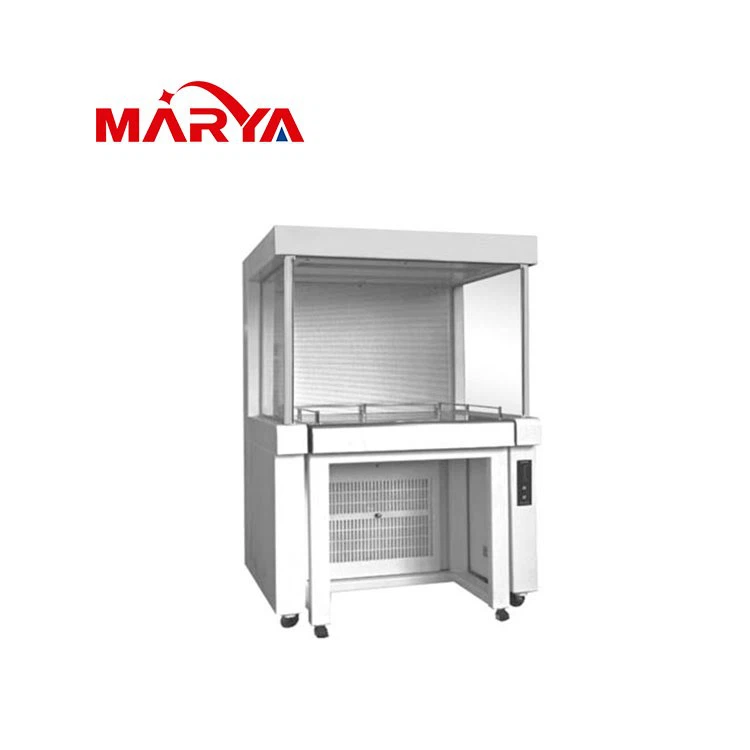
Likewise, a Clean Bench is a work area where sensitive operations are carried out. The air circulation around the Clean Bench should be designed in such a way that it doesn't interfere with the air intake of the VHP Generator. Otherwise, it could disrupt the vaporization and dispersion of the hydrogen peroxide.

As a supplier of VHP Generators, I've seen firsthand how important it is for customers to understand and meet these air intake requirements. If they don't, they might experience issues like poor sterilization results, frequent breakdowns of the generator, and increased maintenance costs.
That's why I'm always available to help my customers. Whether it's providing advice on setting up the right airflow rate, choosing the appropriate air filters, or coordinating the air intake requirements with other cleanroom equipment, I'm here to assist.
If you're in the market for a VHP Generator or have any questions about the air intake requirements, don't hesitate to reach out. I'd be more than happy to have a detailed discussion with you and help you make the best decision for your cleanroom needs. Let's work together to ensure that your cleanroom is effectively sterilized and running smoothly.
References
- Manufacturer's manuals of VHP Generators
- Industry standards for cleanroom equipment and sterilization processes
- Research papers on the use of Vaporized Hydrogen Peroxide in sterilization