

Hey there! As a cleanroom floor supplier, I've gotten tons of questions about the weight-bearing capacities of different cleanroom floors. It's a crucial topic, especially when you're setting up a cleanroom. You need to know which floor can handle the load you'll be putting on it. So, let's dive right in and explore the weight-bearing capacities of various cleanroom floors.
Epoxy Floors
Epoxy floors are super popular in cleanrooms. They're tough, durable, and can be customized to meet different needs. The weight-bearing capacity of epoxy floors can vary depending on a few factors.
First off, the thickness of the epoxy coating matters a lot. A standard epoxy floor with a thickness of about 1/8 inch can usually handle a static load of around 1,000 to 1,500 pounds per square foot. But if you go for a thicker coating, say 1/4 inch or more, the weight-bearing capacity can go up significantly. You might be looking at a static load capacity of 2,000 to 3,000 pounds per square foot or even higher.
Another factor is the type of epoxy used. There are different grades of epoxy, and some are designed to be more heavy-duty than others. For example, industrial-grade epoxy can withstand more weight compared to standard residential-grade epoxy.
Epoxy floors are great for cleanrooms where you have light to medium equipment. They're also easy to clean and maintain, which is a big plus in a cleanroom environment. If you're interested in learning more about other cleanroom materials like Cleanroom Panel, click on the link.
Vinyl Floors
Vinyl floors are another option for cleanrooms. They're known for being flexible, comfortable to walk on, and relatively easy to install. When it comes to weight-bearing capacity, vinyl floors are generally on the lower end compared to epoxy floors.
A typical vinyl floor in a cleanroom can handle a static load of about 500 to 1,000 pounds per square foot. This makes them suitable for cleanrooms where the equipment is not too heavy. For example, in a cleanroom used for electronics assembly where you have small components and light machinery, vinyl floors can work just fine.
However, if you have heavy equipment or a lot of foot traffic, vinyl floors might not be the best choice. Over time, the weight can cause the vinyl to wear out or even crack. But they do have some advantages. They're resistant to chemicals and moisture, which is important in a cleanroom. And if you're looking for a cleanroom door to go with your vinyl floor, check out Clean Room Door.
Concrete Floors
Concrete floors are the heavyweights when it comes to weight-bearing capacity. They're extremely strong and can handle a huge amount of weight. A well-constructed concrete floor in a cleanroom can have a static load capacity of 5,000 pounds per square foot or more.
This makes concrete floors ideal for cleanrooms where you have large, heavy equipment like industrial ovens, large manufacturing machines, or storage racks filled with heavy materials. Concrete floors are also very durable and can last for a long time with proper maintenance.
But there are some downsides. Concrete floors can be expensive to install, especially if you need to pour a thick slab. They're also not as easy to clean as epoxy or vinyl floors, and they can be prone to cracking if the ground beneath them shifts. If you're considering a concrete floor, you might also want to look into Clean Room Sandwich Panel for the walls of your cleanroom.
Raised Floors
Raised floors are a bit different. They consist of a grid of support structures with removable floor panels on top. The weight-bearing capacity of raised floors depends on the design and the materials used.
A standard raised floor in a cleanroom can handle a static load of around 1,000 to 2,000 pounds per square foot. However, there are heavy-duty raised floors available that can handle much more. These are often used in data centers or cleanrooms where you have a lot of server racks and other heavy equipment.
One of the advantages of raised floors is that they provide easy access to the space beneath for wiring, plumbing, and ventilation. This can be very useful in a cleanroom where you need to make changes or repairs without disrupting the entire floor.
Factors Affecting Weight-Bearing Capacity
It's not just the type of floor that affects the weight-bearing capacity. There are other factors to consider as well.
The subfloor is crucial. If the subfloor is not properly prepared or is weak, it can reduce the overall weight-bearing capacity of the floor. For example, if the ground beneath a concrete floor is soft or unstable, the concrete might crack under heavy loads.
The installation method also matters. A poorly installed floor, whether it's epoxy, vinyl, or concrete, might not perform as well as it should. It's important to hire a professional installer who has experience with cleanroom floors.
The distribution of the load is another factor. If the weight is concentrated in one area, it can put more stress on the floor compared to a evenly distributed load. So, when you're placing equipment in your cleanroom, try to spread it out as much as possible.
Choosing the Right Floor
So, how do you choose the right cleanroom floor based on the weight-bearing capacity? Well, it depends on your specific needs.
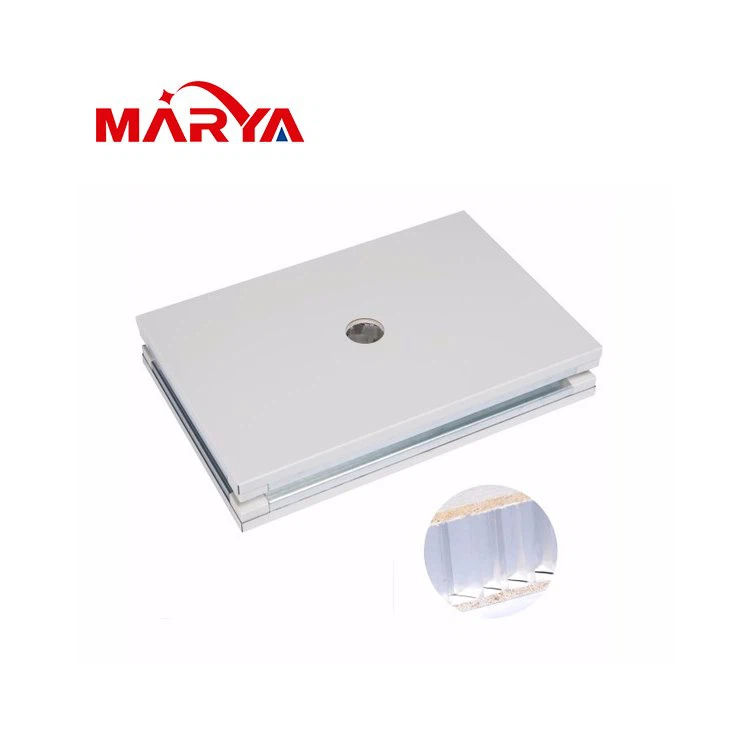

First, make a list of all the equipment and materials that will be in your cleanroom. Determine the weight of each item and how it will be distributed. This will give you an idea of the load that the floor will need to handle.
If you have heavy equipment, like large manufacturing machines or storage racks, a concrete floor or a heavy-duty raised floor might be the best choice. For light to medium equipment, epoxy or vinyl floors could work.
Also, consider other factors like cost, maintenance, and cleanliness. You want a floor that not only can handle the weight but also fits within your budget and is easy to keep clean.
Conclusion
In conclusion, the weight-bearing capacity of different cleanroom floors varies widely. Epoxy floors are great for light to medium loads, vinyl floors are suitable for lighter equipment, concrete floors can handle heavy loads, and raised floors offer flexibility and access.
As a cleanroom floor supplier, I'm here to help you choose the right floor for your needs. Whether you need more information about the weight-bearing capacity, installation, or maintenance, feel free to reach out. If you're ready to start the process of setting up your cleanroom and need to make a purchase, don't hesitate to contact me for a detailed discussion and a customized solution.
References
- "Cleanroom Flooring: A Guide to Selection and Installation" - Industry Report
- "Handbook of Cleanroom Technology" - Academic Publication