

Hey there! As a supplier of clean room materials, I've seen firsthand how these materials play a crucial role in the food industry. Clean room materials are designed to maintain a controlled environment by minimizing contaminants like dust, microbes, and chemical vapors. In the food industry, where hygiene and safety are paramount, these materials are a game - changer.
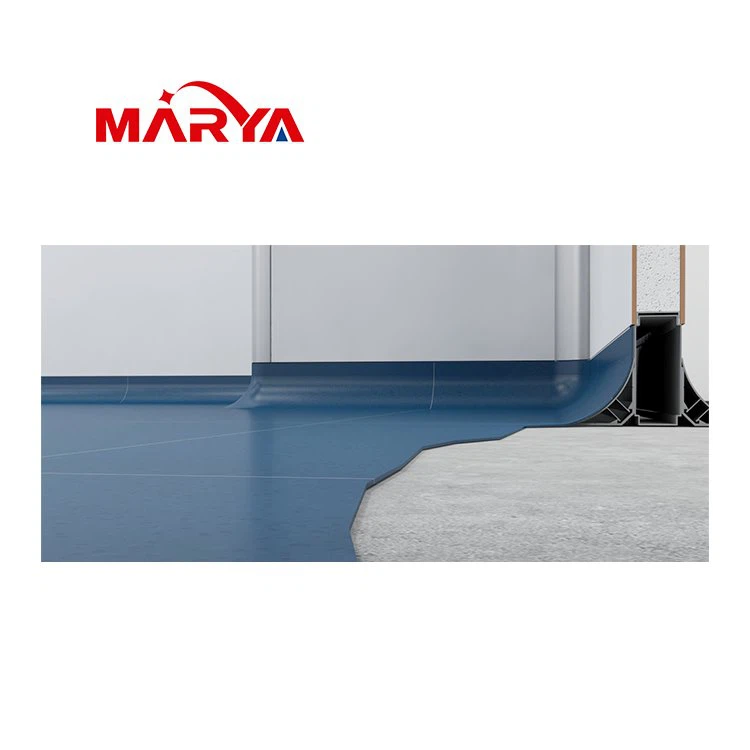
Let's start with the floors. The Cleanroom PVC Floor is a popular choice. In a food processing facility, floors take a beating. They're constantly exposed to spills, foot traffic, and heavy equipment. PVC floors are extremely durable. They can withstand the weight of large machinery and resist damage from sharp objects. This means less downtime for floor repairs, which is a huge plus for food production lines.
Moreover, PVC floors are non - porous. This characteristic is vital in the food industry because it prevents liquids, such as water, oil, or food residues, from seeping into the floor. When liquids penetrate the floor, they can create breeding grounds for bacteria and mold. With a non - porous PVC floor, cleaning is a breeze. You can simply wipe up spills and use a mild disinfectant to keep the floor clean and sanitized. This helps in maintaining the high - level of hygiene required in food processing.
Another important aspect of PVC floors is their anti - slip properties. In a food processing area, the floors can get wet due to cleaning or product spills. A slippery floor poses a significant safety hazard to workers. Slip and fall accidents can lead to serious injuries, which not only harm the employees but also result in lost work hours and potential legal issues. Cleanroom PVC floors are engineered to provide good traction, even when wet, reducing the risk of accidents.
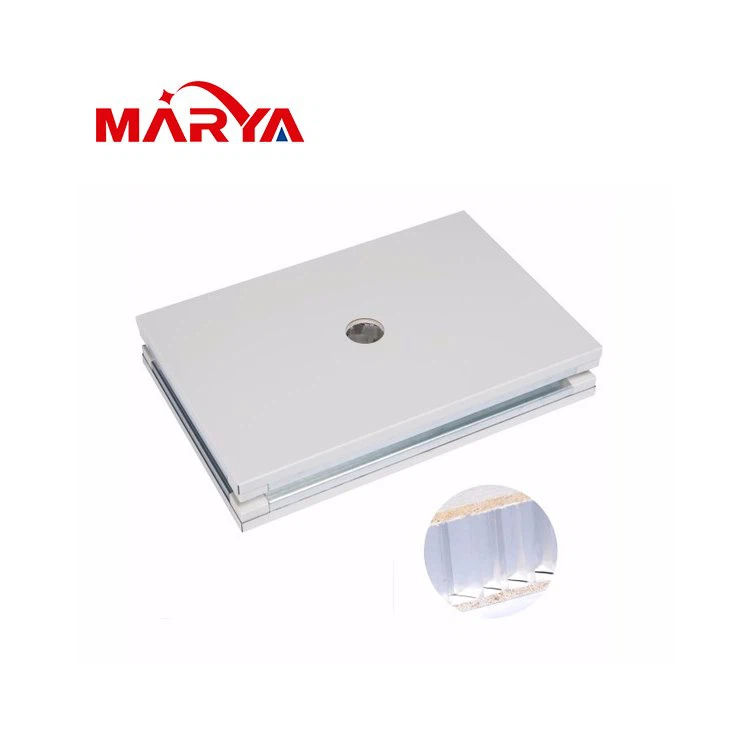
Moving on to the walls, the Clean Room Sandwich Panel is a staple in food industry clean rooms. These panels are made up of two outer layers and an insulating core. The outer layers are usually made of materials like stainless steel or high - pressure laminate, which are easy to clean and resistant to corrosion.
In a food production environment, walls need to be free of cracks and crevices where dirt and bacteria can accumulate. Clean Room Sandwich Panels are installed with smooth joints, eliminating those hard - to - reach areas. This makes it easier to perform thorough cleaning and disinfection. The insulating core in the sandwich panels also helps in maintaining a stable temperature within the clean room. Temperature control is essential in the food industry as different food products require specific storage and processing temperatures to prevent spoilage.
These panels are also fire - resistant. In a facility where there are various electrical equipment and potential ignition sources, fire safety is of utmost importance. The fire - resistant property of Clean Room Sandwich Panels can help contain a fire in case of an emergency, protecting the food products, equipment, and most importantly, the workers.
Now, let's talk about the windows. The Cleanroom Window is not just for letting in light. In a food industry clean room, windows need to be made of high - quality materials that can maintain the integrity of the clean environment. Cleanroom windows are typically made of tempered glass, which is strong and resistant to breakage.
Visibility through the windows is crucial for monitoring the production process. Workers can observe different areas of the clean room without having to enter, reducing the risk of introducing contaminants. The glass used in cleanroom windows is also treated to prevent the growth of bacteria and fungi. This is important because any microbial growth on the windows can spread to the food products.
In addition to the above - mentioned materials, air filtration systems are also an integral part of a clean room in the food industry. These systems are designed to remove airborne particles, including dust, pollen, and microorganisms. High - efficiency particulate air (HEPA) filters are commonly used in food industry clean rooms. They can trap particles as small as 0.3 microns with a high efficiency rate.
Proper air filtration is essential for preventing cross - contamination between different food products. For example, in a facility that processes both raw and cooked foods, air filtration helps to ensure that no bacteria or other contaminants from the raw food area are carried over to the cooked food area. This is crucial for maintaining food safety and quality.
Another application of clean room materials in the food industry is in packaging areas. Clean room conditions are necessary to ensure that the food packaging materials are free from contaminants. Packaging materials, such as plastic films, cartons, and cans, need to be stored and handled in a clean environment to prevent the transfer of dirt, bacteria, or chemicals to the food products.
Clean room materials can also be used in research and development facilities within the food industry. When developing new food products or improving existing ones, scientists need a controlled environment to conduct accurate experiments. Clean room materials help to maintain a stable and clean environment, free from external factors that could affect the results of the experiments.
In the area of food storage, clean room materials can be used to create controlled storage environments. For example, in cold storage facilities, using clean room panels can help to maintain a consistent temperature and humidity level. This is important for preserving the quality and shelf - life of food products.
As you can see, clean room materials have a wide range of applications in the food industry. They are essential for ensuring food safety, maintaining product quality, and protecting the health of consumers. If you're in the food industry and looking to upgrade your clean room or build a new one, I'd love to have a chat with you. I can help you choose the right clean room materials based on your specific needs and budget. Whether it's a small - scale food processing unit or a large - scale food production facility, I've got the expertise and the products to meet your requirements. So, don't hesitate to reach out and let's start a conversation about how we can make your clean room the best it can be!
References
- "Cleanroom Technology in the Food Industry" by various authors, a collection of research papers on clean room applications in food production.
- "Food Safety and Cleanroom Design" published by a leading food industry research institute, which details the importance of clean room materials in ensuring food safety.