

Hey there! As a supplier of cleanroom floors, I've seen firsthand how crucial it is to have a slip-resistant floor in a cleanroom environment. Cleanrooms are used in a variety of industries, from pharmaceuticals to electronics, and a slip-resistant floor can prevent accidents and ensure the safety of workers. In this blog post, I'll share some tips on how to ensure the slip-resistance of a cleanroom floor.
Understanding the Importance of Slip Resistance in Cleanrooms
First off, let's talk about why slip resistance is so important in cleanrooms. Cleanrooms are designed to maintain a controlled environment, free from contaminants like dust, dirt, and microbes. However, these same factors can also make the floors slippery. For example, cleaning agents used to keep the cleanroom sterile can leave a residue on the floor, making it slick. Also, workers in cleanrooms often wear special shoes that may not have the best grip on smooth surfaces.
A slip and fall accident in a cleanroom can have serious consequences. It can lead to injuries for the workers, which not only affects their well - being but can also result in lost work hours and increased insurance costs for the company. Additionally, an accident can disrupt the cleanroom operations, potentially contaminating the products being manufactured.
Choosing the Right Floor Material
One of the first steps in ensuring slip resistance is choosing the right floor material. There are several options available for cleanroom floors, and each has its own characteristics when it comes to slip resistance.
PVC Flooring
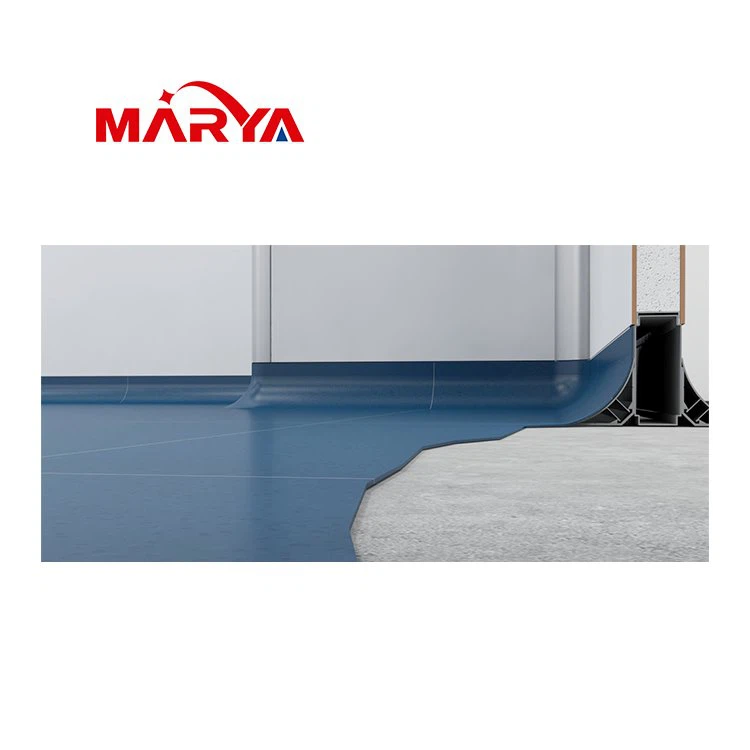
Cleanroom PVC Floor is a popular choice for cleanrooms. PVC floors can be designed with a textured surface that provides good slip resistance. They are also resistant to chemicals, which is important in a cleanroom where various cleaning agents and solvents are used. The texture on the PVC floor can be micro - textured or have a more pronounced pattern, depending on the level of slip resistance required.
Rubber Flooring
Rubber floors are another option. They are naturally slip - resistant due to their soft and flexible nature. Rubber has a high coefficient of friction, which means it provides good traction. It can also withstand heavy foot traffic and is resistant to wear and tear. However, rubber floors need to be properly maintained to keep their slip - resistant properties.
Epoxy Flooring
Epoxy floors can be made slip - resistant by adding an aggregate or anti - slip additive during the installation process. This creates a rough surface that helps prevent slips. Epoxy is also durable and resistant to chemicals, making it suitable for cleanroom environments.
Surface Treatment and Finishes
In addition to choosing the right material, surface treatment and finishes can play a big role in enhancing slip resistance.
Anti - Slip Coatings
Applying an anti - slip coating to the floor is a cost - effective way to improve slip resistance. These coatings contain abrasive particles that increase the friction between the floor and the shoes. There are different types of anti - slip coatings available, including water - based and solvent - based coatings. When applying an anti - slip coating, it's important to follow the manufacturer's instructions carefully to ensure proper adhesion and performance.
Texturing
Some floor materials can be textured during the manufacturing process or after installation. For example, PVC floors can be embossed with a pattern that provides better grip. Texturing can be done in a variety of patterns, such as diamond patterns or cross - hatches. The key is to create enough surface irregularities to increase friction without making the floor too rough or difficult to clean.
Proper Cleaning and Maintenance
Cleaning and maintenance are essential for maintaining the slip - resistance of a cleanroom floor.
Regular Cleaning
Regular cleaning helps remove dirt, dust, and other contaminants that can make the floor slippery. However, it's important to use the right cleaning methods and products. Harsh chemicals or abrasive cleaners can damage the floor surface and reduce its slip - resistant properties. Instead, use mild, pH - neutral cleaners that are specifically formulated for cleanroom floors.
Drying
After cleaning, make sure the floor is thoroughly dried. Wet floors are much more slippery than dry ones. Use fans or dry mops to speed up the drying process. In areas where spills are common, have a system in place to quickly clean up and dry the area.

Inspection and Repair
Regularly inspect the floor for signs of wear, damage, or loss of slip resistance. If you notice any areas that are becoming too smooth or damaged, repair or replace them as soon as possible. For example, if the anti - slip coating on an epoxy floor is wearing off, it may need to be reapplied.
Employee Training
Another important aspect is training employees on the importance of slip safety and proper behavior in the cleanroom.
Safe Walking Practices
Train employees to walk carefully in the cleanroom, especially in areas where the floor may be more slippery, such as near cleaning stations or areas with frequent spills. Encourage them to take smaller steps and use handrails if available.
Shoe Selection
Educate employees about the importance of wearing proper shoes in the cleanroom. Shoes with good traction can significantly reduce the risk of slips. Provide guidelines on the types of shoes that are suitable for the cleanroom environment.
Using Additional Safety Measures
In some cases, additional safety measures can be used to enhance slip resistance.
Floor Mats
Placing floor mats at entrances and high - traffic areas can help trap dirt and moisture, reducing the risk of slips. Make sure the mats are made of a slip - resistant material and are properly secured to the floor to prevent them from shifting.
Signage
Use signage to warn employees about potentially slippery areas. Signs can be placed near cleaning areas, wet floors, or areas where spills are likely to occur.
Conclusion
Ensuring the slip - resistance of a cleanroom floor is a multi - faceted process. It involves choosing the right floor material, applying appropriate surface treatments, maintaining the floor properly, training employees, and using additional safety measures. By taking these steps, you can create a safer cleanroom environment for your workers and reduce the risk of accidents.
If you're in the market for a cleanroom floor or need advice on improving the slip - resistance of your existing floor, don't hesitate to reach out. We're here to help you find the best solution for your cleanroom needs. Whether you're interested in Cleanroom PVC Floor, Clean Room Sandwich Panel, or Cleanroom Window, we've got you covered. Let's have a chat and see how we can make your cleanroom safer and more efficient.
References
- "Cleanroom Flooring: A Guide to Selection and Maintenance", Industry Flooring Journal
- "Slip Resistance in Industrial Environments", Safety Research Institute