

As a supplier of Cleanroom PVC Floor, I understand the critical importance of ensuring proper bonding during installation. A well - bonded Cleanroom PVC Floor not only guarantees a smooth and seamless appearance but also enhances the floor's durability, cleanliness, and overall performance in a cleanroom environment. In this blog, I will share some key steps and considerations to ensure the proper bonding of Cleanroom PVC Floor during installation.
Surface Preparation
The first and most crucial step in ensuring proper bonding is thorough surface preparation. The subfloor must be clean, dry, and level. Any dirt, dust, grease, or other contaminants can prevent the adhesive from adhering properly to the subfloor and the PVC floor.
- Cleaning: Start by sweeping or vacuuming the subfloor to remove loose debris. Then, use a suitable floor cleaner to remove any stubborn dirt or grease. Rinse the floor thoroughly with clean water and allow it to dry completely. This may take several hours or even a day, depending on the humidity and ventilation in the area.
- Leveling: Check the subfloor for any unevenness. A level subfloor is essential for proper bonding and a flat finish. If there are any low spots or humps, they should be filled or ground down using a self - leveling compound or a floor grinder. The maximum allowable deviation from a level surface should be within the manufacturer's specifications, typically around 3mm in 2 meters.
- Moisture Testing: Moisture in the subfloor can cause significant problems for the bonding of PVC flooring. High moisture levels can lead to adhesive failure, mold growth, and delamination of the floor. Use a moisture meter to test the subfloor for moisture content. The moisture level should be within the acceptable range specified by the PVC floor and adhesive manufacturers. If the moisture level is too high, appropriate moisture - mitigation measures, such as installing a moisture barrier, may be required.
Adhesive Selection
Choosing the right adhesive is another key factor in ensuring proper bonding. Different types of PVC floors may require different types of adhesives, and the adhesive must be compatible with the subfloor material and the cleanroom environment.
- Compatibility: Ensure that the adhesive is compatible with the Cleanroom PVC Floor you are installing. Some PVC floors may have specific adhesive requirements due to their composition or surface treatment. Consult the manufacturer's guidelines to select the appropriate adhesive.
- Performance in Cleanroom Environment: Cleanrooms have strict requirements for cleanliness and low particle generation. Choose an adhesive that is designed for use in cleanroom environments and has low volatile organic compound (VOC) emissions. This helps to maintain the air quality in the cleanroom and prevent contamination.
- Adhesive Application Method: Consider the application method of the adhesive. Some adhesives are applied using a trowel, while others may be sprayed or rolled on. The application method can affect the bonding strength and the ease of installation. Choose an adhesive that is easy to apply and provides consistent coverage.
Adhesive Application
Proper adhesive application is essential for achieving a strong and long - lasting bond.
- Mixing: If the adhesive requires mixing, follow the manufacturer's instructions carefully. Use the correct ratio of components and mix them thoroughly to ensure a homogeneous mixture. Improper mixing can result in reduced bonding strength.
- Application Thickness: Apply the adhesive at the recommended thickness. Too thin an application may not provide sufficient bonding strength, while too thick an application can cause excessive drying time and may lead to adhesive oozing out from under the PVC floor. Use a notched trowel to ensure uniform application thickness.
- Open Time: Pay attention to the open time of the adhesive. The open time is the period during which the adhesive remains tacky and can bond effectively with the PVC floor. Install the PVC floor within the open - time window specified by the adhesive manufacturer. If the open time is exceeded, the adhesive may lose its tackiness, and proper bonding may not be achieved.
PVC Floor Installation
Once the adhesive is applied, it's time to install the Cleanroom PVC Floor.

- Rolling Out the Floor: Carefully roll out the PVC floor onto the adhesive - coated subfloor. Start from one end and work your way across, ensuring that the floor lies flat and smooth. Avoid stretching or wrinkling the floor during installation.
- Removing Air Bubbles: As you roll out the floor, use a roller or a floor press to remove any air bubbles trapped between the floor and the adhesive. Start from the center of the floor and roll towards the edges. This helps to ensure full contact between the floor and the adhesive and improves the bonding strength.
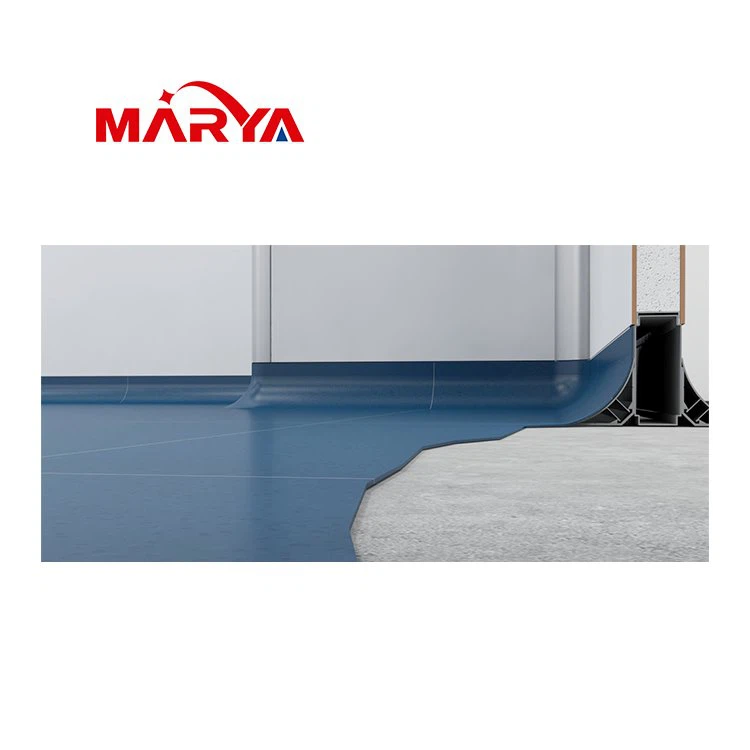
- Seaming: If you need to join multiple pieces of PVC floor, pay special attention to the seaming process. Use a proper seaming technique and seaming tape or adhesive to ensure a tight and seamless joint. A well - sealed seam not only enhances the appearance of the floor but also prevents the ingress of dirt and moisture.
Post - Installation Inspection and Maintenance
After the installation is complete, conduct a thorough inspection of the Cleanroom PVC Floor.
- Visual Inspection: Check for any signs of poor bonding, such as lifting, bubbling, or gaps between the floor and the subfloor. If any issues are detected, address them immediately.
- Cleaning and Maintenance: Follow the manufacturer's recommendations for cleaning and maintaining the Cleanroom PVC Floor. Regular cleaning helps to keep the floor in good condition and extends its lifespan. Use mild cleaners and avoid abrasive materials that can damage the floor surface.
In a cleanroom environment, other cleanroom materials also play important roles. For example, Clean Room Sandwich Panel provides structural support and insulation, while Cleanroom Sliding Door ensures proper access control and airtightness. And of course, our Cleanroom PVC Floor is designed to meet the high - standards of cleanliness and durability required in cleanrooms.
If you are in the market for Cleanroom PVC Floor or other cleanroom materials, we are here to assist you. Our team of experts can provide you with professional advice on installation, maintenance, and product selection. We are committed to providing high - quality products and excellent customer service. Contact us for more information and to start a procurement discussion.
References
- ASTM International. (Year). ASTM standards related to floor installation and adhesive performance.
- Manufacturer's installation guides for Cleanroom PVC Floor and adhesives.