

Hey there! As a supplier of cleanroom floors, I've seen firsthand how crucial it is to ensure the flatness of a cleanroom floor during installation. A flat floor is not only essential for the proper functioning of the cleanroom but also for the safety and well - being of the personnel working inside. In this blog, I'm going to share some tips and methods on how to achieve a perfectly flat cleanroom floor.
Understanding the Importance of Floor Flatness
First off, let's talk about why floor flatness matters. In a cleanroom, equipment precision is key. Many high - tech manufacturing processes require extremely accurate machinery, and a non - flat floor can cause misalignments, vibrations, and inaccurate readings. For example, in semiconductor manufacturing, even the slightest unevenness in the floor can lead to defects in the production of microchips.
Moreover, a flat floor is essential for the movement of equipment and personnel. Forklifts, carts, and other mobile equipment need a smooth surface to operate safely. Uneven floors can cause tripping hazards for workers, which can lead to serious accidents.
Pre - installation Preparation
Site Survey
Before starting any installation, a detailed site survey is a must. This involves measuring the existing floor surface to identify any high or low spots, slopes, or cracks. We usually use laser levels and other precision measuring tools to get accurate readings. By understanding the current state of the floor, we can plan the installation process more effectively.
Subfloor Preparation
The subfloor is the foundation of the cleanroom floor. If the subfloor is not in good condition, it will be very difficult to achieve a flat surface. We need to repair any cracks, fill in low spots, and ensure that the subfloor is level. Sometimes, we may need to use self - leveling compounds to create a smooth base. These compounds are easy to apply and can quickly level out uneven surfaces.
Choosing the Right Flooring Material
The type of flooring material you choose can also affect the flatness of the cleanroom floor. Different materials have different installation requirements and characteristics.
Epoxy Flooring
Epoxy flooring is a popular choice for cleanrooms because it's durable, chemical - resistant, and easy to clean. During installation, epoxy is applied in multiple layers. To ensure flatness, it's important to apply the epoxy evenly. We usually use a squeegee or a roller to spread the epoxy, and then a spike roller to remove any air bubbles. It's also crucial to follow the manufacturer's instructions regarding the mixing ratio and drying time.
Vinyl Flooring
Vinyl flooring is another common option. It comes in sheets or tiles. When installing vinyl sheets, it's important to lay them out carefully on the subfloor. We need to ensure that there are no wrinkles or bubbles. For vinyl tiles, proper alignment is key. We use a chalk line or a straight edge to mark the installation area and ensure that each tile is placed exactly in the right position.
Installation Techniques
Professional Installation Team
Having a professional installation team is crucial. They have the skills and experience to handle the installation process properly. Our team members are trained to use the right tools and techniques to ensure a flat floor. For example, when laying floor panels, they know how to use leveling devices to adjust the height of each panel and make sure they are all at the same level.
Use of Leveling Devices
Leveling devices such as adjustable floor jacks and shims can be very helpful during installation. We can use these tools to raise or lower certain areas of the floor to achieve the desired flatness. For example, if we find that a particular section of the floor is slightly lower than the rest, we can place a shim under the flooring material in that area to bring it up to the correct level.
Quality Control During Installation
Regular Inspections
Throughout the installation process, we conduct regular inspections. We use measuring tools to check the flatness of the floor at different intervals. If we find any deviations from the required flatness tolerance, we take immediate action to correct them. For example, if the floor is not flat within a specified area, we may need to re - apply the leveling compound or adjust the position of the flooring material.

Flooring Testing
Once the installation is complete, we also perform a series of tests on the floor. This includes measuring the flatness using floor flatness and levelness (FF/FL) ratings. These ratings are industry - standard measurements that indicate the degree of flatness and levelness of the floor. A higher FF/FL rating means a flatter floor.
Integration with Other Cleanroom Components
It's also important to consider the integration of the cleanroom floor with other components of the cleanroom. For example, the floor should be compatible with Cleanroom Window and Cleanroom Sliding Door. The installation of these components should not affect the flatness of the floor.
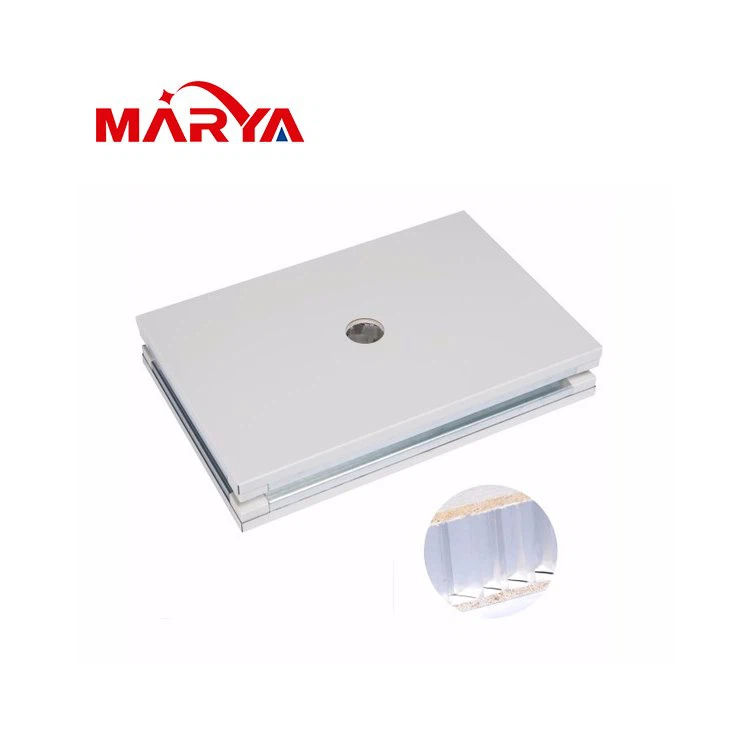
When installing partitions made of Clean Room Sandwich Panel, we need to ensure that they are properly attached to the floor without causing any unevenness. This may require additional support or leveling steps during the installation of these components.
Conclusion
Ensuring the flatness of a cleanroom floor during installation is a multi - step process that requires careful planning, the right materials, professional installation, and strict quality control. By following the tips and methods outlined in this blog, you can achieve a flat cleanroom floor that meets the high standards required for your cleanroom operations.
If you're in the market for a cleanroom floor or have any questions about ensuring floor flatness, don't hesitate to reach out to us. We're here to help you make the best choices for your cleanroom project. Contact us to start a conversation about your specific needs and let's work together to create the perfect cleanroom environment.
References
- Walker, J. (2018). Cleanroom Flooring: Installation and Maintenance. Cleanroom Technology Journal.
- Smith, A. (2019). Achieving Optimal Flatness in Cleanroom Floors. Manufacturing Quality Magazine.