

When it comes to maintaining a clean and efficient cleanroom environment, selecting the right cleanroom trolley is crucial. As a cleanroom trolley supplier, I understand the challenges and considerations that go into making this decision. In this blog post, I will share some key factors to consider when choosing a suitable cleanroom trolley to meet your specific needs.
1. Cleanroom Class Requirements
The first and most important factor to consider is the cleanroom class where the trolley will be used. Cleanrooms are classified based on the number and size of particles allowed per cubic meter of air. For example, a Class 1 cleanroom has the strictest requirements, allowing only a maximum of 1 particle per cubic meter of air that is 0.1 micrometers or larger.
Trolleys used in high - class cleanrooms must be made from materials that generate minimal particles. Stainless steel is a popular choice as it is non - shedding, easy to clean, and resistant to corrosion. It can withstand frequent cleaning with harsh chemicals without degrading or releasing particles into the environment. Avoid trolleys made from materials like wood or certain plastics that may shed fibers or particles over time.
2. Load Capacity
Determine the maximum weight that the trolley will need to carry. This includes the weight of the equipment, supplies, or products that will be transported on it. Overloading a trolley can not only damage the trolley itself but also pose a safety risk in the cleanroom.
Consider the distribution of the load as well. Some trolleys are designed to handle evenly distributed loads, while others can accommodate heavier loads at one end. If you are transporting large, bulky items, make sure the trolley has a stable base and sufficient wheel support to prevent tipping.
3. Size and Maneuverability
The size of the cleanroom trolley should be appropriate for the space in which it will operate. Measure the aisles, doorways, and storage areas in your cleanroom to ensure that the trolley can move freely without getting stuck.
A smaller trolley may be more maneuverable in tight spaces, but it may also have a limited load capacity. On the other hand, a larger trolley can carry more but may be difficult to navigate in narrow aisles. Look for trolleys with features like swivel casters that allow for easy turning and movement in different directions.
4. Design and Functionality
The design of the trolley should be tailored to your specific needs. Consider the following features:
- Shelving and Compartments: Trolleys with adjustable shelves and compartments can help you organize your items more efficiently. This is especially useful if you need to transport different types of supplies or equipment.
- Handles and Grips: Ergonomic handles and grips make it easier for operators to push and pull the trolley, reducing the risk of fatigue and injury.
- Brakes: Trolleys with reliable brakes are essential for safety, especially when transporting heavy loads on inclined surfaces or when the trolley needs to be parked in a specific location.
5. Compatibility with Other Cleanroom Equipment
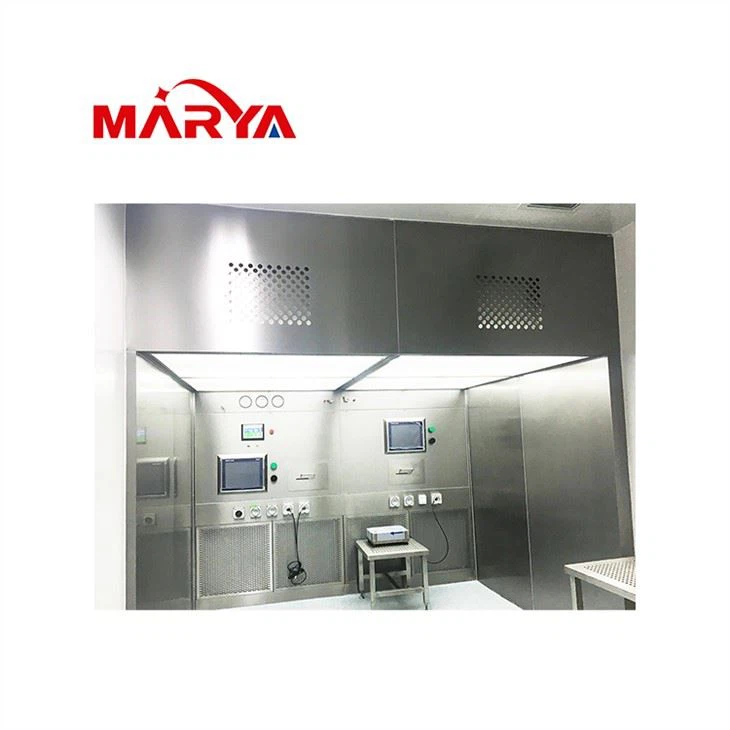
Your cleanroom trolley should be compatible with other equipment in the cleanroom. For example, if you use a Weighing Booth, the trolley should be able to fit smoothly into and out of the booth. Similarly, if you have a Pharma Glove Leak Detector or other specialized equipment, ensure that the trolley can transport related items without causing damage.
6. Ease of Cleaning and Maintenance
In a cleanroom environment, regular cleaning and maintenance are essential to prevent contamination. Choose a trolley that is easy to clean. Smooth surfaces without crevices or hard - to - reach areas are ideal as they can be wiped down quickly and thoroughly.
The materials used in the trolley should also be resistant to cleaning agents. For example, a trolley with a HEPA Filter may require special maintenance procedures to ensure its continued effectiveness.
7. Cost - Effectiveness
While cost is an important consideration, it should not be the only factor. A cheaper trolley may seem like a good deal initially, but it may not meet your long - term needs in terms of durability, functionality, or cleanroom compatibility.
Compare the prices of different trolleys based on their features, quality, and expected lifespan. Consider the total cost of ownership, which includes the purchase price, maintenance costs, and potential replacement costs over time.
8. Supplier Reputation
As a cleanroom trolley supplier, I know that the reputation of the supplier is crucial. Look for a supplier with a proven track record of providing high - quality cleanroom equipment. Check customer reviews and testimonials to get an idea of the supplier's reliability, customer service, and product quality.
A good supplier will also offer technical support and after - sales service. This is important in case you encounter any issues with the trolley or need advice on its use and maintenance.
Conclusion
Choosing a suitable cleanroom trolley requires careful consideration of multiple factors, including cleanroom class requirements, load capacity, size, design, compatibility, ease of cleaning, cost - effectiveness, and supplier reputation. By taking the time to evaluate these factors, you can select a trolley that will not only meet your current needs but also contribute to the overall efficiency and cleanliness of your cleanroom environment.
If you are in the process of selecting a cleanroom trolley or have any questions about our products, we encourage you to contact us for a detailed discussion. Our team of experts is ready to assist you in finding the perfect solution for your cleanroom requirements.

References
- Cleanroom Design and Operation Guidelines, International Society for Pharmaceutical Engineering (ISPE)
- Standards for Cleanroom Equipment, Institute of Environmental Sciences and Technology (IEST)