

Hey there! As a supplier of Cleanroom Windows, I often get asked a bunch of questions about our products. One question that pops up quite frequently is, "Do cleanroom windows have good sound insulation?" Well, let's dive right into it and find out.
First off, let's understand what cleanroom windows are and where they're used. Cleanrooms are specialized environments designed to maintain extremely low levels of pollutants like dust, airborne microbes, aerosol particles, and chemical vapors. They're used in industries such as pharmaceuticals, electronics manufacturing, and biotechnology. Cleanroom windows are an essential part of these facilities, allowing visibility while maintaining the integrity of the clean environment.
Now, onto the sound insulation part. Sound insulation is all about reducing the amount of sound that passes through a structure. In a cleanroom setting, good sound insulation can be crucial for a few reasons. For one, it can help reduce distractions for workers inside the cleanroom. If there's a lot of noise from machinery or other sources outside the cleanroom, it can make it difficult for employees to focus on their tasks. Also, in some cases, it's important to prevent the noise generated inside the cleanroom from escaping to the outside environment, especially in areas where noise pollution is a concern.
So, do cleanroom windows have good sound insulation? The answer is, it depends. There are several factors that can affect the sound - insulating properties of cleanroom windows.
Window Design and Construction
The design and construction of the window play a huge role. Most cleanroom windows are made with multiple layers of glass. These multiple layers act as barriers to sound waves. The space between the glass layers is usually filled with a gas, often argon or krypton. These gases are denser than air and help to further dampen sound.
For example, a double - glazed cleanroom window has two layers of glass with a gap in between. This design significantly reduces the transmission of sound compared to a single - pane window. Triple - glazed windows, which have three layers of glass and two gaps, offer even better sound insulation.
Sealing and Framing
Another important factor is the sealing and framing of the window. A well - sealed window will prevent sound from leaking through the edges. The frames of cleanroom windows are typically made of high - quality materials like aluminum or stainless steel. These materials are not only durable but also help to create a tight seal around the glass.
Good quality seals, such as rubber gaskets, are used to ensure that there are no gaps where sound can enter or escape. If the seals are old or damaged, the sound insulation of the window will be compromised.
Thickness of the Glass
The thickness of the glass also matters. Thicker glass generally provides better sound insulation because it is more resistant to the vibrations caused by sound waves. Cleanroom windows often use thicker glass than regular windows to enhance their sound - blocking capabilities.
Comparing with Other Cleanroom Materials
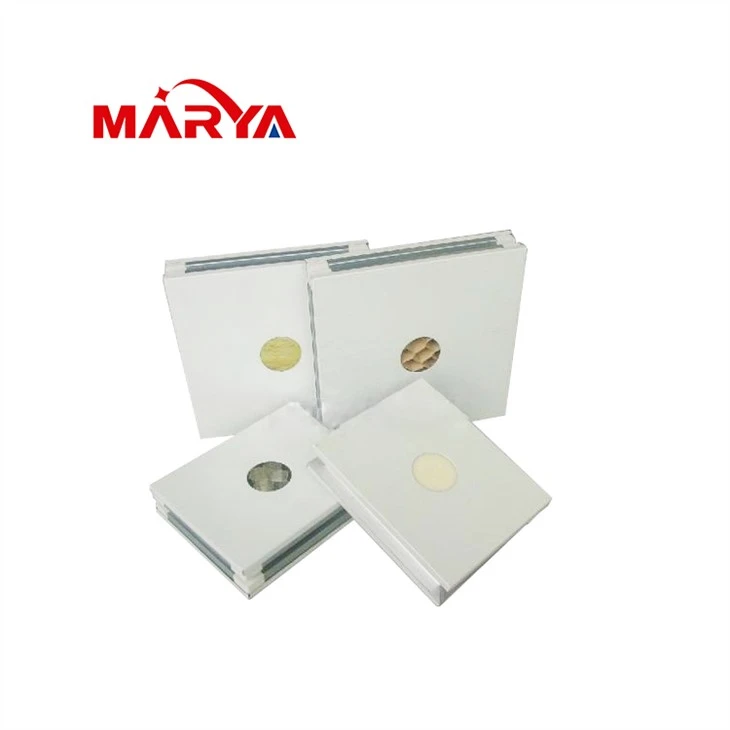
It's interesting to compare the sound insulation of cleanroom windows with other cleanroom materials. For instance, Clean Room Sandwich Panel is another important component in cleanroom construction. These panels are made up of two outer layers with an insulating core in the middle. They can provide good sound insulation, especially when properly installed.
Cleanroom Floor also plays a role in sound management. Some cleanroom floors are designed to absorb sound, which can complement the sound - insulating properties of the windows.
And let's not forget about Sliding Door. Sliding doors in cleanrooms can be a source of sound leakage if not properly sealed. However, high - quality sliding doors with good insulation can work together with cleanroom windows to create a more sound - proof environment.
Real - World Applications
In a pharmaceutical cleanroom, where precision and concentration are key, good sound insulation from the windows can be a game - changer. Workers need to be able to focus on tasks like drug formulation and packaging without being disturbed by external noise.
In an electronics manufacturing cleanroom, sound insulation can help protect sensitive equipment from the vibrations caused by loud noises. This can prevent potential damage to the delicate electronic components being produced.
Testing and Certification
To ensure that cleanroom windows meet the required sound - insulation standards, they often undergo rigorous testing. There are various tests available, such as the Sound Transmission Class (STC) test. The STC rating measures how well a material or structure reduces sound transmission. A higher STC rating means better sound insulation.
When choosing cleanroom windows, it's important to look for products that have been tested and certified to meet industry standards. This gives you the assurance that the windows will perform as expected in terms of sound insulation.

Our Cleanroom Windows
As a Cleanroom Window supplier, we take pride in offering high - quality windows with excellent sound - insulation properties. Our windows are designed and manufactured using the latest technology and best materials. We use multiple - layer glass with gas - filled gaps, high - quality seals, and sturdy frames to ensure maximum sound reduction.
We understand that every cleanroom is unique, and we work closely with our customers to provide customized solutions. Whether you need a window for a small laboratory cleanroom or a large - scale manufacturing cleanroom, we've got you covered.
Contact Us for Purchase
If you're in the market for cleanroom windows and are interested in their sound - insulation capabilities, don't hesitate to reach out. We're here to answer all your questions and help you find the perfect solution for your cleanroom. Our team of experts can provide you with detailed information about our products, including their sound - insulation ratings and other features.
We're committed to providing top - notch customer service and high - quality products. So, if you want to improve the sound environment in your cleanroom, give us a call or send us an email. Let's start a conversation about how our cleanroom windows can meet your needs.
References
- "Cleanroom Design and Operation" by William F. Powell
- "Sound Insulation in Building Envelopes" by John W. Crocker