

In the realm of event planning, marketing, and product promotion, booths play a crucial role. As a supplier of sampling booths, I often encounter questions about the differences between sampling booths and regular booths. This blog post aims to provide a comprehensive understanding of these two types of booths, highlighting their unique features, functions, and suitability for different scenarios.
Design and Structure
One of the most apparent differences between sampling booths and regular booths lies in their design and structure. Regular booths are typically designed to showcase products or services in a static manner. They often feature large display panels, shelves, and counters to present information and merchandise. The layout is usually more traditional and may not be as interactive.
On the other hand, sampling booths are designed with a focus on interactivity and engagement. They are specifically tailored to allow visitors to sample products, which means they need to have a more open and accessible layout. Sampling booths often include areas for product demonstrations, tasting stations, and spaces for staff to interact directly with customers. For example, a sampling booth for a food product might have a small kitchenette area where samples can be prepared and served, while a regular booth for the same product might simply display packaged goods.
Functionality
The functionality of sampling booths and regular booths also differs significantly. Regular booths are mainly used for information dissemination and brand awareness. They are a platform to present the company's products, services, and brand image to potential customers. The goal is to attract attention, generate leads, and create a positive impression of the brand.
Sampling booths, however, go a step further. In addition to brand awareness, they aim to provide a hands - on experience for the visitors. By allowing customers to sample products, companies can directly influence their purchasing decisions. For instance, a cosmetics brand can let customers try out their new lipstick shades at a sampling booth. This direct experience can be a powerful motivator for customers to make a purchase, as they can see and feel the product's quality for themselves.
Target Audience and Engagement
The target audience and the level of engagement also vary between the two types of booths. Regular booths are more suitable for a general audience who are interested in learning about a brand or product. They can attract a wide range of visitors, from casual browsers to serious business prospects. The engagement level is relatively passive, with visitors mainly observing the displays and receiving information.
Sampling booths, on the other hand, are targeted at a more specific audience - those who are likely to be interested in trying the product. The engagement is much more active, as visitors are encouraged to participate in the sampling process. This high - level of interaction can lead to a deeper connection between the brand and the customer. For example, at a wine sampling booth, visitors can engage in conversations with the staff about the wine's origin, taste notes, and food pairings, which enhances their overall experience and brand loyalty.
Equipment and Accessories
When it comes to equipment and accessories, sampling booths often require more specialized items. Since they are focused on product sampling, they need to have equipment that can support the sampling process. For example, a sampling booth for a beverage company might need refrigerators to keep the drinks cold, dispensers for pouring samples, and cups for customers to drink from.
Regular booths, in contrast, usually require more standard display equipment such as posters, brochures, and signage. However, depending on the nature of the product or service, they may also include some basic technology like touch - screen displays or projectors for presentations.
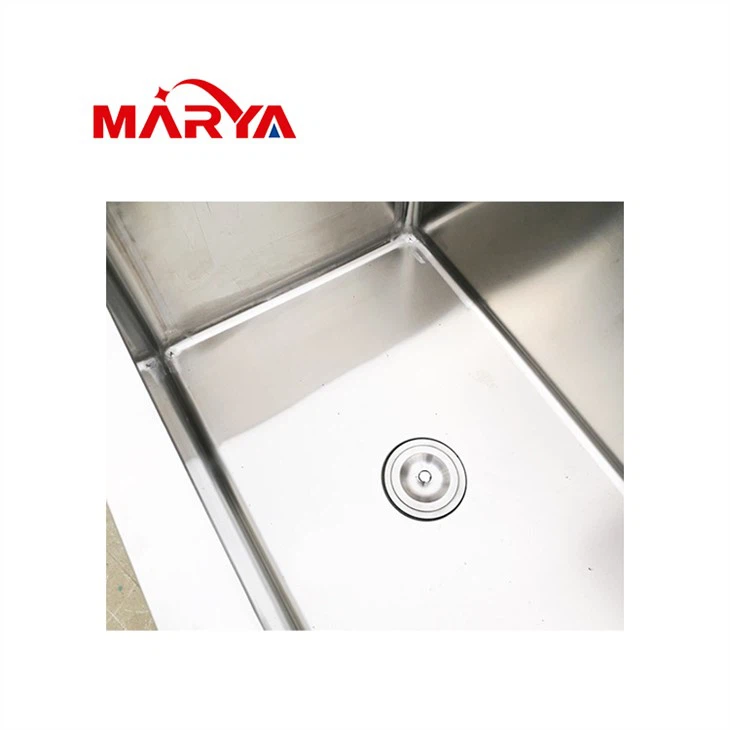
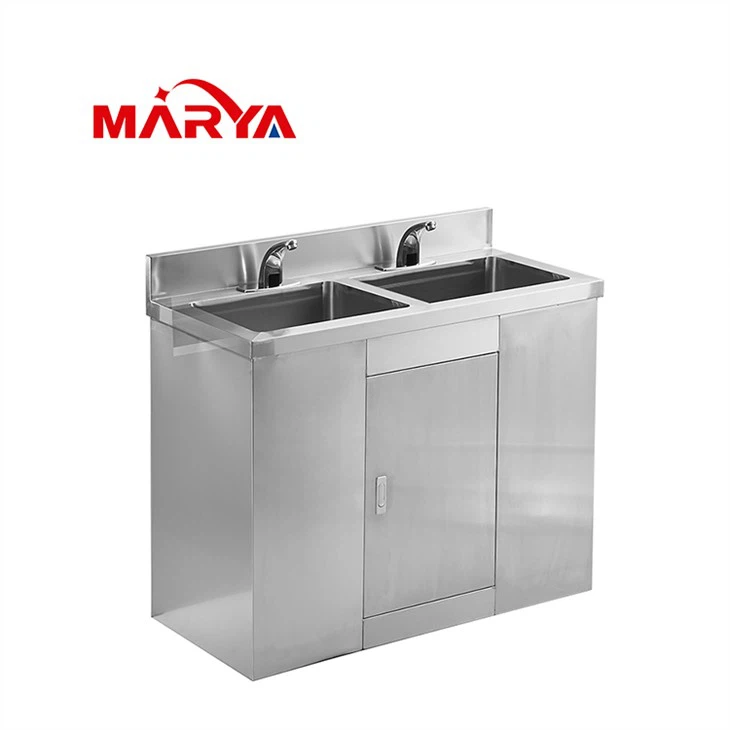
If you are considering setting up a sampling booth, you might also need to invest in some cleanroom - related equipment. For example, a Clean Room Washing Sink can be essential for maintaining hygiene during the sampling process, especially for food or cosmetic products. A Cleanroom Air Handling System can ensure a clean and fresh environment, which is crucial for products that are sensitive to air quality. And a Clean Room Pass Box can be used to transfer products in and out of the booth while maintaining the cleanliness of the environment.
Cost
Cost is another important factor to consider when choosing between a sampling booth and a regular booth. Generally, sampling booths tend to be more expensive to set up and operate. This is because they require more specialized equipment, additional staff for product demonstrations and sampling, and often more elaborate designs.
Regular booths, on the other hand, can be more cost - effective, especially if they are simple in design and do not require a lot of additional equipment. However, the cost can still vary depending on the size, location, and complexity of the booth.
Suitability for Different Events
The suitability of sampling booths and regular booths also depends on the type of event. Regular booths are well - suited for trade shows, conferences, and exhibitions where the focus is on brand exposure and networking. They can effectively showcase a company's products and services to a large number of potential customers.
Sampling booths, on the other hand, are more appropriate for events where the target audience is more likely to be interested in trying products. These can include food festivals, consumer fairs, and product launch events. At these events, the hands - on experience provided by sampling booths can significantly enhance the brand's appeal and drive sales.
Conclusion
In conclusion, while both sampling booths and regular booths have their place in the world of marketing and event planning, they serve different purposes and have distinct characteristics. Regular booths are great for brand awareness and information dissemination, while sampling booths offer a more interactive and engaging experience that can directly influence purchasing decisions.
If you are considering setting up a booth for your next event, carefully evaluate your goals, target audience, and budget. Whether you choose a sampling booth or a regular booth, it is important to ensure that it effectively represents your brand and meets the needs of your customers.
If you are interested in learning more about our sampling booths or need assistance in choosing the right booth for your event, please feel free to contact us. We are a professional sampling booth supplier with years of experience in the industry, and we are committed to providing high - quality booth solutions tailored to your specific requirements.
References
- Kotler, P., & Armstrong, G. (2010). Principles of Marketing. Pearson Prentice Hall.
- Solomon, M. R., Marshall, G. W., & Stuart, E. W. (2012). Marketing: Real People, Real Choices. Prentice Hall.