

Hey there! As a cleanroom floor supplier, I often get asked about the cost of installing a cleanroom floor. Well, it's not a one - size - fits - all answer, and there are a bunch of factors that come into play. Let's dive right in and break down what you can expect when it comes to the expenses.
1. Type of Cleanroom Floor
The type of floor you choose is a major determinant of the cost. There are several popular options out there.
Epoxy Flooring
Epoxy is a common choice for cleanrooms. It's durable, resistant to chemicals, and can be customized with different colors and finishes. The cost of epoxy flooring can range from $5 to $15 per square foot. The price variation depends on the quality of the epoxy resin, the thickness of the coating, and whether it has any special additives for enhanced properties like anti - static or anti - microbial features.
Vinyl Flooring
Vinyl is another option. It's relatively affordable and easy to install. You can get basic vinyl flooring for as low as $2 per square foot. However, if you want a high - end, commercial - grade vinyl with better durability and performance, the price can go up to $8 per square foot. Vinyl floors are great for cleanrooms where you need a smooth, easy - to - clean surface.
Raised Flooring
Raised flooring is often used in cleanrooms where there's a need for under - floor cable management or air circulation. The cost of raised flooring is typically higher, starting from around $15 per square foot and going up to $30 or more. This is because of the additional structural components required, such as the support pedestals and the floor panels themselves.
2. Cleanroom Size
It's pretty obvious that the larger the cleanroom, the more it will cost to install the floor. If you have a small cleanroom, say around 100 square feet, the cost will be significantly less than a large industrial cleanroom that's 10,000 square feet or more. For example, if you choose epoxy flooring at $10 per square foot, a 100 - square - foot cleanroom would cost around $1,000 for the floor installation. But for a 10,000 - square - foot cleanroom, the cost would jump to $100,000.
3. Site Preparation
Before the actual floor installation can take place, the site needs to be prepared. This can add to the overall cost.
Surface Cleaning and Repair
The existing floor surface needs to be thoroughly cleaned to ensure proper adhesion of the new floor. If there are any cracks, holes, or uneven areas, they need to be repaired. The cost of surface cleaning and repair can vary depending on the condition of the floor. On average, you can expect to pay anywhere from $1 to $5 per square foot for this pre - installation work.
Moisture Testing
Moisture in the subfloor can cause problems with the new floor installation, such as delamination or mold growth. So, moisture testing is often necessary. The cost of moisture testing can range from $0.50 to $2 per square foot, depending on the testing method used.
4. Labor Costs
Labor is a significant part of the overall cost. The complexity of the installation, the type of floor, and the location of the cleanroom all affect labor costs.
Installation Complexity
If the cleanroom has a complex layout with many corners, curves, or obstacles, the installation will take longer and cost more. For example, installing a floor in a cleanroom with a lot of equipment that needs to be moved around or worked around will increase the labor time and thus the cost. On average, labor costs for cleanroom floor installation can range from $3 to $10 per square foot.
Location
Labor costs can also vary depending on the location. In areas with a high cost of living or where there's a shortage of skilled labor, the labor charges will be higher. For instance, in big cities, you might pay more for the same installation compared to a rural area.
5. Additional Costs
There are some other costs that you might not think about at first but can add up.
Permits and Inspections
In many cases, you'll need to obtain permits for the cleanroom floor installation. The cost of permits can vary depending on local regulations. Additionally, inspections may be required during and after the installation to ensure that the work meets the necessary standards. Permit and inspection costs can range from a few hundred dollars to a couple of thousand dollars, depending on the size and complexity of the project.
Accessories and Sealants
You'll also need to factor in the cost of accessories like baseboards, cove base, and sealants. These are important for creating a seamless and clean environment in the cleanroom. The cost of accessories and sealants can add another $1 to $3 per square foot to the total cost.

6. Integration with Other Cleanroom Components
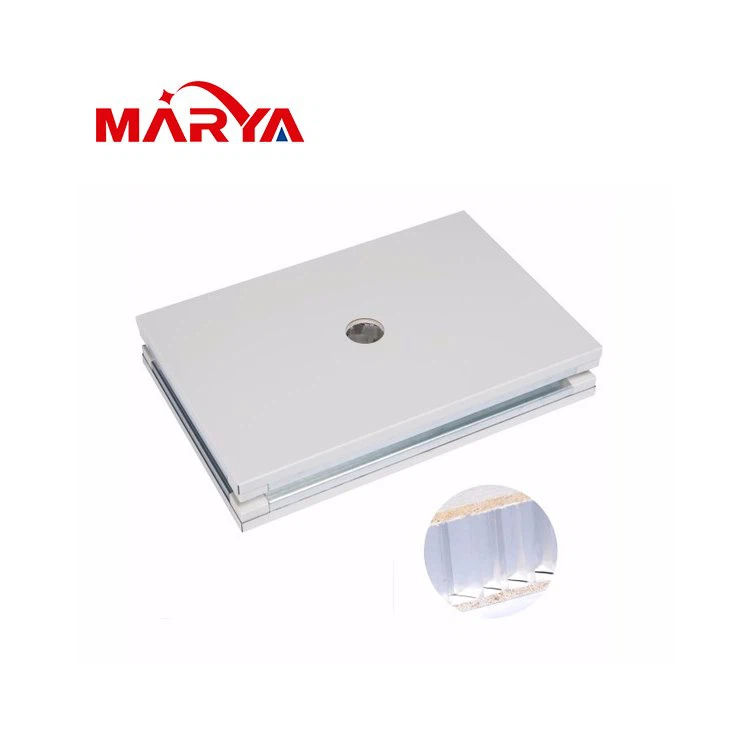
A cleanroom is a complete system, and the floor needs to work well with other components like Sliding Door, Clean Room Sandwich Panel, and Clean Room Door. Sometimes, additional costs may arise to ensure proper integration. For example, the floor may need to be adjusted to fit with the door thresholds or to work with the ventilation system under the raised floor.
Conclusion
So, as you can see, the cost of installing a cleanroom floor can vary widely. It can range from a few thousand dollars for a small cleanroom with a basic vinyl floor to hundreds of thousands of dollars for a large industrial cleanroom with a high - end raised floor. If you're in the process of planning a cleanroom project, it's important to get detailed quotes from multiple suppliers, including us! We have a team of experts who can assess your specific needs and provide you with a customized solution at a competitive price.
If you're interested in learning more about our cleanroom floors or getting a quote, don't hesitate to reach out. We're here to help you make the best decision for your cleanroom project.
References
- Cleanroom Design and Construction Handbook
- Flooring Industry Reports