

Hey there! As a supplier of VHP (Vaporized Hydrogen Peroxide) generators, I often get asked about the safety and performance requirements for using these devices in a hospital setting. In this blog post, I'll break down everything you need to know, from the nitty - gritty safety measures to the performance benchmarks that matter.

Safety Requirements
Operator Safety
First off, let's talk about the people who'll be operating the VHP generator. These machines work by vaporizing hydrogen peroxide, which can be pretty harsh on the human body if not handled correctly. Operators should always wear appropriate personal protective equipment (PPE). This includes gloves made from materials resistant to hydrogen peroxide, like nitrile. They should also wear goggles to protect their eyes from any splashes or vapor exposure. A full - body suit might be necessary in some cases, especially when dealing with larger generators or high - concentration hydrogen peroxide.
It's also crucial to have proper training. Operators need to understand how to start, stop, and monitor the VHP generator. They should know the emergency shutdown procedures in case something goes wrong. Regular training sessions should be conducted to keep everyone up - to - date on the latest safety protocols.
Patient and Staff Safety in the Hospital
Hospitals are full of patients with weakened immune systems, so it's super important to ensure that the use of VHP generators doesn't put them at risk. Before starting the disinfection process, all patients, staff, and visitors should be evacuated from the area where the generator will be used. This is because hydrogen peroxide vapor can cause respiratory irritation, eye irritation, and other health problems.
After the disinfection cycle is complete, the area needs to be thoroughly aerated. Aeration helps to remove any remaining hydrogen peroxide vapor from the air. There are specific guidelines on how long this aeration process should take, which usually depend on the size of the area and the concentration of hydrogen peroxide used. You can use air quality monitors to make sure that the hydrogen peroxide levels have dropped to a safe level before allowing people back into the area.
Equipment Safety
The VHP generator itself needs to be in top - notch condition. Regular maintenance is a must. This includes checking the seals, hoses, and electrical components for any signs of wear and tear. If there are any leaks or malfunctions, they should be fixed immediately. The generator should also be calibrated regularly to ensure that it's producing the correct concentration of hydrogen peroxide vapor.
It's a good idea to have a backup generator in case the primary one fails. This can prevent any delays in the disinfection process, which is crucial in a hospital environment where infection control is a top priority.

Performance Requirements
Disinfection Efficacy
The main reason hospitals use VHP generators is to disinfect surfaces and the air. So, the generator needs to be really good at killing germs. It should be able to achieve a high level of microbial reduction. The most common standard is a 6 - log reduction, which means that it can reduce the number of microorganisms by a factor of one million.
To ensure this level of efficacy, the generator needs to be able to distribute the hydrogen peroxide vapor evenly throughout the area. This can be a challenge, especially in large or complex hospital rooms. Some generators come with built - in fans or ventilation systems to help with the distribution. You can also use diffusion plates or other accessories to improve the vapor dispersion.
Cycle Time
In a busy hospital, time is of the essence. The VHP generator should have a reasonable cycle time. This includes the time it takes to vaporize the hydrogen peroxide, the exposure time (when the vapor is in the air killing germs), and the aeration time. A shorter cycle time means that the hospital can get the area back into use more quickly, which is great for patient throughput.
However, you can't sacrifice disinfection efficacy for a shorter cycle time. It's all about finding the right balance. Some advanced generators have adjustable settings that allow you to optimize the cycle time based on the specific needs of the area being disinfected.
Compatibility with Hospital Equipment
Hospitals have a lot of sensitive equipment, like medical monitors, ventilators, and imaging machines. The VHP generator should be compatible with these devices. Hydrogen peroxide vapor should not cause any damage to the equipment, such as corrosion or malfunction.
Before using the generator in an area with sensitive equipment, it's a good idea to test it on a small scale. You can cover some of the equipment with protective barriers if necessary. Some generators come with features that allow you to control the vapor concentration and exposure time to minimize the risk of damage to the equipment.
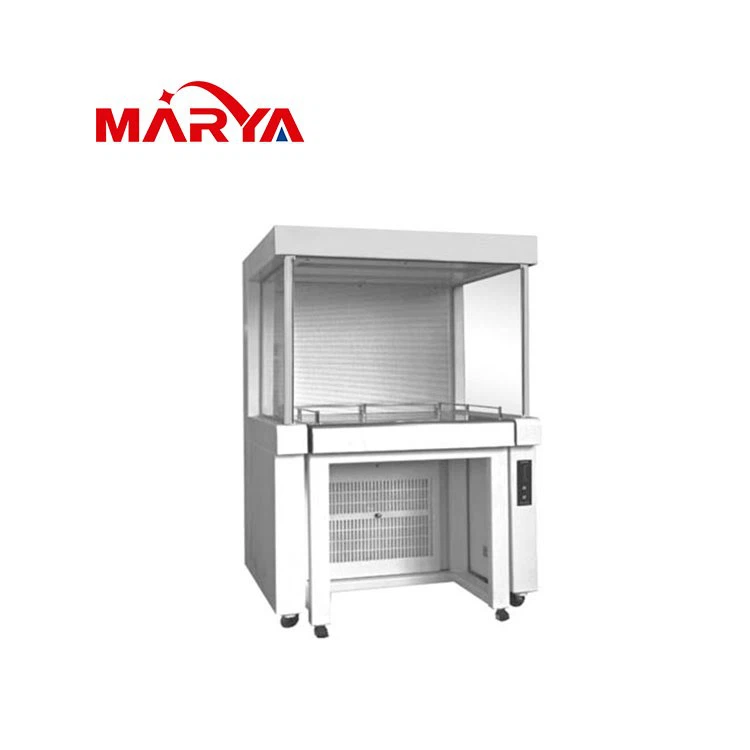
Related Hospital Cleanroom Equipment
When it comes to maintaining a clean and safe hospital environment, VHP generators are just one piece of the puzzle. There are other important cleanroom equipment that work hand - in - hand with VHP generators. For example, Clean Bench provides a clean working area for tasks like preparing medications or handling samples. The Clean Room FFU helps to maintain a constant flow of clean air in the cleanroom, which is essential for preventing the spread of contaminants. And the Clean Room Air Shower is used to remove dust and particles from people and objects before they enter the cleanroom.
Contact for Purchase and Consultation
If you're a hospital looking to invest in a high - quality VHP generator that meets all the safety and performance requirements I've mentioned, or if you have any questions about our products, don't hesitate to reach out. We're here to help you make the right choice for your hospital's disinfection needs. Whether it's about the technical details, installation, or after - sales support, our team of experts is ready to assist.
References
- "Guidelines for Environmental Infection Control in Health - Care Facilities", Centers for Disease Control and Prevention (CDC).
- "Disinfection and Sterilization in Health Care Facilities", World Health Organization (WHO).
- Manufacturer's manuals for VHP generators.