

As a supplier of clean room equipment, I've seen firsthand how these tools play a crucial role in various industries, from pharmaceuticals to electronics. But it's also important to take a look at the environmental impacts of clean room equipment. In this blog, I'll break down the good, the bad, and the ways we can make clean room operations more eco - friendly.
Energy Consumption
One of the most significant environmental impacts of clean room equipment is energy consumption. Clean rooms need to maintain a specific temperature, humidity, and air cleanliness level. This means that equipment like the Clean Room HVAC System runs continuously. HVAC systems are designed to filter out particles and control the climate inside the clean room. However, they consume a large amount of electricity.
The air - handling units in these systems have to work hard to circulate and condition the air. Fans, compressors, and heaters or coolers all draw power. In some large - scale clean rooms, the energy bill for the HVAC system can be a major expense. This high energy consumption not only costs companies a lot of money but also has a negative impact on the environment. Most of our electricity still comes from non - renewable sources like coal and natural gas. The more energy we use, the more greenhouse gases are emitted during the electricity generation process.
Waste Generation
Clean room equipment also generates a fair amount of waste. Take the Cargo Air Shower for example. Air showers are used to remove particles from people and objects before they enter the clean room. The filters in air showers need to be replaced regularly. These filters trap dust, dirt, and other contaminants. Once they reach their capacity, they become waste.
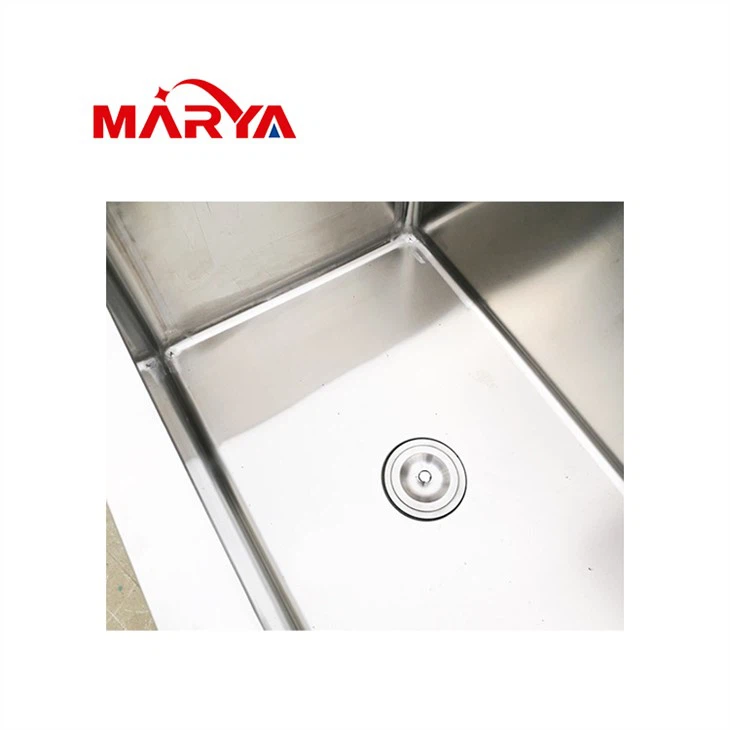
Similarly, the Clean Room Washing Sink is used to clean tools and equipment. The water used in these sinks often contains chemicals and contaminants. Disposing of this wastewater properly is a challenge. If not treated correctly, it can pollute water sources. And the cleaning agents used in clean rooms can also be a source of waste. Many of these chemicals are designed to be highly effective at removing contaminants but can be harmful to the environment if released without proper treatment.
Chemical Usage
Clean rooms rely heavily on chemicals for cleaning and disinfection. These chemicals are used to keep the clean room environment free from bacteria, viruses, and other microorganisms. However, many of these chemicals are not environmentally friendly. Some cleaning agents contain volatile organic compounds (VOCs). VOCs can contribute to air pollution and have been linked to various health problems, including respiratory issues and headaches.
When these chemicals are used in large quantities in clean rooms, there's a risk of them being released into the air. Even with proper ventilation systems, some VOCs may still escape. Additionally, the disposal of used chemicals is a concern. If they're not disposed of properly, they can contaminate soil and water.
Positive Environmental Impacts
It's not all bad news, though. Clean room equipment also has some positive environmental impacts. For instance, in the semiconductor industry, clean rooms are essential for manufacturing high - quality microchips. These microchips are used in a wide range of products, from smartphones to electric vehicles. By enabling the production of more energy - efficient devices, clean rooms indirectly contribute to reducing energy consumption on a larger scale.
In the pharmaceutical industry, clean rooms ensure the safety and quality of medications. This means fewer cases of contaminated drugs, which can lead to better health outcomes for patients. And in the long run, a healthier population can put less strain on the environment by reducing the need for resource - intensive medical treatments.
Strategies for Reducing Environmental Impact
As a clean room equipment supplier, I'm always looking for ways to help my customers reduce the environmental impact of their clean room operations. Here are some strategies:
Energy - Efficient Equipment
We're constantly researching and developing more energy - efficient clean room equipment. For example, newer models of HVAC systems are designed with advanced technology to reduce energy consumption. These systems use variable - speed drives, which adjust the speed of the fans and compressors based on the actual demand. This way, they don't waste energy by running at full capacity all the time.
Recycling and Reusing
We encourage our customers to recycle and reuse as much as possible. Filters from air showers and other equipment can often be recycled. Some companies have also found ways to reuse certain cleaning agents after proper treatment. And when it comes to waste disposal, we work with our customers to ensure that all waste is disposed of in an environmentally responsible manner.
Green Chemicals
We're also promoting the use of green chemicals in clean rooms. These chemicals are formulated to be less harmful to the environment while still being effective at cleaning and disinfection. They often have lower VOC content and are biodegradable. By switching to green chemicals, companies can reduce their environmental footprint and also improve the health and safety of their employees.

Conclusion
Clean room equipment has both positive and negative environmental impacts. While it's true that energy consumption, waste generation, and chemical usage are significant concerns, there are also many ways to mitigate these impacts. As a clean room equipment supplier, I'm committed to helping my customers find the most sustainable solutions for their clean room operations.
If you're in the market for clean room equipment and are interested in reducing your environmental impact, I'd love to talk to you. We can work together to find the right equipment and strategies for your specific needs. Whether it's energy - efficient HVAC systems or green cleaning agents, we have the expertise to help you make your clean room operations more sustainable. Let's have a chat and see how we can make your clean room more environmentally friendly while still meeting your production requirements.
References
- "Energy Efficiency in Clean Rooms" - Journal of Environmental Science and Technology
- "Waste Management in Clean Room Facilities" - International Journal of Waste Reduction and Recycling
- "Green Chemicals for Clean Room Applications" - Chemical Engineering Magazine