

Hey there! I'm a supplier of VHP (Vaporized Hydrogen Peroxide) generators. While these machines are super useful in many ways, they're not without their downsides. In this blog, I'll share some of the disadvantages of using a VHP generator.
High Initial Cost
One of the biggest drawbacks of a VHP generator is the high initial investment. These machines are pretty expensive to purchase. The technology behind VHP generators is complex, involving precise control systems to vaporize hydrogen peroxide and distribute it evenly in the target area. All these high - tech components drive up the cost. For small businesses or startups with limited budgets, it can be a real challenge to afford a VHP generator. Even for larger companies, it's a significant financial decision. This high cost might also limit the number of units a company can buy, which could be a problem if they need to decontaminate multiple areas simultaneously.
Maintenance Requirements
VHP generators need regular maintenance to keep them running smoothly. The components that handle the hydrogen peroxide, like the vaporization chamber and the distribution nozzles, can get clogged or corroded over time. This means you have to clean and inspect these parts regularly. You might also need to replace some parts periodically, which adds to the overall cost of ownership. Moreover, maintenance often requires specialized knowledge. You can't just have any technician work on a VHP generator. You need someone who is trained in handling these complex machines. If you don't have in - house expertise, you'll have to hire an external service provider, which can be costly.
Safety Concerns
Hydrogen peroxide is a powerful oxidizing agent, and when it's in vapor form, it can be even more dangerous. Exposure to high concentrations of VHP can cause irritation to the eyes, skin, and respiratory system. If the VHP generator malfunctions or if there's a leak during the decontamination process, it can put the people in the vicinity at risk. Special safety measures need to be in place when using a VHP generator. This includes proper ventilation systems to ensure that any excess VHP is removed from the area. Workers also need to wear appropriate personal protective equipment (PPE), such as gloves, goggles, and respirators. All these safety precautions add to the complexity and cost of using a VHP generator.
Limited Material Compatibility
Not all materials can withstand exposure to VHP. Some plastics, rubbers, and certain types of metals can be damaged by the oxidizing properties of hydrogen peroxide. This means that if you're using a VHP generator to decontaminate an area, you have to be very careful about the materials present in that space. For example, in a cleanroom setting, you might have equipment and fixtures made from various materials. You need to make sure that these won't be affected by the VHP. If you're not careful, the VHP can cause discoloration, cracking, or even structural damage to the materials. This can lead to additional costs for repair or replacement of damaged items.
Long Decontamination Cycles
VHP decontamination cycles can be quite long. The process involves several steps, including pre - conditioning the area to reach the right humidity and temperature, vaporizing the hydrogen peroxide, allowing the VHP to dwell in the area for a sufficient amount of time to kill the microorganisms, and then aerating the area to remove the VHP. All these steps can take hours, depending on the size of the area being decontaminated. This long cycle time can be a problem in facilities where time is of the essence, such as hospitals or pharmaceutical manufacturing plants. During the decontamination process, the area is usually out of use, which can disrupt normal operations.
Regulatory Compliance
Using a VHP generator comes with a lot of regulatory requirements. Different industries and regions have specific rules and guidelines regarding the use of hydrogen peroxide for decontamination. You need to make sure that your VHP generator meets all the relevant safety and performance standards. This might involve getting certifications and approvals from regulatory bodies. Failing to comply with these regulations can result in fines and legal issues. Keeping up with the changing regulatory landscape can be a headache, and it often requires additional resources to ensure compliance.
Impact on the Environment
Although hydrogen peroxide is considered a relatively environmentally friendly disinfectant compared to some other chemicals, the production and use of VHP generators still have an impact on the environment. The energy required to operate the generator, especially during the vaporization and aeration processes, can be significant. Additionally, the disposal of used hydrogen peroxide and any waste generated during the decontamination process needs to be done properly to avoid environmental pollution. There's also the issue of the materials used in the construction of the VHP generator itself. If these materials aren't recycled at the end of the generator's life, it can contribute to waste in landfills.
Complementary Equipment Requirements
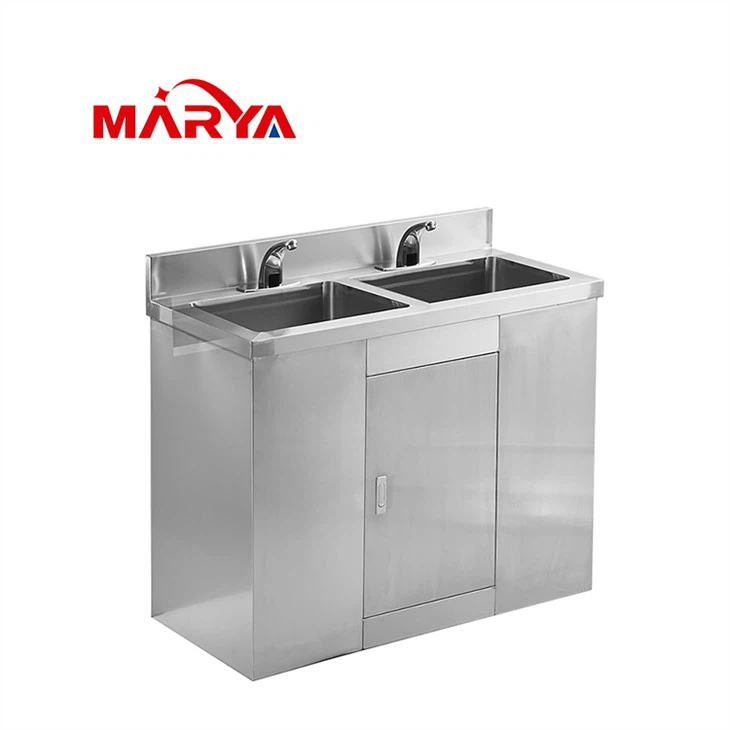
To use a VHP generator effectively, you often need to have other complementary equipment. For example, you need a good Clean Room HVAC System to control the temperature and humidity in the area being decontaminated. You might also need a VHP Passbox to transfer items in and out of the decontaminated area without compromising the integrity of the process. And if you're working in a cleanroom, you'll need a Clean Room Washing Sink for proper cleaning. All these additional pieces of equipment add to the overall cost and complexity of setting up a VHP decontamination system.
Despite these disadvantages, VHP generators are still a popular choice for many industries because of their high - level decontamination capabilities. If you're considering purchasing a VHP generator, it's important to weigh these drawbacks against the benefits. If you have any questions or want to discuss how a VHP generator might work for your specific needs, feel free to reach out to us. We're here to help you make an informed decision.

References
- "Principles and Practices of Sterilization in Health Care" by John J. Perkins
- "Cleanroom Technology Handbook" by Michael B. Kushner