

As a supplier of VHP (Vaporized Hydrogen Peroxide) generators, I've encountered numerous clients concerned about the noise levels of these machines. The noise from a VHP generator can be a significant issue, especially in environments where quiet operations are essential, such as laboratories, clean rooms, and healthcare facilities. In this blog post, I'll share some effective strategies to reduce the noise of a VHP generator, ensuring a more comfortable and productive working environment.
Understanding the Sources of Noise in a VHP Generator
Before we delve into the solutions, it's crucial to understand the primary sources of noise in a VHP generator. These typically include the compressor, the fan, and the internal mechanical components. The compressor is responsible for pressurizing the hydrogen peroxide solution, and its operation can generate a substantial amount of noise. The fan, on the other hand, is used to circulate the vaporized hydrogen peroxide throughout the treatment area, and its rotation can also produce a significant amount of noise. Additionally, the internal mechanical components, such as pumps and valves, can also contribute to the overall noise level of the generator.
Strategies for Reducing Noise
1. Select a Low-Noise Model
When purchasing a VHP generator, one of the most effective ways to reduce noise is to choose a low-noise model. Many manufacturers offer generators specifically designed to operate quietly, with features such as sound-insulated enclosures and low-noise fans. These models can significantly reduce the noise level compared to standard generators, making them ideal for noise-sensitive environments.

2. Install Soundproofing Materials
Another effective strategy is to install soundproofing materials around the VHP generator. Soundproofing materials, such as acoustic panels and foam insulation, can absorb and dampen the noise generated by the generator, reducing its impact on the surrounding environment. These materials can be installed on the walls, ceiling, and floor of the generator room, as well as on the generator itself. For example, you can wrap the generator with acoustic blankets or install soundproof enclosures around it.
3. Optimize the Placement of the Generator
The placement of the VHP generator can also have a significant impact on the noise level. To minimize the noise, it's recommended to place the generator in a separate, well-ventilated room or enclosure. This can help to isolate the noise from the main working area and reduce its spread. Additionally, the room should be lined with soundproofing materials to further reduce the noise. It's also important to ensure that the generator is placed on a stable surface to prevent vibration, which can contribute to the noise level.
4. Regular Maintenance and Lubrication
Regular maintenance and lubrication of the VHP generator can also help to reduce noise. Over time, the internal mechanical components of the generator can wear out, leading to increased noise levels. By performing regular maintenance, such as oil changes, filter replacements, and belt adjustments, you can ensure that the generator is operating smoothly and efficiently, reducing the noise generated by the components. Additionally, lubricating the moving parts can help to reduce friction and wear, further reducing the noise level.
5. Use Vibration Isolation Mounts
Vibration isolation mounts can be used to reduce the noise generated by the vibration of the VHP generator. These mounts are designed to absorb and dampen the vibrations, preventing them from transferring to the surrounding structure and reducing the noise level. They can be installed under the generator to isolate it from the floor or other surfaces.
6. Upgrade the Components
If the noise level of your VHP generator is still a concern, you may consider upgrading the components. For example, replacing the standard fan with a low-noise fan or upgrading the compressor to a more advanced, quieter model can significantly reduce the noise level. However, it's important to ensure that the upgraded components are compatible with the generator and meet the required specifications.
Related Cleanroom Equipment
In addition to reducing the noise of the VHP generator, it's also important to consider the other equipment used in the cleanroom environment. For example, Dry Box Gloves are essential for maintaining a clean and sterile environment when handling the VHP generator and other sensitive equipment. These gloves are designed to prevent contamination and ensure the integrity of the cleanroom.
Stainless Steel Trays are also commonly used in cleanrooms for storing and transporting the hydrogen peroxide solution and other materials. They are made of high-quality stainless steel, which is resistant to corrosion and easy to clean, ensuring the cleanliness of the cleanroom.
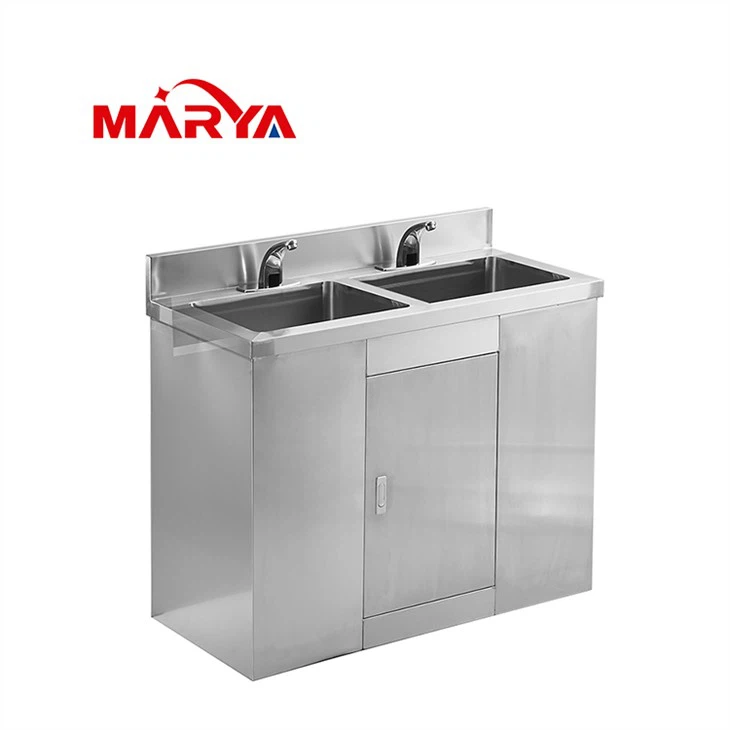
Another important piece of equipment is the Clean Room Washing Sink. This sink is specifically designed for use in cleanrooms and is equipped with features such as high-pressure water jets and self-cleaning functions to ensure the thorough cleaning of the equipment and materials.
Conclusion
Reducing the noise of a VHP generator is essential for ensuring a comfortable and productive working environment in noise-sensitive areas. By selecting a low-noise model, installing soundproofing materials, optimizing the placement of the generator, performing regular maintenance and lubrication, using vibration isolation mounts, and upgrading the components, you can effectively reduce the noise level of the generator. Additionally, considering the related cleanroom equipment, such as dry box gloves, stainless steel trays, and clean room washing sinks, can help to maintain a clean and sterile environment. If you're interested in learning more about our VHP generators or other cleanroom equipment, please feel free to contact us for further discussions and potential purchasing opportunities.
References
- Manufacturer's manuals of VHP generators
- Scientific studies on noise reduction in industrial equipment
- Practical experience in the cleanroom industry