

Hey there! As a provider of Cleanroom Systems, I've seen firsthand how crucial it is to prevent contamination in these high - standard environments. In this blog, I'm gonna share some practical tips and insights on keeping your cleanroom contamination - free.
The Importance of Contamination Prevention in Cleanrooms
Before we dive into the prevention methods, let's quickly talk about why it's so important. Cleanrooms are used in a variety of industries, like electronics, pharmaceuticals, and biotechnology. In these sectors, even the tiniest particle of dust, a microbe, or a chemical vapor can mess up production processes, damage products, and even pose risks to human health.
For example, in an Electric Cleanroom, a single dust particle can cause short - circuits in sensitive electronic components. In a Pharma Electric Cleanroom, microbial contamination can render drugs ineffective or even harmful. So, preventing contamination isn't just a nice - to - have; it's a must - have.
Personnel Training and Hygiene
One of the biggest sources of contamination in cleanrooms is people. We unknowingly carry dirt, bacteria, and other contaminants on our bodies and clothing. That's why proper personnel training and hygiene are key.
All cleanroom staff should go through comprehensive training programs. These programs teach them about cleanroom protocols, including how to dress properly in cleanroom garments, how to move around in the cleanroom without disturbing the environment, and how to handle equipment and materials.
When it comes to hygiene, staff should always wash their hands thoroughly before entering the cleanroom. They should also use antibacterial soaps to get rid of as many germs as possible. Wearing hairnets, beard covers (if applicable), and shoe covers are also essential to prevent hair, skin cells, and dirt from being introduced into the cleanroom.
In addition, cleanroom personnel should avoid wearing lotions, perfumes, or makeup, as these can release particles and chemicals into the air.
Cleanroom Design and Equipment
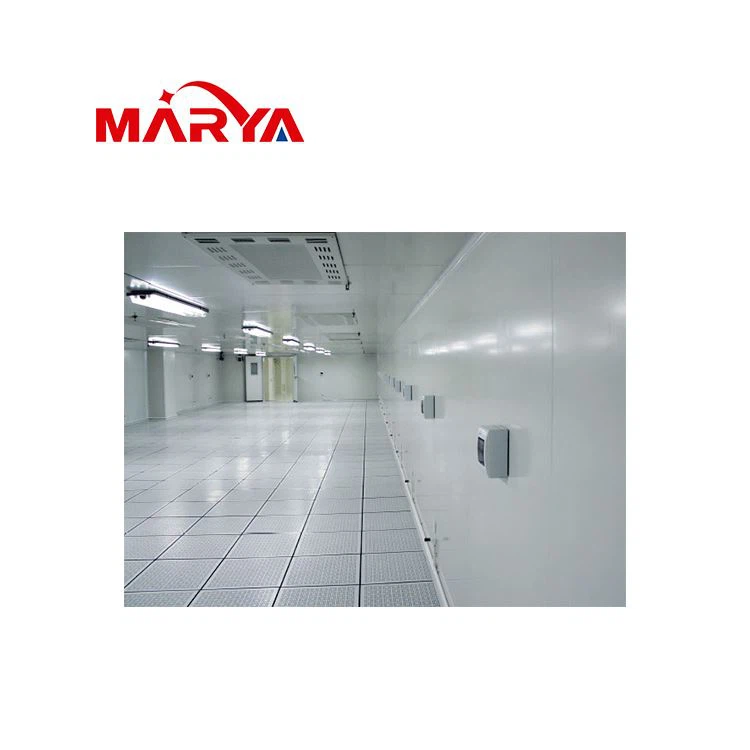
The design and equipment of a cleanroom play a huge role in preventing contamination. First, the layout of the cleanroom should minimize the flow of contaminants. This means having separate areas for gowning, equipment storage, and production.
The Cleanroom Hvac System is also crucial. It's responsible for filtering out particles, controlling temperature and humidity, and maintaining the right air pressure. A good HVAC system should have high - efficiency particulate air (HEPA) or ultra - low penetration air (ULPA) filters. These filters can capture particles as small as 0.3 microns with a very high efficiency.
Another important piece of equipment is the cleanroom furniture. It should be made of smooth, non - porous materials that are easy to clean and don't shed particles. For example, stainless steel benches are a popular choice because they're durable, easy to disinfect, and don't harbor dust or microbes.
Material and Product Handling
The way materials and products are handled in a cleanroom can also affect contamination levels. All materials entering the cleanroom should be properly cleaned and inspected. This might involve wiping them down with a cleanroom - compatible disinfectant or using a pass - through chamber to transfer items from a non - clean area to the cleanroom.

When it comes to product handling, staff should use cleanroom - specific tools and containers. These should be regularly cleaned and sterilized. For example, if you're working with small electronic components, use tweezers and trays that are designed for cleanroom use.
In addition, inventory management is important. Overstocking can lead to clutter, which makes it harder to clean and increases the risk of contamination. So, keep inventory levels at a minimum and rotate stock regularly to ensure that older items are used first.
Regular Cleaning and Maintenance
Regular cleaning and maintenance are essential for preventing contamination in a cleanroom. The frequency and intensity of cleaning depend on the class of the cleanroom and the level of activity.
Cleaning should be done in a specific order, starting from the highest surfaces and working your way down. This ensures that any particles that are dislodged during the cleaning process fall to the floor and are then removed.
The cleaning agents used in the cleanroom should be compatible with the materials in the room. Harsh chemicals can damage surfaces and release particles, so it's important to choose the right ones. For example, alcohol - based disinfectants are often used because they're effective at killing germs and evaporate quickly without leaving a residue.
In addition to daily or weekly cleaning, the cleanroom should undergo regular maintenance checks. This includes inspecting the HVAC system, checking the integrity of the cleanroom walls and ceilings, and testing the equipment for proper functioning.
Monitoring and Testing
Continuous monitoring and testing are necessary to ensure that the cleanroom is maintaining the required cleanliness levels. There are several aspects to monitor, including particle counts, microbial presence, temperature, humidity, and air pressure.
Particle counters are used to measure the number and size of particles in the air. These are usually placed at strategic locations throughout the cleanroom. Microbial monitoring can be done using settle plates or air samplers. These collect microorganisms from the air or surfaces, which can then be cultured and counted.
Temperature, humidity, and air pressure sensors are also important. They help ensure that the cleanroom environment is stable and within the specified parameters. If any of these values go out of range, it could indicate a problem with the HVAC system or other equipment.
Emergency Response Plan
Even with all the preventive measures in place, there's always a chance of a contamination incident. That's why it's important to have an emergency response plan.
The plan should outline the steps to take in case of a contamination event, such as who to contact, how to isolate the affected area, and what cleaning and decontamination procedures to follow. It should also include a communication plan to keep all relevant parties informed.
Regular drills should be conducted to ensure that all staff are familiar with the emergency response plan. This helps minimize the impact of a contamination incident and ensures a quick return to normal operations.
Conclusion
Preventing contamination in a Cleanroom System is a complex but achievable task. By focusing on personnel training and hygiene, cleanroom design and equipment, material and product handling, regular cleaning and maintenance, monitoring and testing, and having an emergency response plan, you can keep your cleanroom contamination - free.
If you're in the market for a Cleanroom System or need advice on contamination prevention, don't hesitate to reach out. We're here to help you create a high - quality, contamination - free cleanroom environment for your business.
References
- ISO 14644: Cleanrooms and associated controlled environments - Classification of air cleanliness
- Good Manufacturing Practices (GMP) guidelines for pharmaceutical and biotechnology industries