

Hey there! As a supplier of Cleanroom Systems, I've seen firsthand how crucial it is to optimize the layout of equipment in a cleanroom. A well - thought - out layout can improve efficiency, reduce contamination risks, and save costs in the long run. So, let's dive into how you can achieve that.
Understanding the Basics of Cleanroom Equipment Layout
First off, you need to understand the cleanroom classification. Different cleanrooms, like Dust Free Cleanroom, have different requirements for particle counts and environmental conditions. This classification will influence where you place your equipment. For example, in a high - grade cleanroom, you'll need to be extra careful about minimizing the generation and spread of particles.
The workflow is another key factor. You should arrange the equipment in a way that follows the natural flow of work. This reduces the need for workers to move around unnecessarily, which can stir up particles and increase the risk of contamination. Think about the sequence of operations in your cleanroom. If you're manufacturing a product, start from the raw material input area and end at the finished product output area. Make sure the equipment is placed in a logical order that supports this process.
Space Utilization
One of the biggest challenges in cleanroom equipment layout is making the most of the available space. You don't want to overcrowd the cleanroom, as this can lead to poor air circulation and make it difficult to clean. On the other hand, leaving too much empty space can be a waste of resources.
When you're planning the layout, measure the dimensions of each piece of equipment accurately. Consider not only the footprint of the equipment but also the space needed for maintenance, access, and any additional accessories. For example, if you have a large piece of machinery that requires regular servicing, make sure there's enough room around it for technicians to work comfortably.
You can also use vertical space to your advantage. Install shelves or racks for storing small items or tools. This can free up floor space and keep the cleanroom organized. However, be careful not to block air vents or other critical components when using vertical storage.
Airflow Considerations
Airflow is a critical aspect of cleanroom design. The Cleanroom Hvac System is responsible for maintaining the proper air quality and temperature in the cleanroom. The layout of equipment should not disrupt the airflow patterns.
Place equipment away from air intakes and exhausts. If an item is placed too close to an air intake, it can block the flow of clean air into the room. Similarly, if it's near an exhaust, it can interfere with the removal of contaminated air.
You should also consider the direction of the airflow. In most cleanrooms, the air flows from the ceiling to the floor. Equipment should be arranged in a way that allows the air to flow freely around it. Avoid creating large, enclosed spaces that can trap air and cause stagnant areas.
Contamination Control
Contamination is the enemy of a cleanroom. Every piece of equipment should be placed in a way that minimizes the risk of contamination. For example, equipment that generates a lot of particles, such as grinding machines or printers, should be placed in a separate area or enclosed in a containment unit.
If possible, group similar equipment together. This makes it easier to clean and maintain the area. For instance, all the electrical equipment can be placed in one section, and all the chemical - handling equipment in another. This segregation helps prevent cross - contamination between different types of processes.
Flexibility and Future Expansion
Your cleanroom layout should be flexible enough to accommodate future changes. Technology is constantly evolving, and you may need to add or replace equipment in the future. Leave some extra space in the layout for new equipment or modifications.
When you're installing equipment, use modular designs whenever possible. Modular equipment can be easily moved, added, or removed without major disruptions to the cleanroom. This gives you the flexibility to adapt to changing business needs.
Case Study: Pharma Electric Cleanroom
Let's take a look at a real - world example of a Pharma Electric Cleanroom. In this type of cleanroom, the equipment layout is designed to meet strict pharmaceutical industry standards.
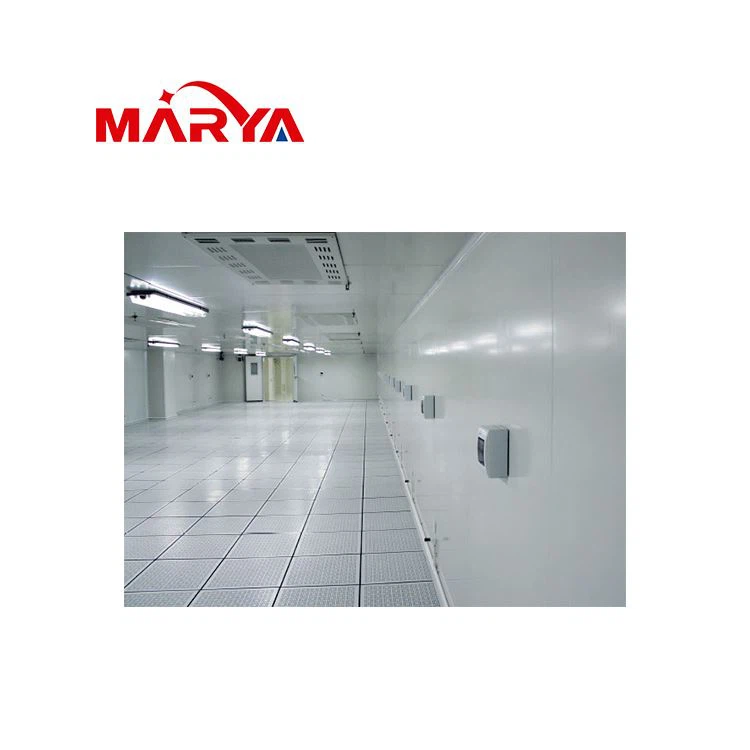

The raw material storage area is located near the entrance of the cleanroom. This makes it easy to bring in new materials without disturbing the rest of the process. The mixing and blending equipment is placed in a central area, where it can be easily accessed by workers. The packaging equipment is located at the end of the production line, close to the exit for finished products.
The HVAC system in this cleanroom is carefully designed to maintain a positive pressure, which prevents outside air from entering the room. The equipment is arranged in a way that allows for proper air circulation, with no large obstructions in the airflow path.
Conclusion
Optimizing the layout of equipment in a cleanroom system is a complex but essential task. By considering factors such as cleanroom classification, workflow, space utilization, airflow, contamination control, and flexibility, you can create a layout that is efficient, safe, and cost - effective.
If you're in the market for a cleanroom system or need help with optimizing your existing layout, don't hesitate to reach out. We're here to assist you in making the best decisions for your cleanroom needs. Whether you're building a new cleanroom from scratch or looking to upgrade an old one, we have the expertise and experience to help you every step of the way.
References
- Cleanroom Design and Operation Handbook
- Pharmaceutical Cleanroom Standards and Guidelines
- HVAC Systems for Cleanrooms: A Technical Overview