
Maintaining a cleanroom system is a critical task that ensures the integrity of various manufacturing processes, from food production to pharmaceutical development. As a cleanroom system supplier, I understand the intricacies involved in keeping these environments in optimal condition. In this blog, I will share valuable insights on how to maintain a cleanroom system effectively.

Understanding the Basics of a Cleanroom System
Before delving into maintenance strategies, it's essential to understand what a cleanroom system is. A cleanroom is a controlled environment where the concentration of airborne particles, temperature, humidity, and pressure are carefully regulated. These environments are used in industries where even the smallest particle can have a significant impact on product quality, such as Food Manufacturing Cleanroom, Cosmetic Production Cleanroom, and Pharma Electric Cleanroom.
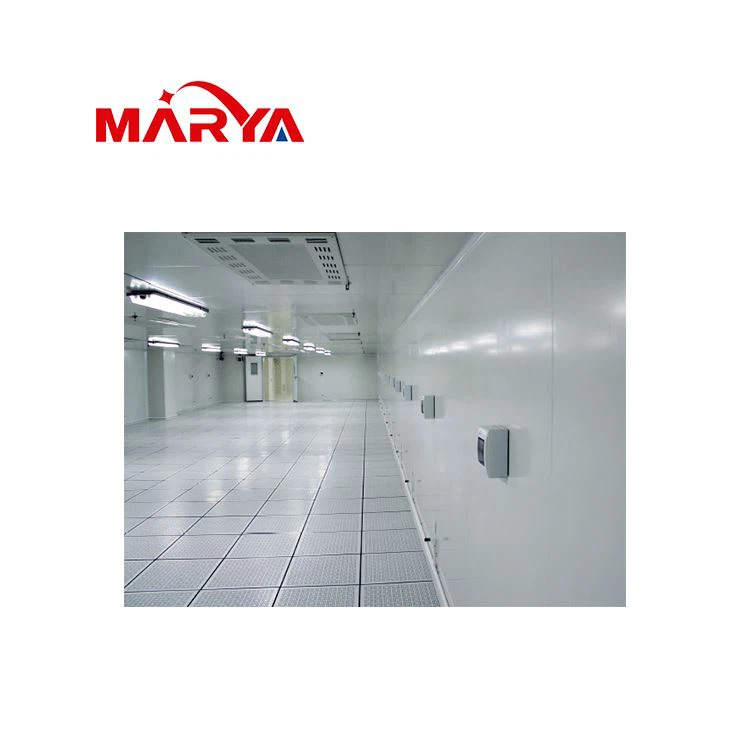
The core components of a cleanroom system include air filtration systems, HVAC (heating, ventilation, and air conditioning) units, flooring, wall panels, and access control mechanisms. Each component plays a crucial role in maintaining the cleanliness and functionality of the cleanroom.
Regular Inspections and Monitoring
One of the fundamental aspects of cleanroom maintenance is regular inspections and monitoring. This involves checking the condition of all cleanroom components, including air filters, fans, and lighting fixtures. Inspections should be conducted on a scheduled basis, and any issues should be addressed immediately.
Air filters are the heart of a cleanroom system, as they remove particles from the air. Over time, these filters can become clogged, reducing their effectiveness. Regularly checking and replacing air filters is essential to maintain proper air quality. Additionally, monitoring the differential pressure across the filters can provide an early indication of filter clogging.
Temperature and humidity control are also critical in a cleanroom. Fluctuations in these parameters can affect product quality and the performance of equipment. Installing sensors to monitor temperature and humidity levels continuously and adjusting the HVAC system accordingly is necessary.
Cleaning and Disinfection Procedures
Cleaning and disinfection are vital to prevent the buildup of contaminants in a cleanroom. A strict cleaning schedule should be established, and all cleaning procedures should be documented.
The cleaning process should start with the removal of loose particles using a vacuum cleaner with a HEPA (High-Efficiency Particulate Air) filter. This is followed by wiping down all surfaces with a cleanroom-compatible cleaning solution. It's important to use cleaning agents that are specifically designed for cleanroom use, as regular cleaning products may leave residues that can contaminate the environment.
Disinfection is particularly important in industries such as pharmaceuticals and food manufacturing, where the presence of microorganisms can pose a significant risk. Using disinfectants that are effective against a wide range of pathogens and following the manufacturer's instructions for proper use is crucial.
Personnel Training and Hygiene
The behavior of personnel working in a cleanroom can have a significant impact on its cleanliness. Proper training is essential to ensure that all employees understand the importance of maintaining a clean environment and follow the established procedures.
Personnel should be trained on how to gown properly before entering the cleanroom. This includes wearing cleanroom suits, gloves, masks, and shoe covers. All clothing and personal items should be stored outside the cleanroom to prevent contamination.
In addition to proper gowns, personnel should also practice good hygiene. This includes washing hands thoroughly before entering the cleanroom and avoiding unnecessary movements that can generate particles.
Equipment Maintenance
All equipment in a cleanroom should be properly maintained to ensure its optimal performance. This includes regular calibration of measuring instruments, lubrication of moving parts, and inspection of electrical components.
Equipment should be cleaned and disinfected regularly, following the manufacturer's instructions. Any equipment that is not in use should be stored properly to prevent contamination.
Contamination Control Measures
Implementing effective contamination control measures is essential to prevent the introduction of contaminants into the cleanroom. This includes controlling access to the cleanroom, using air locks, and maintaining positive pressure within the cleanroom.
Air locks are small chambers located at the entrance of the cleanroom. They act as a buffer zone, preventing the direct entry of outside air into the cleanroom. When a person enters or exits the cleanroom, the air lock doors are opened and closed in a specific sequence to minimize the exchange of air between the cleanroom and the outside environment.
Maintaining positive pressure within the cleanroom ensures that air flows out of the cleanroom rather than into it. This helps to prevent the entry of contaminants from the surrounding areas.
Documentation and Record-Keeping
Proper documentation and record-keeping are essential for cleanroom maintenance. All inspections, cleaning procedures, equipment maintenance, and personnel training should be documented. This documentation serves as a record of compliance with regulatory requirements and can be used to identify trends and areas for improvement.
Records should include the date and time of each inspection or maintenance activity, the name of the person performing the task, and any findings or actions taken. This information can be used to demonstrate that the cleanroom is being maintained in accordance with established standards.
Conclusion
Maintaining a cleanroom system is a complex but essential task that requires a comprehensive approach. By following the strategies outlined in this blog, including regular inspections and monitoring, proper cleaning and disinfection procedures, personnel training, equipment maintenance, contamination control measures, and documentation, you can ensure the long-term performance and cleanliness of your cleanroom.
If you are in the market for a cleanroom system or need assistance with cleanroom maintenance, I encourage you to reach out for a detailed discussion. Our team of experts is ready to provide you with the best solutions tailored to your specific needs.
References
- "Cleanroom Technology Handbook" by William D. Snyder
- "Contamination Control in Cleanrooms and Other Controlled Environments" by Michael J. Santoleri