

Cleanrooms are highly controlled environments used in various industries such as pharmaceuticals, electronics, and biotechnology to minimize the presence of airborne particles, microorganisms, and other contaminants. Ensuring the safety of operators in a cleanroom system is of utmost importance, as any breach in safety can not only endanger the health of the operators but also compromise the quality of the products being manufactured. As a cleanroom system supplier, I understand the critical role that safety plays in these environments and would like to share some key strategies to ensure operator safety.
1. Proper Training and Education
One of the first steps in ensuring operator safety in a cleanroom is to provide comprehensive training and education. Operators should be well - versed in cleanroom protocols, including gowning procedures, equipment operation, and emergency response.

- Gowning Training: Gowning is a critical process in cleanroom operations. Operators must be trained to properly don personal protective equipment (PPE) such as gowns, gloves, masks, and shoe covers. Incorrect gowning can introduce contaminants into the cleanroom. For example, if a glove is not properly donned, it can lead to the transfer of skin cells and bacteria. Training should include step - by - step demonstrations and regular refresher courses to ensure that operators maintain proper gowning techniques.
- Equipment Operation: Cleanroom equipment, such as laminar flow hoods, air handling units, and sterilization equipment, must be operated correctly. Operators should receive in - depth training on the functions, maintenance, and safety features of each piece of equipment. For instance, when using a laminar flow hood, operators need to understand how to position themselves and their work to ensure proper airflow and protection from contaminants.
- Emergency Response: In the event of an emergency, such as a fire, chemical spill, or power outage, operators should know exactly what to do. Training should cover evacuation procedures, the location and use of emergency equipment (e.g., fire extinguishers, eyewash stations), and how to respond to different types of emergencies. Regular emergency drills should be conducted to reinforce these skills.
2. Personal Protective Equipment (PPE)
The selection and use of appropriate PPE are essential for operator safety in a cleanroom.
- Gowns: Cleanroom gowns are designed to prevent the shedding of particles from the operator's body. They are typically made of materials that are low - linting and have a high filtration efficiency. Gowns should fit properly and cover the entire body, including the arms and legs. Different types of gowns may be required depending on the cleanroom classification and the nature of the work being performed.
- Gloves: Gloves protect the operator's hands from chemicals, biological agents, and physical hazards. They should be made of a material that is compatible with the substances being handled in the cleanroom. For example, in a pharmaceutical cleanroom, operators may need to use nitrile gloves that are resistant to chemical solvents. Gloves should be changed regularly to prevent contamination.
- Masks and Respirators: Masks and respirators are used to protect the operator's respiratory system from airborne particles and contaminants. In some cleanrooms, high - efficiency particulate air (HEPA) respirators may be required. Masks should fit snugly over the nose and mouth to prevent the inhalation of contaminants.
- Eye Protection: Eye protection, such as safety goggles or face shields, is necessary to protect the operator's eyes from chemical splashes, flying particles, and radiation. Operators should be trained to wear eye protection at all times when there is a risk of eye injury.
3. Cleanroom Design and Maintenance
The design and maintenance of the cleanroom itself play a crucial role in operator safety.
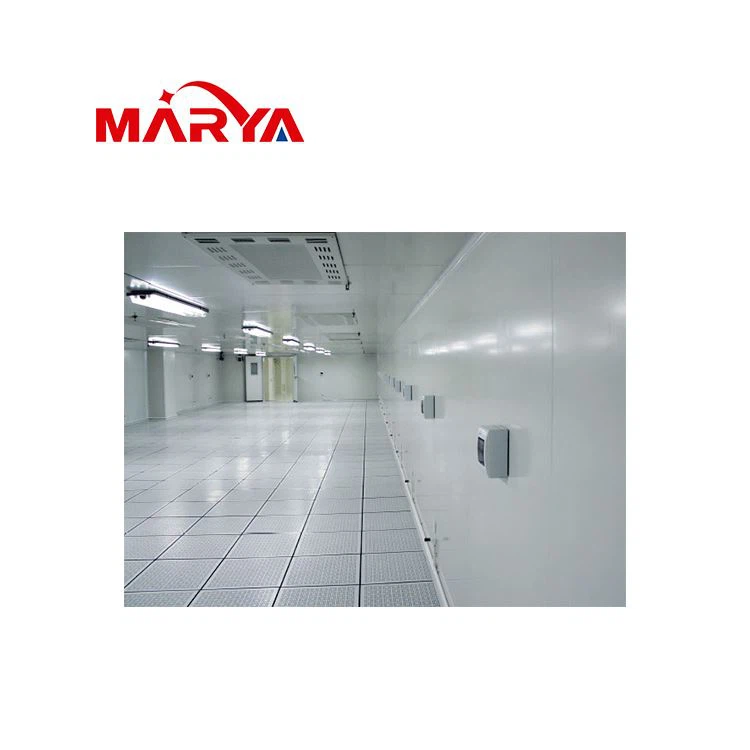
- Airflow and Ventilation: Proper airflow and ventilation are essential to maintain a clean and safe environment. Cleanrooms are typically designed with a controlled airflow pattern to ensure that contaminants are removed from the workspace. Laminar flow systems, which provide a unidirectional flow of air, are commonly used in cleanrooms to minimize the spread of particles. Regular monitoring of airflow velocity and direction is necessary to ensure that the ventilation system is functioning properly.
- Surface Cleanliness: Cleanroom surfaces, including floors, walls, and ceilings, should be made of materials that are easy to clean and disinfect. Regular cleaning and disinfection procedures should be established to remove contaminants from these surfaces. For example, floors may need to be mopped with a disinfectant solution daily, while walls and ceilings may be cleaned less frequently but still on a regular schedule.
- Equipment Maintenance: All cleanroom equipment should be regularly maintained to ensure its proper functioning and safety. This includes preventive maintenance, calibration, and repair of equipment. For example, air handling units should be serviced regularly to ensure that the filters are clean and the fans are operating at the correct speed.
4. Hazardous Material Management
In many cleanrooms, operators may be exposed to hazardous materials such as chemicals, biological agents, and radioactive substances. Proper management of these materials is essential for operator safety.
- Storage and Handling: Hazardous materials should be stored in designated areas that are properly labeled and secured. Operators should be trained on the proper handling procedures for each type of hazardous material, including how to transport, mix, and dispose of them safely. For example, chemicals should be stored in a chemical storage cabinet that is designed to prevent spills and leaks.
- Risk Assessment: A risk assessment should be conducted for each hazardous material used in the cleanroom. This assessment should identify the potential hazards, the likelihood of exposure, and the appropriate control measures. Based on the risk assessment, operators may need to use additional PPE or follow specific safety procedures when working with these materials.
- Emergency Response: In the event of a hazardous material spill or release, operators should know how to respond quickly and safely. This may include evacuating the area, notifying the appropriate personnel, and using spill - containment equipment.
5. Monitoring and Surveillance
Continuous monitoring and surveillance of the cleanroom environment and operator activities are necessary to ensure safety.
- Environmental Monitoring: Regular monitoring of environmental parameters such as particle counts, temperature, humidity, and pressure is essential to maintain the cleanliness and stability of the cleanroom. This can be done using sensors and monitoring equipment that are installed throughout the cleanroom. For example, particle counters can be used to measure the number of particles in the air at different sizes.
- Operator Monitoring: Video surveillance systems can be used to monitor operator activities in the cleanroom. This can help to identify any unsafe practices or violations of cleanroom protocols. In addition, operators may be required to wear sensors or badges that can monitor their vital signs and exposure to contaminants.
As a cleanroom system supplier, we offer a range of high - quality cleanroom solutions, including Pharma Electric Cleanroom, Pharmaceutical Cleanroom, and Sterile Cleanroom. Our cleanrooms are designed to meet the highest safety and quality standards, and we provide comprehensive support and training to ensure that your operators are safe and your products are of the highest quality.
If you are interested in learning more about our cleanroom systems or would like to discuss your specific requirements, please feel free to contact us. We look forward to working with you to create a safe and efficient cleanroom environment.
References
- "Cleanroom Technology Handbook" by Peter A. Fuhrmann
- "Fundamentals of Cleanroom Technology" by David W. Gottfried
- "Good Manufacturing Practices (GMP) for Pharmaceuticals" by World Health Organization