

Hey there! As a supplier of Clean Room Doors, I've seen firsthand how crucial it is to ensure the dust-proof performance of these doors. Clean rooms are used in a variety of industries, from pharmaceuticals to electronics, where even the tiniest particle of dust can cause big problems. So, let's dive into how we can make sure our clean room doors are up to the task.
Understanding the Basics of Dust-Proofing
First things first, we need to understand what makes a clean room door dust-proof. Dust can enter a clean room through gaps, cracks, or poor seals. That's why the design and construction of the door are so important. A good clean room door should be made of materials that don't shed particles and have tight-fitting seals to prevent dust from sneaking in.
One of the key factors in dust-proofing is the door's surface finish. Smooth surfaces are less likely to trap dust compared to rough ones. For example, doors with a high-gloss finish are easier to clean and less likely to hold onto dust particles. Additionally, the materials used in the door should be non-porous, so dust can't penetrate the surface.

Choosing the Right Materials
When it comes to materials, there are a few options that are well-suited for clean room doors. Stainless steel is a popular choice because it's durable, easy to clean, and doesn't rust. It also has a smooth surface that resists dust accumulation. Another option is aluminum, which is lightweight and corrosion-resistant. Both materials can be fabricated into doors with tight seals and precise dimensions.
In addition to the door itself, the gaskets and seals are also critical for dust-proofing. These components should be made of materials that are flexible, durable, and resistant to wear and tear. Silicone gaskets are a great choice because they provide a tight seal and can withstand a wide range of temperatures and chemicals.
Design Considerations
The design of the clean room door can also have a big impact on its dust-proof performance. For example, a door with a flush-mounted design is less likely to have gaps or crevices where dust can collect. Additionally, the door should be installed with precision to ensure a proper fit.
Another design consideration is the type of door. Clean Room Door come in a variety of styles, including hinged doors, sliding doors, and revolving doors. Each type has its own advantages and disadvantages when it comes to dust-proofing. For example, Cleanroom Sliding Door are often a good choice because they have fewer moving parts and can be sealed more easily.
Installation and Maintenance
Proper installation is essential for ensuring the dust-proof performance of a clean room door. The door should be installed by a professional who has experience working with clean room systems. During installation, the door should be aligned correctly and the gaskets and seals should be installed tightly.
Once the door is installed, regular maintenance is also important. This includes cleaning the door regularly to remove any dust or debris that may have accumulated. The gaskets and seals should also be inspected periodically to make sure they are in good condition and providing a proper seal.
Complementary Clean Room Materials
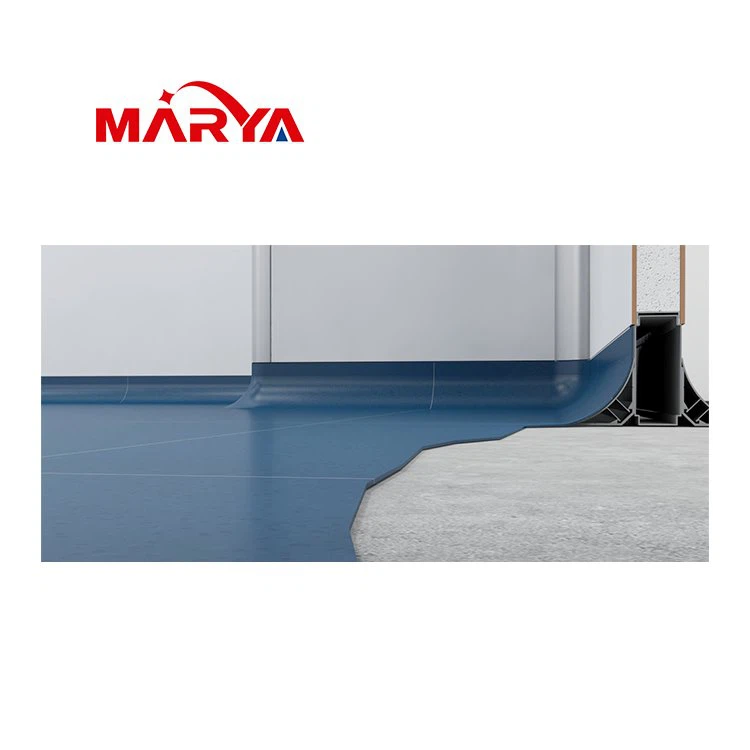
To further enhance the dust-proof performance of a clean room, it's important to consider using complementary materials. For example, Cleanroom PVC Floor can help to reduce the amount of dust that is generated on the floor. These floors are made of a smooth, non-porous material that is easy to clean and maintain.
In addition to the floor, other clean room materials such as wall panels and ceiling tiles can also contribute to a dust-free environment. These materials should be selected based on their ability to resist dust accumulation and their ease of cleaning.
Testing and Certification
To ensure that a clean room door meets the required dust-proof standards, it's important to have it tested and certified. There are a variety of testing methods available, including particle counting and air leakage testing. These tests can help to determine the effectiveness of the door's dust-proof features and identify any areas that may need improvement.
Once the door has been tested and certified, it's important to keep the certification up-to-date. This may involve periodic re-testing to ensure that the door continues to meet the required standards.
Conclusion
Ensuring the dust-proof performance of a clean room door is essential for maintaining a clean and controlled environment. By choosing the right materials, designing the door properly, installing it correctly, and performing regular maintenance, you can help to ensure that your clean room door provides the level of dust protection that your facility requires.
If you're in the market for a clean room door or have any questions about dust-proofing, don't hesitate to reach out to us. We're here to help you find the right solution for your needs and ensure that your clean room is as dust-free as possible.
References
- Clean Room Design and Operation Manual.
- Standards for Clean Room Equipment and Materials.