

Hey there! As a supplier of cleanroom floors, I often get asked one question: "How long does a cleanroom floor usually last?" Well, let's dig into this topic and find out.
First off, it's important to understand that the lifespan of a cleanroom floor can vary quite a bit. There are several factors that come into play, and we'll go through each of them one by one.
Quality of the Material
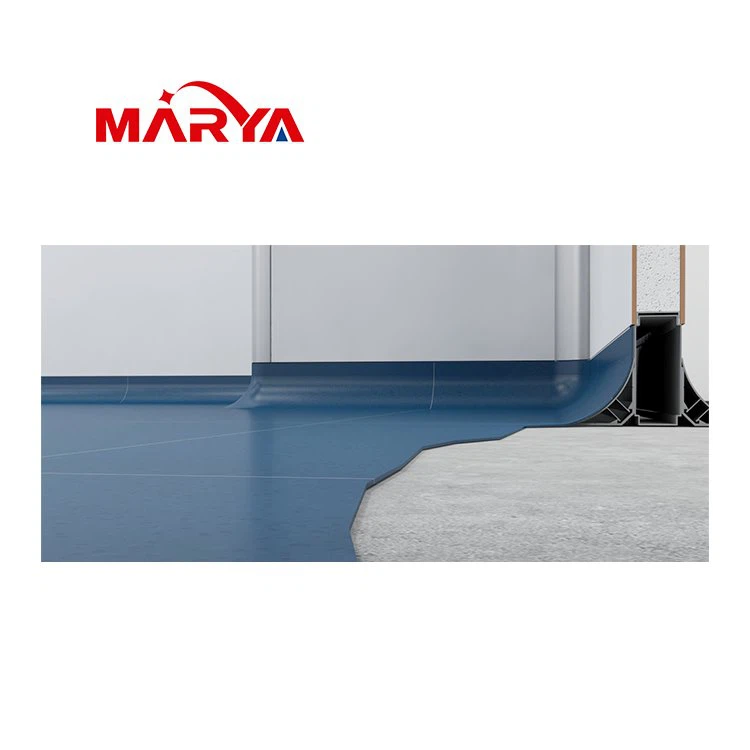
The type and quality of the material used for the cleanroom floor are crucial. For example, Cleanroom PVC Floor is a popular choice. PVC floors are known for their durability, chemical resistance, and ease of cleaning. High - quality PVC floors can last anywhere from 10 to 20 years. They're made from strong polymers that can withstand a lot of wear and tear.
On the other hand, if you go for a lower - quality material, you might be looking at a much shorter lifespan. Cheaper materials may not have the same level of chemical resistance or strength, and they can start to show signs of damage within a few years.
Installation
Proper installation is key to ensuring a long - lasting cleanroom floor. If the floor isn't installed correctly, it can lead to problems down the line. For instance, if there are gaps between the floor panels or if the adhesive isn't applied evenly, the floor may become loose or develop bubbles. This can not only affect the appearance of the cleanroom but also its functionality.
A professional installation team will make sure that the floor is level, the seams are tight, and the adhesive is properly cured. They'll also follow all the manufacturer's guidelines, which can significantly extend the floor's lifespan. In some cases, a well - installed floor can last 20% to 30% longer than one that's installed poorly.
Usage and Traffic
The amount of traffic and the type of usage the cleanroom floor experiences also play a big role. In a cleanroom with high - traffic areas, such as those in a pharmaceutical manufacturing facility or a semiconductor production plant, the floor is going to take a beating. Workers, equipment, and carts are constantly moving across the floor, which can cause abrasion and wear.
In these high - traffic areas, the floor may need to be replaced every 5 to 10 years. However, in a cleanroom with low traffic, like a research laboratory where there's minimal movement, the floor can last much longer, perhaps 15 to 20 years or more.
Maintenance
Regular maintenance is essential for extending the life of a cleanroom floor. This includes daily cleaning to remove dirt, dust, and debris. Using the right cleaning products is also important. Harsh chemicals can damage the floor, so it's best to use products that are specifically designed for cleanroom floors.
Periodic inspections are also a good idea. This allows you to catch any potential problems early, such as cracks or loose panels, and address them before they become major issues. By following a proper maintenance schedule, you can add several years to the floor's lifespan.
Environmental Conditions
The environmental conditions in the cleanroom can also affect the floor's longevity. For example, if the cleanroom has high humidity levels, it can cause the floor to warp or the adhesive to break down. Extreme temperatures can also have an impact. Some materials may become brittle in cold temperatures or soft in hot temperatures.
If the cleanroom is located in an area with a stable climate and the temperature and humidity are carefully controlled, the floor is more likely to last longer. On the other hand, if the environmental conditions are harsh, the floor may need to be replaced more frequently.
Comparing with Other Cleanroom Components
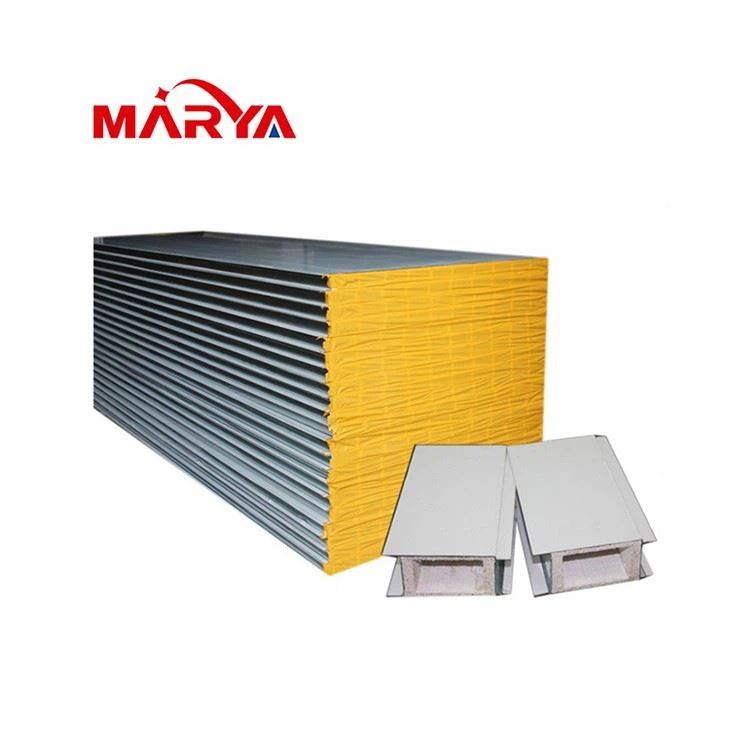
It's interesting to compare the lifespan of cleanroom floors with other components, like Clean Room Sandwich Panel and Cleanrrom Sandwich Panel. Sandwich panels are used for the walls and ceilings of cleanrooms. They typically have a lifespan of 15 to 25 years, depending on the same factors we've discussed for the floors - material quality, installation, usage, maintenance, and environmental conditions.
In general, cleanroom floors may need to be replaced more often than sandwich panels because they're subject to more direct wear and tear from traffic. However, if all the right conditions are met, a cleanroom floor can have a lifespan that's comparable to that of the sandwich panels.
So, What's the Bottom Line?
On average, a cleanroom floor can last anywhere from 5 to 20 years. But as you can see, there are many variables at play. If you're looking for a long - lasting cleanroom floor, it's important to invest in high - quality materials, have them installed by professionals, maintain the floor regularly, and control the environmental conditions in the cleanroom.
If you're in the market for a cleanroom floor, I'd be more than happy to help. We offer a wide range of high - quality cleanroom floors that are designed to meet your specific needs. Whether you're in the pharmaceutical, semiconductor, or any other industry that requires a cleanroom, we've got you covered.
Don't hesitate to reach out if you have any questions or if you'd like to discuss your cleanroom floor requirements. We can provide you with detailed information, samples, and quotes. Let's work together to ensure that your cleanroom has a floor that lasts for years to come.
References
- "Cleanroom Design and Operation" by Cleanroom Technology Institute
- "Maintenance Guide for Cleanroom Floors" by Industry Standard Publications
- Manufacturer's specifications for cleanroom floor materials and sandwich panels