

Hey there! As a supplier of clean room materials, I've seen firsthand how crucial it is to maintain high - quality air in clean rooms. Clean rooms are used in a variety of industries, like semiconductor manufacturing, pharmaceuticals, and biotechnology, where even the tiniest particle in the air can mess up the production process or research results. So, let's dig into how clean room materials affect the air quality in these super - sensitive spaces.
First off, let's talk about the walls and ceilings. One of the most common materials we supply is the Cleanroom Panel. These panels are designed to be smooth and non - porous. Why is that important? Well, a smooth surface doesn't allow dust and particles to stick to it easily. In a regular room, dust can settle on rough walls, and when the air moves, it can get kicked up into the air again. But cleanroom panels prevent this from happening. They're made from materials that are resistant to corrosion and chemical reactions, so they don't release any harmful substances into the air.

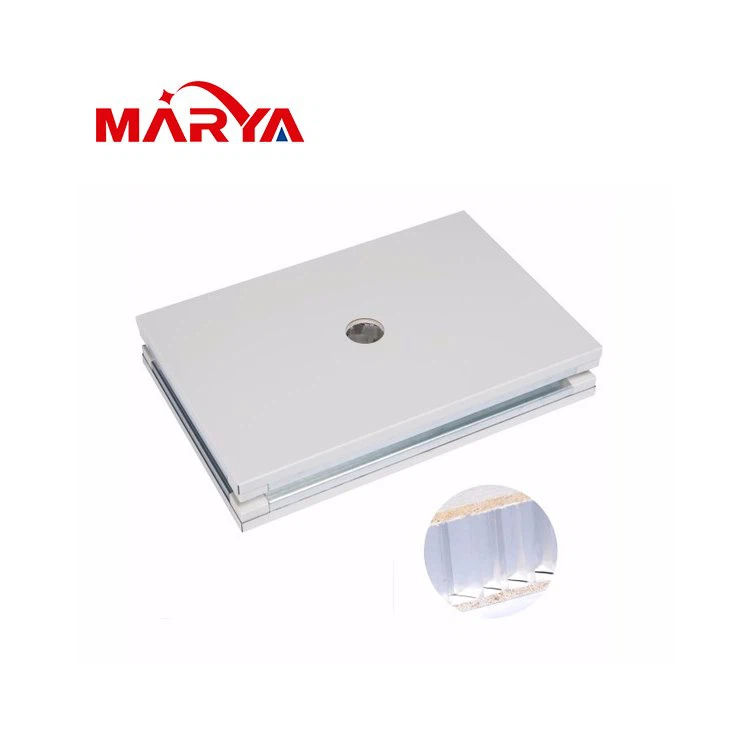
Another great option for walls and ceilings is the Clean Room Sandwich Panel. These panels have an insulating core between two outer layers. The insulation not only helps with temperature control but also reduces the chances of condensation. Condensation can be a big problem in clean rooms because it can create a breeding ground for mold and bacteria. And as we all know, mold and bacteria in the air can contaminate products and cause health issues for workers. So, by using clean room sandwich panels, we're keeping the air dry and free from these unwanted contaminants.
Now, let's move on to the doors. The Cleanroom Sliding Door is a game - changer when it comes to air quality. These doors are designed to fit tightly in their frames, which prevents air leakage. When a door doesn't seal properly, outside air can sneak into the clean room, bringing with it dust, pollen, and other pollutants. Cleanroom sliding doors are also made from materials that are easy to clean. You can wipe them down regularly to remove any particles that might have settled on the surface.
Filters are another essential part of a clean room's air quality system. The materials used in filters play a huge role in removing contaminants from the air. High - efficiency particulate air (HEPA) filters are commonly used in clean rooms. These filters are made from fine glass fibers that can trap particles as small as 0.3 microns. That's incredibly small! By using high - quality filter materials, we can ensure that the air circulating in the clean room is as pure as possible.
The flooring materials in a clean room also have a significant impact on air quality. Floors made from materials like vinyl or epoxy are popular choices. These materials are seamless, which means there are no cracks or crevices where dust and dirt can accumulate. They're also resistant to chemicals and easy to clean. Regular mopping and disinfection of the floor can keep the air free from particles that might be kicked up when people walk around.
But it's not just about the individual materials. The installation of these materials is also crucial. If clean room panels are not installed correctly, there could be gaps between them, allowing air leakage. Similarly, if filters are not properly installed or maintained, they won't work as effectively. That's why we always provide professional installation services to make sure that all the clean room materials work together to maintain the best possible air quality.
In addition to the physical materials, the way we use and maintain the clean room also affects air quality. For example, the frequency of air changes in the clean room is important. The air in a clean room should be changed multiple times per hour to remove any contaminants that might have entered the space. The ventilation system needs to be properly balanced to ensure that the air is evenly distributed throughout the room.
Now, let's talk about the long - term effects of using high - quality clean room materials on air quality. Over time, the right materials can save a lot of money. By preventing contamination, companies can avoid costly product recalls and rework. They can also reduce the risk of worker illnesses, which can lead to lower healthcare costs and increased productivity.
As a clean room material supplier, we're constantly looking for new and better materials to improve air quality in clean rooms. We stay up - to - date with the latest research and industry standards to make sure that we're providing the best products to our customers.
If you're in the market for clean room materials and want to improve the air quality in your clean room, we'd love to have a chat with you. Whether you're building a new clean room or renovating an existing one, we can help you choose the right materials for your specific needs. Contact us today to start the conversation about how we can work together to create a cleaner, healthier environment for your operations.
References
- ISO 14644 - 1:2015. Cleanrooms and associated controlled environments — Part 1: Classification of air cleanliness.
- National Institute for Occupational Safety and Health (NIOSH). Guidelines for Preventing Work - Related Musculoskeletal Disorders in Clean Rooms.
- ASHRAE Handbook - HVAC Applications. American Society of Heating, Refrigerating and Air - Conditioning Engineers.