

Can Cleanroom Trolleys Be Used in a Nuclear Cleanroom?
As a seasoned supplier of cleanroom trolleys, I've encountered numerous inquiries regarding the compatibility of our products with various cleanroom environments. One question that often surfaces is whether cleanroom trolleys can be used in a nuclear cleanroom. In this blog post, I'll delve into the intricacies of nuclear cleanrooms, the requirements for equipment within these spaces, and how our cleanroom trolleys can meet those demands.
Understanding Nuclear Cleanrooms
Nuclear cleanrooms are highly specialized environments designed to minimize contamination and ensure the safety of personnel and the integrity of nuclear materials. These cleanrooms are subject to strict regulations and standards to prevent the release of radioactive particles and maintain a controlled atmosphere. The primary functions of a nuclear cleanroom include handling radioactive materials, conducting nuclear research, and manufacturing nuclear components.
The cleanliness levels in nuclear cleanrooms are typically classified according to international standards such as ISO 14644. These standards define the maximum allowable concentration of airborne particles of a specified size in a given volume of air. For example, an ISO Class 5 cleanroom allows a maximum of 3,520 particles per cubic meter of air that are 0.5 micrometers or larger in size.
Requirements for Equipment in Nuclear Cleanrooms
Equipment used in nuclear cleanrooms must meet stringent requirements to ensure the safety and efficiency of operations. Some of the key requirements include:
- Radiation Resistance: The equipment must be able to withstand exposure to radiation without significant degradation of its physical or chemical properties. This includes resistance to radiation-induced embrittlement, corrosion, and changes in electrical conductivity.
- Contamination Control: The equipment must be designed to minimize the generation and release of particles and contaminants. This includes using materials that are low in outgassing and have smooth surfaces to prevent the accumulation of dust and debris.
- Ease of Decontamination: The equipment must be easy to clean and decontaminate to remove any radioactive particles or contaminants that may have adhered to its surface. This includes using materials that are resistant to chemical cleaning agents and have simple geometries that allow for thorough cleaning.
- Safety Features: The equipment must be equipped with safety features to prevent accidents and protect personnel from radiation exposure. This includes features such as interlocks, shielding, and warning systems.
Can Cleanroom Trolleys Meet the Requirements?
At our company, we understand the unique requirements of nuclear cleanrooms and have designed our cleanroom trolleys to meet these demands. Here's how our cleanroom trolleys can be used in a nuclear cleanroom:
- Radiation Resistance: Our cleanroom trolleys are constructed from materials that are highly resistant to radiation. We use stainless steel and other radiation-resistant alloys in the construction of our trolleys to ensure their long-term durability and performance in a nuclear environment.
- Contamination Control: Our cleanroom trolleys are designed to minimize the generation and release of particles and contaminants. We use smooth, non-porous surfaces and sealed joints to prevent the accumulation of dust and debris. Additionally, our trolleys are equipped with HEPA filters to remove any airborne particles that may be generated during operation.
- Ease of Decontamination: Our cleanroom trolleys are easy to clean and decontaminate. The smooth surfaces of our trolleys allow for easy wiping and cleaning, and the use of radiation-resistant materials ensures that the trolleys can withstand repeated exposure to chemical cleaning agents.
- Safety Features: Our cleanroom trolleys are equipped with a range of safety features to protect personnel from radiation exposure. These features include shielding materials, interlocks, and warning systems to prevent accidental exposure to radioactive materials.
Additional Considerations
In addition to the above requirements, there are several other factors to consider when using cleanroom trolleys in a nuclear cleanroom. These include:
- Compatibility with Other Equipment: The cleanroom trolleys must be compatible with other equipment used in the nuclear cleanroom. This includes ensuring that the trolleys can be easily integrated with other handling systems and that they do not interfere with the operation of other equipment.
- Training and Certification: Personnel who operate the cleanroom trolleys in a nuclear cleanroom must receive appropriate training and certification. This includes training on radiation safety, equipment operation, and decontamination procedures.
- Regular Maintenance and Inspection: The cleanroom trolleys must be regularly maintained and inspected to ensure their continued performance and safety. This includes checking for signs of wear and tear, radiation damage, and contamination.
Conclusion
In conclusion, cleanroom trolleys can be used in a nuclear cleanroom as long as they meet the stringent requirements for equipment in these environments. At our company, we are committed to providing high-quality cleanroom trolleys that are designed to meet the unique needs of nuclear cleanrooms. Our trolleys are constructed from radiation-resistant materials, are easy to clean and decontaminate, and are equipped with a range of safety features to protect personnel from radiation exposure.

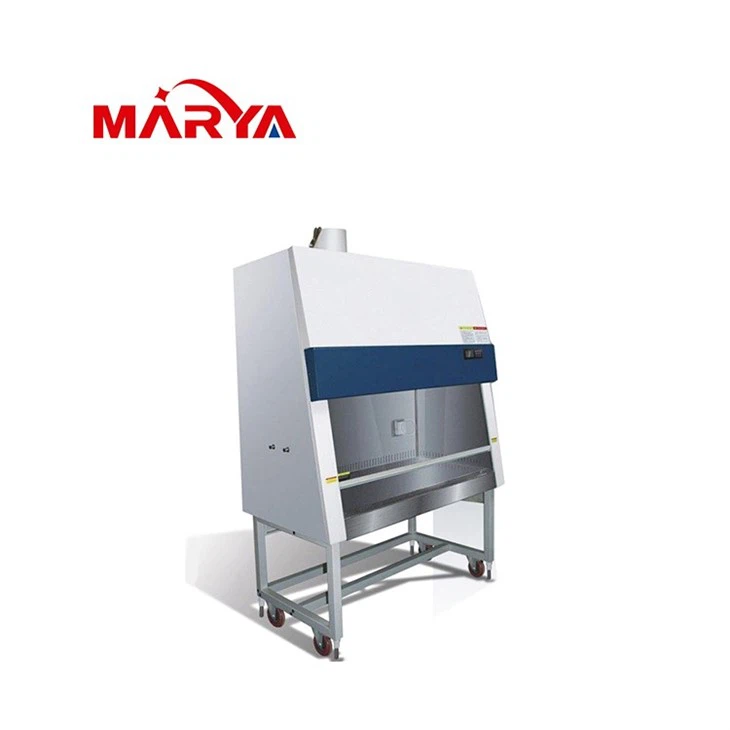
If you are interested in learning more about our cleanroom trolleys and how they can be used in a nuclear cleanroom, please contact us to discuss your specific requirements. We would be happy to provide you with more information and assist you in selecting the right cleanroom trolley for your application.
References
- ISO 14644-1:2015, Cleanrooms and associated controlled environments - Part 1: Classification of air cleanliness.
- Nuclear Regulatory Commission (NRC), Regulations for Nuclear Facilities.
- International Atomic Energy Agency (IAEA), Safety Standards for Nuclear Installations.