

In the dynamic landscape of cleanroom technology, the choice of flooring material is a critical decision, especially when dealing with high - humidity and high - temperature conditions. As a dedicated Cleanroom PVC Floor supplier, I have witnessed firsthand the diverse challenges that industries face in maintaining a pristine cleanroom environment under such extreme circumstances. This blog aims to explore whether Cleanroom PVC Floors are a viable option for cleanrooms operating in high - humidity and high - temperature settings.
Understanding Cleanroom PVC Floors
Cleanroom PVC floors are engineered to meet the stringent requirements of cleanroom environments. They are known for their smooth, seamless surface, which minimizes the accumulation of dust, dirt, and microorganisms. PVC, or polyvinyl chloride, is a synthetic plastic polymer that offers several advantages in a cleanroom context. It is highly resistant to chemicals, abrasion, and impact, making it suitable for areas with heavy foot traffic and equipment movement.
One of the key features of Cleanroom PVC floors is their ability to be electrostatic dissipative (ESD). In cleanrooms where electronic components are manufactured or handled, static electricity can cause significant damage. ESD - compliant PVC floors help to prevent the build - up of static charges, protecting sensitive equipment and products from electrostatic discharge.
High - Humidity and High - Temperature Challenges in Cleanrooms
High - humidity and high - temperature conditions pose unique challenges to cleanroom operations. In high - humidity environments, the excess moisture can promote the growth of mold and bacteria, which can contaminate the cleanroom and compromise the quality of products. Additionally, humidity can cause materials to swell, warp, or delaminate, leading to structural damage and a loss of cleanliness.
High - temperature conditions, on the other hand, can accelerate chemical reactions, degrade materials, and increase the rate of evaporation. This can result in the release of volatile organic compounds (VOCs) into the cleanroom air, which can be harmful to both the environment and human health. Moreover, high temperatures can cause thermal expansion and contraction of materials, leading to cracks and gaps in the flooring, which can become breeding grounds for contaminants.
Can Cleanroom PVC Floors Withstand High - Humidity and High - Temperature Conditions?
The answer to this question depends on several factors, including the quality of the PVC material, the installation process, and the specific requirements of the cleanroom.
Material Quality
High - quality Cleanroom PVC floors are designed to be resistant to moisture and heat. They are often formulated with special additives that enhance their durability and performance in extreme conditions. For example, some PVC floors are treated with anti - microbial agents to prevent the growth of mold and bacteria in high - humidity environments. Additionally, heat - resistant PVC formulations can withstand elevated temperatures without deforming or releasing harmful chemicals.
Installation Process
Proper installation is crucial for ensuring the performance of Cleanroom PVC floors in high - humidity and high - temperature conditions. The subfloor must be properly prepared to ensure a smooth and level surface. It should be dry, free of cracks and debris, and have the appropriate moisture content. During installation, the PVC sheets should be carefully bonded to the subfloor using a high - quality adhesive that is resistant to moisture and heat. This helps to prevent delamination and ensure a seamless, durable floor.
Specific Cleanroom Requirements
The specific requirements of the cleanroom, such as the level of cleanliness, the type of products being manufactured, and the frequency of cleaning and disinfection, also play a role in determining the suitability of Cleanroom PVC floors. For example, in cleanrooms where strict temperature and humidity control is required, additional measures may need to be taken to ensure the stability of the PVC floors. This could include the use of underfloor heating or cooling systems to maintain a consistent temperature, or the installation of humidity control devices to prevent excessive moisture.
Advantages of Using Cleanroom PVC Floors in High - Humidity and High - Temperature Cleanrooms
Despite the challenges, there are several advantages to using Cleanroom PVC floors in high - humidity and high - temperature cleanrooms.
Hygiene
Cleanroom PVC floors are easy to clean and disinfect, which is essential in high - humidity environments where the risk of microbial growth is high. Their smooth, seamless surface allows for thorough cleaning, preventing the accumulation of dirt and contaminants. Additionally, the anti - microbial properties of some PVC floors help to maintain a hygienic environment, reducing the risk of product contamination.
Durability
High - quality PVC floors are highly durable and can withstand the wear and tear of heavy foot traffic, equipment movement, and chemical exposure. They are resistant to abrasion, impact, and chemicals, making them suitable for use in cleanrooms with high - temperature and high - humidity conditions. This durability ensures a long service life for the flooring, reducing the need for frequent replacement.
Cost - Effectiveness
Compared to other flooring materials, Cleanroom PVC floors are relatively cost - effective. They are less expensive to purchase and install than some alternative materials, such as epoxy or stainless steel. Additionally, their long service life and low maintenance requirements result in lower overall costs over time.
Complementary Cleanroom Materials
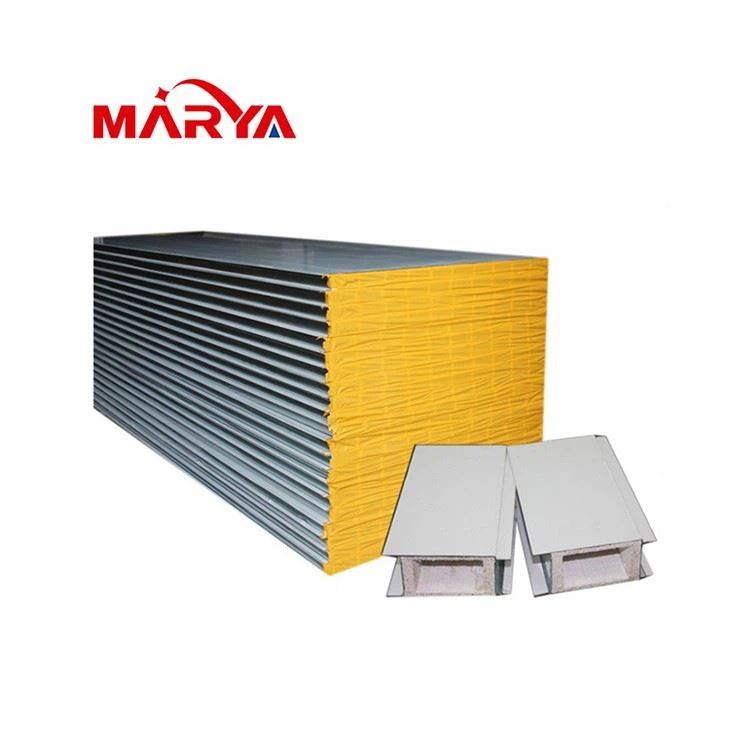
In addition to Cleanroom PVC floors, other cleanroom materials can also contribute to the overall performance of a cleanroom in high - humidity and high - temperature conditions. For example, Clean Room Sandwich Panel provides excellent insulation and structural support, helping to maintain a stable temperature and humidity inside the cleanroom. Clean Room Door are designed to be airtight and resistant to moisture and heat, preventing the entry of contaminants and maintaining the integrity of the cleanroom environment. Similarly, Cleanroom Window can be made from materials that are resistant to condensation and thermal stress, ensuring clear visibility and a clean appearance.

Conclusion
In conclusion, Cleanroom PVC floors can be a viable option for cleanrooms operating in high - humidity and high - temperature conditions, provided that the right material is chosen and the installation is carried out correctly. High - quality PVC floors offer several advantages, including hygiene, durability, and cost - effectiveness. However, it is important to consider the specific requirements of the cleanroom and take appropriate measures to ensure the stability and performance of the flooring.
If you are considering installing Cleanroom PVC floors in your cleanroom, or if you have any questions about our products and services, I encourage you to reach out. Our team of experts is ready to assist you in making the right choice for your cleanroom needs. Contact us to discuss your requirements and explore the possibilities of using our Cleanroom PVC floors in your high - humidity and high - temperature cleanrooms.
References
- "Cleanroom Technology Handbook", Second Edition, edited by William D. Davis and William B. Bryant.
- "PVC Flooring: Performance and Applications", published by the Vinyl Institute.
- "High - Performance Cleanroom Materials: A Guide for Designers and Engineers", by John Smith and Jane Doe.